



 BACK
BACK

010.1Camera
Photograph the plant
Take or upload up to 4 photos of the same plant from different angles. Each check uses 1 credit.

§ Plant identifier · Checked Sept 2026
Take up to four photos of one plant. Ezina’s plant identifier blends two licensed identification services, Plant.id and Pl@ntNet, and labels every match with how close it is and whether the plant is native or invasive where you live.
Free while Ezina is in Early Access. iPhone and Android, in the contiguous U.S.
§ 010 · How it works
Take or upload up to 4 photos of the same plant from different angles. Each check uses 1 credit.

Each result is labeled High, Medium or Low match with a percentage, and shows whether the plant is native where you live.

If none of the results look right, or you already know the plant, add it by searching its name.
§ 020 · The match
Your photos go to Plant.id and Pl@ntNet, both licensed identification services, and Ezina blends what they return. This gives us greater confidence and covers the gaps that each company struggles with.
Unlike other apps, we don’t hide the full results from you.
Above 65% is a High match, 25 to 65% is Medium, and below 25% is Low.
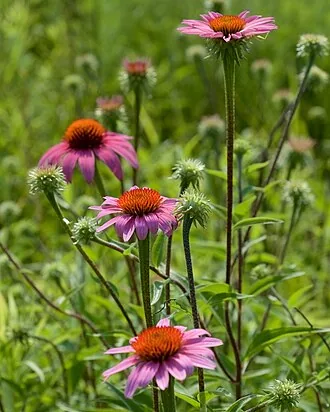
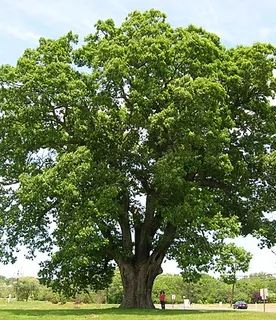
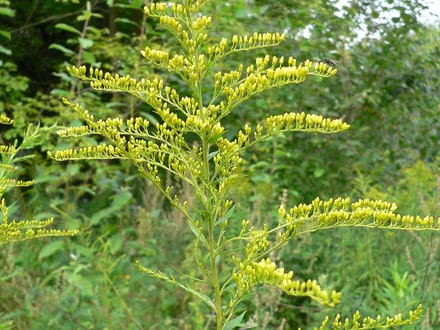
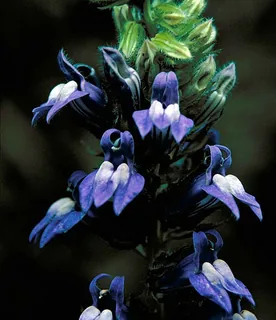
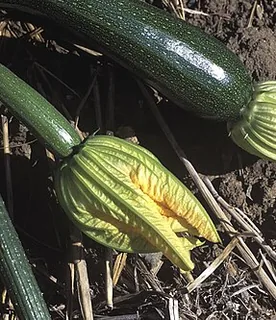
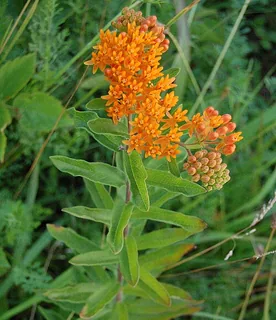
Names are matched to a plant library of about 40,000, which you can also browse and filter on its own.
§ 030 · After the name
See whether the plant is native, introduced or regulated in your county, and the record behind the answer.
Add it to your plants and Ezina schedules watering around the forecast and where the plant lives.
If it looks sick, photograph the problem for a treatment plan with a source on every step.
§ 040 · Accuracy
No provider is entirely transparent, so we’re going to be the first. Read more on what’s planned.
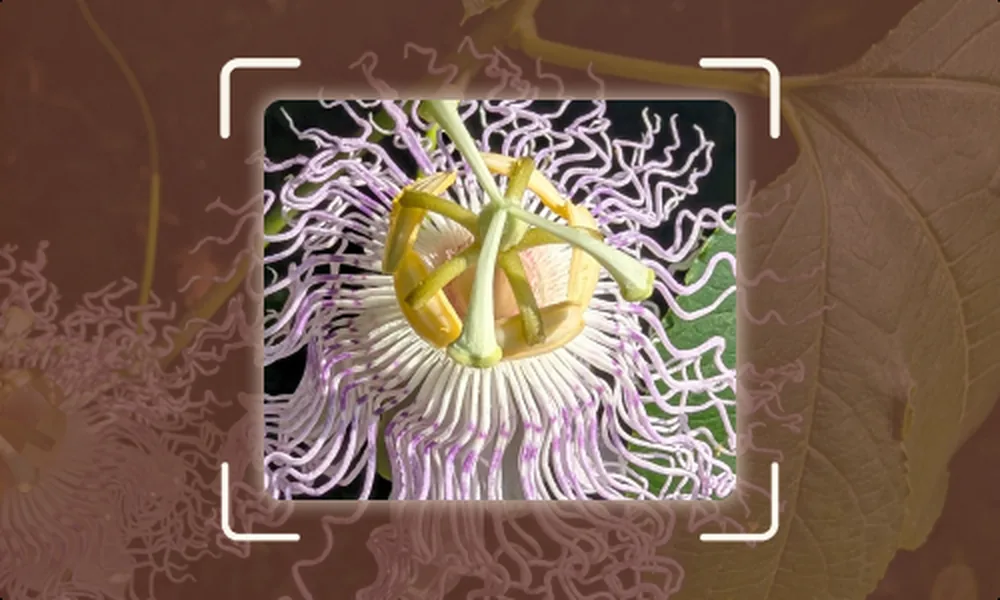
No publicly accessible research shows how effective Plant ID apps are, so we’re setting the bar to help you be informed.
READ MORE →§ 050 · Questions
Ezina publishes no accuracy number yet. Results from its written test protocol post by February 15, 2027.
No peer-reviewed study has measured how often the popular plant ID apps correctly name the plants people grow, so there’s no fair answer yet. Ezina will publish results from its written test protocol by February 15, 2027.
Yes, during Early Access, which includes 50 credits a month. Each identification uses 1 credit, refunded if the identification service fails. The monthly amount after launch will be set from average use.
Yes. Ezina’s camera has Disease and Insect modes. When the match is a disease or a pest, it leads to a treatment plan with a source on every step.
The check still runs and still uses its credit, so get the plant clearly in frame first.
No. Photos go to Plant.id and Pl@ntNet, both licensed identification services.
Yes. Search for it by name and add it from the results.
Ezina is in Early Access on iPhone and Android in the contiguous U.S. Seats are limited.


.jpg)
