Anchored Water Hyacinth – Eichhornia azurea Not recorded hereInvasive
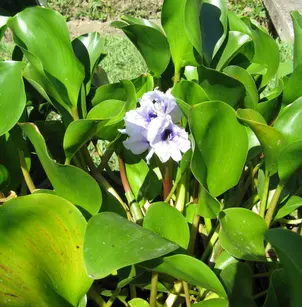
Invasive in the US, and recorded in no Louisiana county. Louisiana lists Anchored Water Hyacinth as a prohibited invasive noxious aquatic plant.

Louisiana (LA) regulates 27 invasive plants under La. Admin. Code tit. 76, Pt. VII, 1101. Louisiana's list is a trade restriction, which governs what may be sold, propagated, or moved within the state — in plain terms, which plants are illegal to sell here.
Louisiana restricts 27 plants, including Purple Loosestrife, Waterthyme and Eurasian Watermilfoil. Plants marked Prohibited may not be sold, propagated, or moved within Louisiana. 16 of the 27 are also flagged invasive by GRIIS, which is an ecological finding rather than a ruling by Louisiana. Checked against La. Admin. Code tit. 76, Pt. VII, 1101 on July 20, 2026.
Invasive in the US, and recorded in no Louisiana county. Louisiana lists Anchored Water Hyacinth as a prohibited invasive noxious aquatic plant.
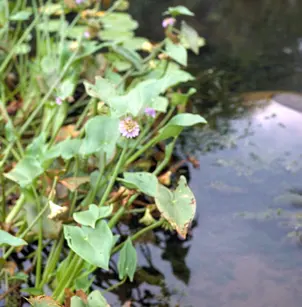
Recorded in no Louisiana county. Louisiana lists Arrowleaf Falsepickerelweed as a prohibited invasive noxious aquatic plant.
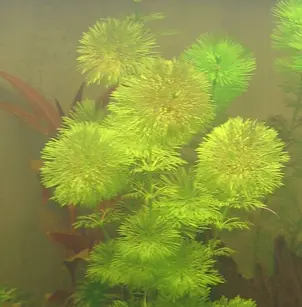
Invasive in the US, and recorded in no Louisiana county. Louisiana lists Asian Marshweed as a prohibited invasive noxious aquatic plant.
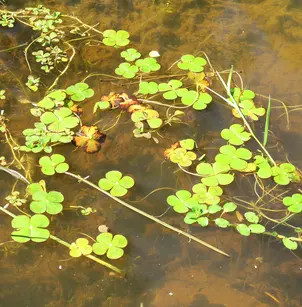
Recorded in no Louisiana county. Louisiana lists Australian Water-Clover as a prohibited invasive noxious aquatic plant.
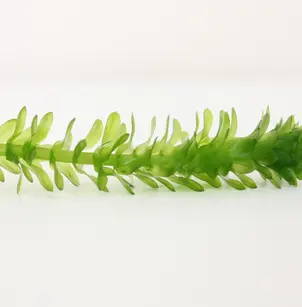
Invasive in the US, and recorded in 25 of Louisiana’s 64 counties. Louisiana lists Brazilian Waterweed as a prohibited invasive noxious aquatic plant.
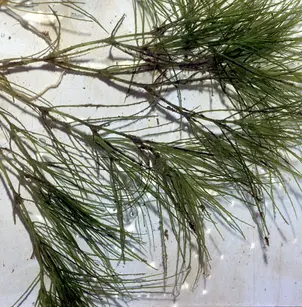
Invasive in the US, and recorded in 6 of Louisiana’s 64 counties. Louisiana lists Brittle Waternymph as a prohibited invasive noxious aquatic plant.
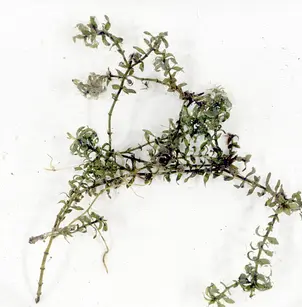
Recorded in no Louisiana county. Louisiana lists Canadian Waterweed as a prohibited invasive noxious aquatic plant.
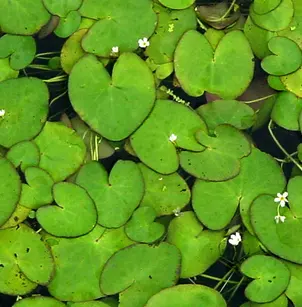
Recorded in no Louisiana county. Louisiana lists Crested Floatingheart as a prohibited invasive noxious aquatic plant.
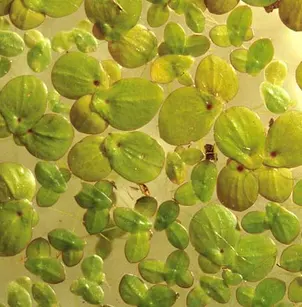
Recorded in 34 of Louisiana’s 64 counties. Louisiana lists Dotted Duckmeat as a prohibited invasive noxious aquatic plant.
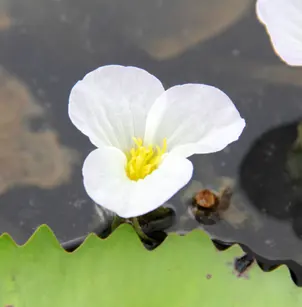
Invasive in the US, and recorded in 6 of Louisiana’s 64 counties. Louisiana lists Ducklettuce as a prohibited invasive noxious aquatic plant.
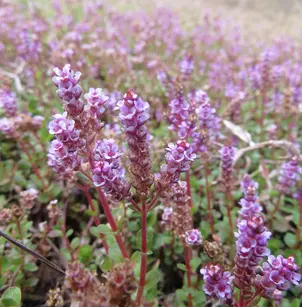
Recorded in no Louisiana county. Louisiana lists Dwarf Rotala as a prohibited invasive noxious aquatic plant.
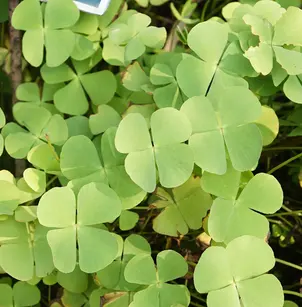
Invasive in the US, and recorded in no Louisiana county. Louisiana lists Dwarf Waterclover as a prohibited invasive noxious aquatic plant.
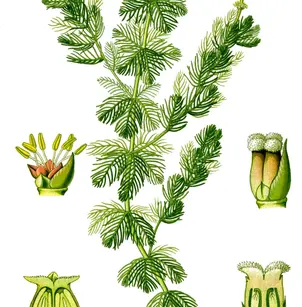
Invasive in the US, and recorded in 21 of Louisiana’s 64 counties. Louisiana lists Eurasian Watermilfoil as a prohibited invasive noxious aquatic plant.
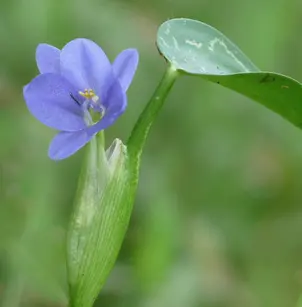
Recorded in no Louisiana county. Louisiana lists Heartshape False Pickerelweed as a prohibited invasive noxious aquatic plant.
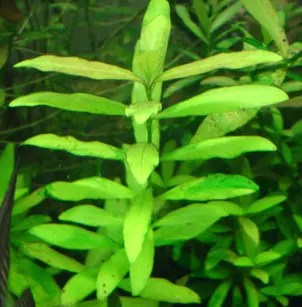
Invasive in the US, and recorded in no Louisiana county. Louisiana lists Indian Swampweed as a prohibited invasive noxious aquatic plant.
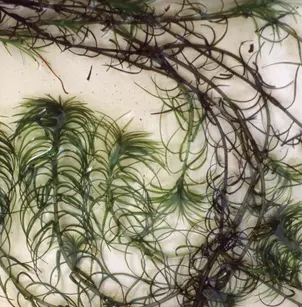
Recorded in no Louisiana county. Louisiana lists Oxygen-Weed as a prohibited invasive noxious aquatic plant.
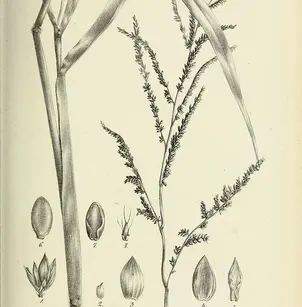
Invasive in the US, and recorded in no Louisiana county. Louisiana lists Para Grass as a prohibited invasive noxious aquatic plant.
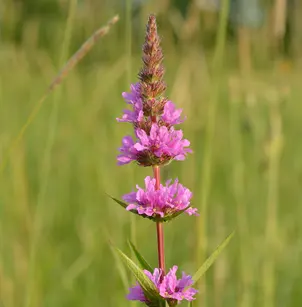
Invasive in the US, and recorded in no Louisiana county. Louisiana lists Purple Loosestrife as a prohibited invasive noxious aquatic plant.
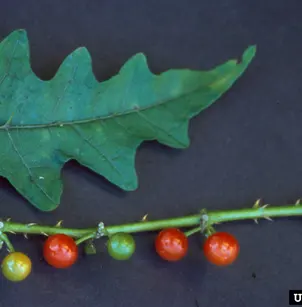
Invasive in the US, and recorded in no Louisiana county. Louisiana lists Scrambling Nightshade as a prohibited invasive noxious aquatic plant.
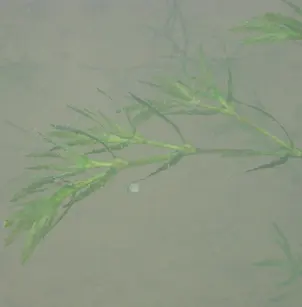
Recorded in no Louisiana county. Louisiana lists Spiny Naiad as a prohibited invasive noxious aquatic plant.
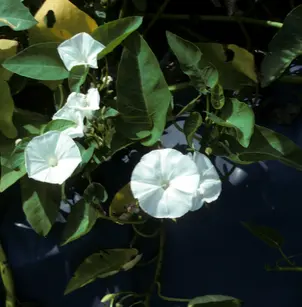
Invasive in the US, and recorded in no Louisiana county. Louisiana lists Swamp Morning-Glory as a prohibited invasive noxious aquatic plant.
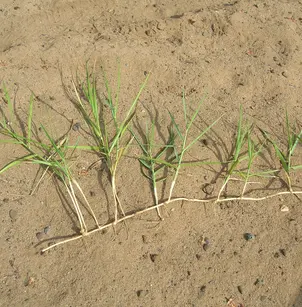
Invasive in the US, and recorded in 24 of Louisiana’s 64 counties. Louisiana lists Torpedo Grass as a prohibited invasive noxious aquatic plant.
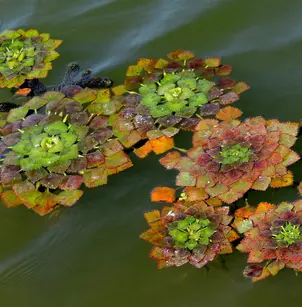
Invasive in the US, and recorded in no Louisiana county. Louisiana lists Water Chestnut as a prohibited invasive noxious aquatic plant.
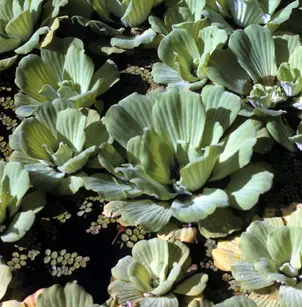
Recorded in 23 of Louisiana’s 64 counties. Louisiana lists Water Lettuce as a prohibited invasive noxious aquatic plant.
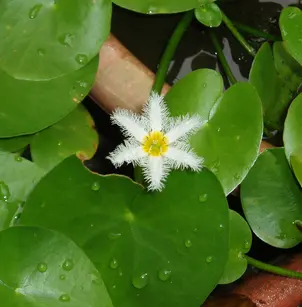
Recorded in no Louisiana county. Louisiana lists Water Snowflake as a prohibited invasive noxious aquatic plant.
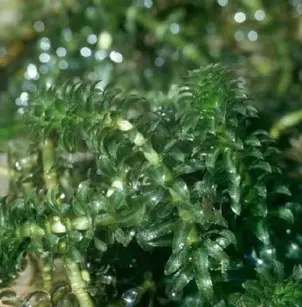
Invasive in the US, and recorded in 12 of Louisiana’s 64 counties. Louisiana lists Waterthyme as a prohibited invasive noxious aquatic plant.
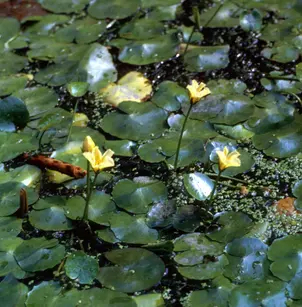
Invasive in the US, and recorded in no Louisiana county. Louisiana lists Yellow Floatingheart as a prohibited invasive noxious aquatic plant.
No plant on Louisiana’s list matches that.
4 of these plants are native to part of the United States, marked US native above. Nativity is regional. Black locust is native to the Appalachians and regulated in New England; Palmer amaranth is native to the Southwest and listed as an agricultural weed in the Corn Belt. A listing tells you what Louisiana regulates, not where a plant belongs. The county checker answers the second question.
Want to check a plant by photo or county?
Use our “Is it native” tool for free.Compiled from the rule itself, retrieved July 20, 2026. Law changes; if you spot a listing we have wrong or stale, tell us at [email protected].
| Plant | Scientific name | Status | Plant instead |
|---|---|---|---|
| Anchored Water Hyacinth | Eichhornia azurea | ProhibitedInvasiveLouisiana says “prohibited invasive noxious aquatic plant” | — |
| Arrowleaf Falsepickerelweed | Monochoria hastata | ProhibitedLouisiana says “prohibited invasive noxious aquatic plant” | — |
| Asian Marshweed | Limnophila sessiliflora | ProhibitedInvasiveLouisiana says “prohibited invasive noxious aquatic plant” | — |
| Australian Water-Clover | Marsilea mutica | ProhibitedLouisiana says “prohibited invasive noxious aquatic plant” | — |
| Brazilian Waterweed | Egeria densa | ProhibitedInvasiveLouisiana says “prohibited invasive noxious aquatic plant” | — |
| Brittle Waternymph | Najas minor | ProhibitedInvasiveLouisiana says “prohibited invasive noxious aquatic plant” | — |
| Canadian Waterweed US native | Elodea canadensis | ProhibitedLouisiana says “prohibited invasive noxious aquatic plant” | — |
| Crested Floatingheart | Nymphoides cristata | ProhibitedLouisiana says “prohibited invasive noxious aquatic plant” | — |
| Dotted Duckmeat US native | Landoltia punctata | ProhibitedLouisiana says “prohibited invasive noxious aquatic plant” | — |
| Ducklettuce | Ottelia alismoides | ProhibitedInvasiveLouisiana says “prohibited invasive noxious aquatic plant” | — |
| Dwarf Rotala | Rotala rotundifolia | ProhibitedLouisiana says “prohibited invasive noxious aquatic plant” | — |
| Dwarf Waterclover | Marsilea minuta | ProhibitedInvasiveLouisiana says “prohibited invasive noxious aquatic plant” | — |
| Eurasian Watermilfoil | Myriophyllum spicatum | ProhibitedInvasiveLouisiana says “prohibited invasive noxious aquatic plant” | — |
| Heartshape False Pickerelweed | Monochoria vaginalis | ProhibitedLouisiana says “prohibited invasive noxious aquatic plant” | — |
| Indian Swampweed | Hygrophila polysperma | ProhibitedInvasiveLouisiana says “prohibited invasive noxious aquatic plant” | — |
| Oxygen-Weed | Lagarosiphon major | ProhibitedLouisiana says “prohibited invasive noxious aquatic plant” | — |
| Para Grass | Urochloa mutica | ProhibitedInvasiveLouisiana says “prohibited invasive noxious aquatic plant” | — |
| Purple Loosestrife | Lythrum salicaria | ProhibitedInvasiveLouisiana says “prohibited invasive noxious aquatic plant” | Wand Lythrum, Comfortroot, Missouri Ironweed |
| Scrambling Nightshade | Solanum tampicense | ProhibitedInvasiveLouisiana says “prohibited invasive noxious aquatic plant” | — |
| Spiny Naiad US native | Najas marina | ProhibitedLouisiana says “prohibited invasive noxious aquatic plant” | — |
| Swamp Morning-Glory | Ipomoea aquatica | ProhibitedInvasiveLouisiana says “prohibited invasive noxious aquatic plant” | — |
| Torpedo Grass | Panicum repens | ProhibitedInvasiveLouisiana says “prohibited invasive noxious aquatic plant” | — |
| Water Chestnut | Trapa natans | ProhibitedInvasiveLouisiana says “prohibited invasive noxious aquatic plant” | — |
| Water Lettuce US native | Pistia stratiotes | ProhibitedLouisiana says “prohibited invasive noxious aquatic plant” | — |
| Water Snowflake | Nymphoides indica | ProhibitedLouisiana says “prohibited invasive noxious aquatic plant” | — |
| Waterthyme | Hydrilla verticillata | ProhibitedInvasiveLouisiana says “prohibited invasive noxious aquatic plant” | — |
| Yellow Floatingheart | Nymphoides peltata | ProhibitedInvasiveLouisiana says “prohibited invasive noxious aquatic plant” | — |
Where this comes from
Plants that two or more states bordering Louisiana regulate, and Louisiana does not. A listing is a legal act rather than an ecological one, so a plant can be a documented problem here and still be sold here.
Yes. La. Admin. Code tit. 76, Pt. VII, 1101 is Louisiana's list, naming 27 plants under a trade restriction, which governs what may be sold, propagated, or moved within the state — in plain terms, which plants are illegal to sell here. GRIIS, the Global Register of Introduced and Invasive Species, flags 16 of these 27 as invasive in the lower 48 states. That is an ecological finding, not a ruling by Louisiana. This page shows both side by side.
2 of the 27 plants on Louisiana's list are vines, by USDA PLANTS growth habit: Scrambling Nightshade (Solanum tampicense), Swamp Morning-Glory (Ipomoea aquatica).
27 plants are regulated under La. Admin. Code tit. 76, Pt. VII, 1101. Plants marked Prohibited may not be sold, propagated, or moved within Louisiana. Plants marked Restricted carry narrower limits set by the rule.
Search the table on this page for Louisiana's legal determination, then look for the Invasive chip beside it, which is a separate ecological finding from GRIIS rather than a ruling by Louisiana. A plant can carry one, both, or neither. For an address-level answer, enter the plant's name in Ezina's checker to get its Louisiana status alongside whether USDA records it as native to your specific county. Every answer links the record it came from.
For the plants marked Prohibited, La. Admin. Code tit. 76, Pt. VII, 1101 bars selling, propagating, or moving them within Louisiana. Whether planting one you already own is itself an offence depends on that rule's exact wording, which is why every plant on this page links the citation rather than us paraphrasing it. Plants marked Restricted carry narrower limits the rule sets out.
No. This page reproduces what Louisiana regulates, and a state list is a legal instrument rather than an ecological verdict. Plenty of plants spread aggressively without ever being listed, and states add species years after the problem is documented.
Grow natives easily with Ezina
We provide the tools you need to succeed.

Snap a photo or type the name. Ezina matches it to a library of about 40,000 species and starts a care plan tailored to your zone, the local weather, and the time of year.

One calendar for the whole garden: when to sow, transplant, treat and harvest, worked out for where you live. Watering shows up on it too, only on the days a plant actually needs it.

Our garden planner Dig helps you understand what works best for your location and makes suggestions based off your long term goals.
Snap a photo or type the name. Ezina matches it to a library of about 40,000 species and starts a care plan tailored to your zone, the local weather, and the time of year.
One calendar for the whole garden: when to sow, transplant, treat and harvest, worked out for where you live. Watering shows up on it too, only on the days a plant actually needs it.
Our garden planner Dig helps you understand what works best for your location and makes suggestions based off your long term goals.
Compiled from peer-reviewed research, USDA documentation,
and direct scientific observation across the United States.
Thank you for signing up!
Confirmation is heading to your inbox now. If you don’t receive it in the next 15 minutes contact us at [email protected]

