Blood Grass – Imperata cylindrica IntroducedInvasive
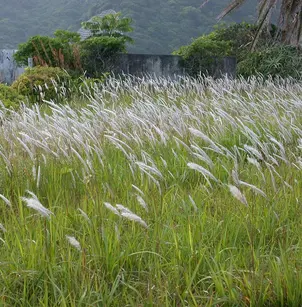
Invasive in the US, and recorded in 33 of Mississippi’s 82 counties. Mississippi lists Blood Grass as a noxious weed.

Mississippi (MS) lists 10 plants as noxious weeds under Miss. Admin. Code Title 2, Pt. 1, Subpt. 3, Ch. 01, R. 136.01. Mississippi's list is an agricultural noxious-weed law, which governs control and spread on farmland and rights of way rather than what a nursery may sell.
Mississippi names 10 plants, including Waterthyme, Kariba-Weed and Kudzu. A noxious-weed listing obliges control and limits movement; it does not by itself ban nursery sale. 9 of the 10 are also flagged invasive by GRIIS, which is an ecological finding rather than a ruling by Mississippi. Checked against Miss. Admin. Code Title 2, Pt. 1, Subpt. 3, Ch. 01, R. 136.01 on July 20, 2026.
Invasive in the US, and recorded in 33 of Mississippi’s 82 counties. Mississippi lists Blood Grass as a noxious weed.
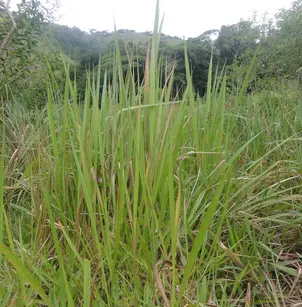
Recorded in 1 of Mississippi’s 82 counties. Mississippi lists Brazilian Satintail as a noxious weed.
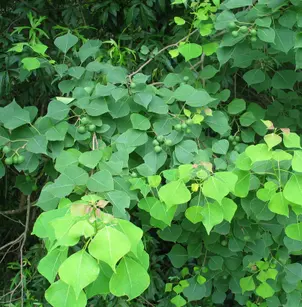
Invasive in the US, and recorded in 15 of Mississippi’s 82 counties. Mississippi lists Chinese Tallow Tree as a noxious weed.
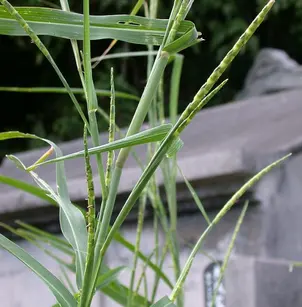
Invasive in the US, and recorded in no Mississippi county. Mississippi lists Itchgrass as a noxious weed.
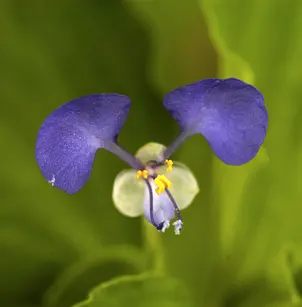
Invasive in the US, and recorded in no Mississippi county. Mississippi lists Jio as a noxious weed.
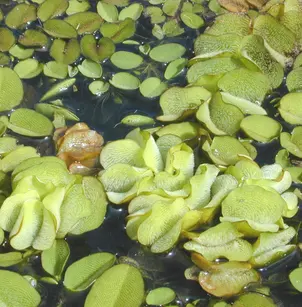
Invasive in the US, and recorded in 2 of Mississippi’s 82 counties. Mississippi lists Kariba-Weed as a noxious weed.
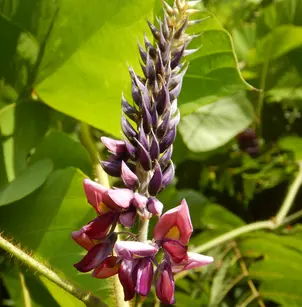
Invasive in the US, and recorded in 19 of Mississippi’s 82 counties. Mississippi lists Kudzu as a noxious weed.
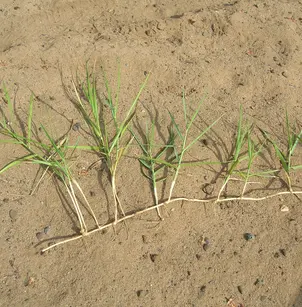
Invasive in the US, and recorded in 5 of Mississippi’s 82 counties. Mississippi lists Torpedo Grass as a noxious weed.
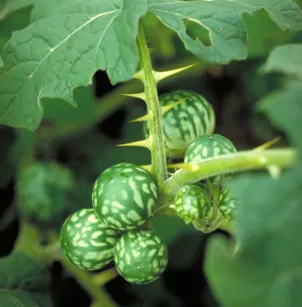
Invasive in the US, and recorded in 4 of Mississippi’s 82 counties. Mississippi lists Tropical Soda Apple as a noxious weed.
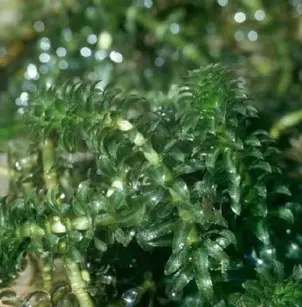
Invasive in the US, and recorded in 1 of Mississippi’s 82 counties. Mississippi lists Waterthyme as a noxious weed.
No plant on Mississippi’s list matches that.
Want to check a plant by photo or county?
Use our “Is it native” tool for free.Compiled from the rule itself, retrieved July 20, 2026. Law changes; if you spot a listing we have wrong or stale, tell us at [email protected].
| Plant | Scientific name | Status | Plant instead |
|---|---|---|---|
| Blood Grass | Imperata cylindrica | ProhibitedInvasiveMississippi says “noxious weed” | Purple Love Grass, Manyspike Flatsedge, Manyflower Flatsedge |
| Brazilian Satintail | Imperata brasiliensis | ProhibitedMississippi says “noxious weed” | — |
| Chinese Tallow Tree | Triadica sebifera (Sapium sebiferum) | ProhibitedInvasiveMississippi says “noxious weed” | — |
| Itchgrass | Rottboellia cochinchinensis | ProhibitedInvasiveMississippi says “noxious weed” | — |
| Jio | Commelina benghalensis | ProhibitedInvasiveMississippi says “noxious weed” | — |
| Kariba-Weed | Salvinia molesta | ProhibitedInvasiveMississippi says “noxious weed” | — |
| Kudzu | Pueraria montana | ProhibitedInvasiveMississippi says “noxious weed” | Trumpet Honeysuckle, Spanish Moss, Muscadine |
| Torpedo Grass | Panicum repens | ProhibitedInvasiveMississippi says “noxious weed” | — |
| Tropical Soda Apple | Solanum viarum | ProhibitedInvasiveMississippi says “noxious weed” | — |
| Waterthyme | Hydrilla verticillata | ProhibitedInvasiveMississippi says “noxious weed” | — |
Where this comes from
Plants that two or more states bordering Mississippi regulate, and Mississippi does not. A listing is a legal act rather than an ecological one, so a plant can be a documented problem here and still be sold here.
Not under that name. Mississippi's legal list is a noxious-weed list: 10 plants named under Miss. Admin. Code Title 2, Pt. 1, Subpt. 3, Ch. 01, R. 136.01, an agricultural noxious-weed law, which governs control and spread on farmland and rights of way rather than what a nursery may sell. GRIIS, the Global Register of Introduced and Invasive Species, flags 9 of these 10 as invasive in the lower 48 states. That is an ecological finding, not a ruling by Mississippi. This page shows both side by side.
1 of the 10 plant on Mississippi's list is a vine, by USDA PLANTS growth habit: Kudzu (Pueraria montana).
Mississippi's list is an agricultural noxious-weed law, which governs control and spread on farmland and rights of way rather than what a nursery may sell. 10 plants are named under Miss. Admin. Code Title 2, Pt. 1, Subpt. 3, Ch. 01, R. 136.01. A noxious-weed listing does not automatically ban nursery sale, so check the rule itself before assuming a plant cannot be bought or sold.
Search the table on this page for Mississippi's legal determination, then look for the Invasive chip beside it, which is a separate ecological finding from GRIIS rather than a ruling by Mississippi. A plant can carry one, both, or neither. For an address-level answer, enter the plant's name in Ezina's checker to get its Mississippi status alongside whether USDA records it as native to your specific county. Every answer links the record it came from.
Not necessarily, and the distinction matters. Mississippi's list is an agricultural noxious-weed law: it obliges landowners to control these plants and restricts moving them, rather than making the act of planting one an offence in itself. Miss. Admin. Code Title 2, Pt. 1, Subpt. 3, Ch. 01, R. 136.01 is the text that says what is actually required of you, and it is linked beside every plant here.
No. This page reproduces what Mississippi regulates, and a state list is a legal instrument rather than an ecological verdict. Plenty of plants spread aggressively without ever being listed, and states add species years after the problem is documented.
Grow natives easily with Ezina
We provide the tools you need to succeed.

Snap a photo or type the name. Ezina matches it to a library of about 40,000 species and starts a care plan tailored to your zone, the local weather, and the time of year.

One calendar for the whole garden: when to sow, transplant, treat and harvest, worked out for where you live. Watering shows up on it too, only on the days a plant actually needs it.

Our garden planner Dig helps you understand what works best for your location and makes suggestions based off your long term goals.
Snap a photo or type the name. Ezina matches it to a library of about 40,000 species and starts a care plan tailored to your zone, the local weather, and the time of year.
One calendar for the whole garden: when to sow, transplant, treat and harvest, worked out for where you live. Watering shows up on it too, only on the days a plant actually needs it.
Our garden planner Dig helps you understand what works best for your location and makes suggestions based off your long term goals.
Compiled from peer-reviewed research, USDA documentation,
and direct scientific observation across the United States.
Thank you for signing up!
Confirmation is heading to your inbox now. If you don’t receive it in the next 15 minutes contact us at [email protected]

