Amur Honeysuckle – Lonicera maackii Not recorded hereInvasive
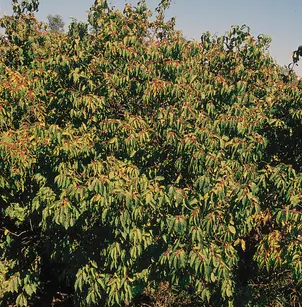
Invasive in the US, and recorded in no Connecticut county. Connecticut lists Amur Honeysuckle as a prohibited invasive plant.

Connecticut (CT) regulates 60 invasive plants under Conn. Gen. Stat. 22a-381d (as amended by P.A. 24-11). Connecticut's list is a trade restriction, which governs what may be sold, propagated, or moved within the state — in plain terms, which plants are illegal to sell here.
Connecticut restricts 60 plants, including Canada Thistle, Leafy Spurge and Waterthyme. Plants marked Prohibited may not be sold, propagated, or moved within Connecticut. 53 of the 60 are also flagged invasive by GRIIS, which is an ecological finding rather than a ruling by Connecticut. Checked against Conn. Gen. Stat. 22a-381d (as amended by P.A. 24-11) on July 20, 2026.
Invasive in the US, and recorded in no Connecticut county. Connecticut lists Amur Honeysuckle as a prohibited invasive plant.
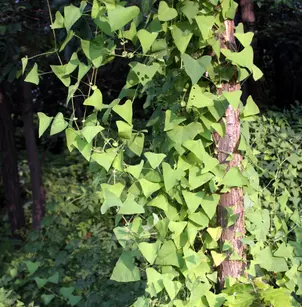
Invasive in the US, and recorded in no Connecticut county. Connecticut lists Asiatic Tearthumb as a prohibited invasive plant.
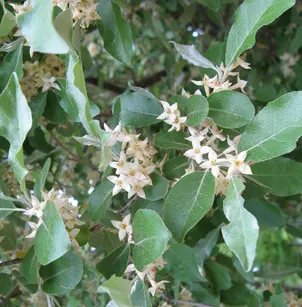
Invasive in the US, and recorded in no Connecticut county. Connecticut lists Autumn Olive as a prohibited invasive plant.
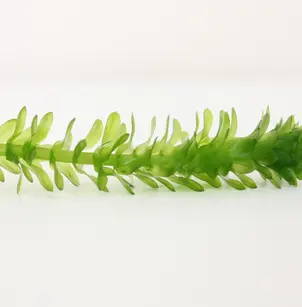
Invasive in the US, and recorded in no Connecticut county. Connecticut lists Brazilian Waterweed as a prohibited invasive plant.
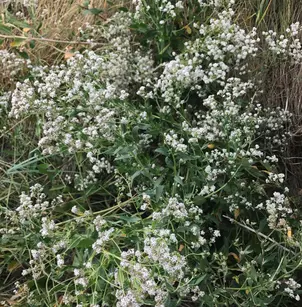
Invasive in the US, and recorded in no Connecticut county. Connecticut lists Broadleaved Pepperweed as a prohibited invasive plant.
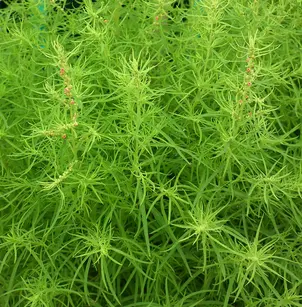
Invasive in the US, and recorded in no Connecticut county. Connecticut lists Burningbush as a prohibited invasive plant.
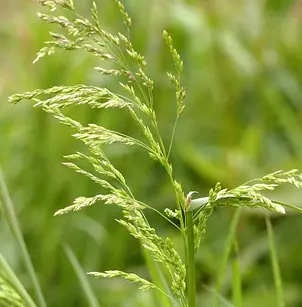
Invasive in the US, and recorded in no Connecticut county. Connecticut lists Canada Bluegrass as a prohibited invasive plant.
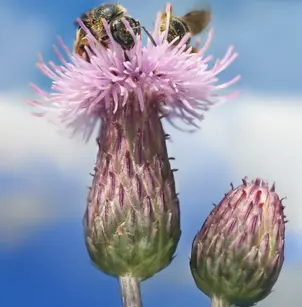
Invasive in the US, and recorded in no Connecticut county. Connecticut lists Canada Thistle as a prohibited invasive plant.
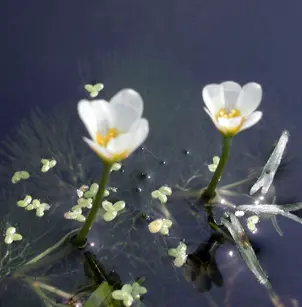
Recorded in no Connecticut county. Connecticut lists Carolina Fanwort as a prohibited invasive plant.
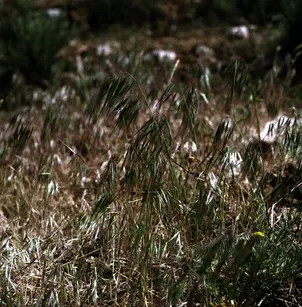
Invasive in the US, and recorded in no Connecticut county. Connecticut lists Cheatgrass as a prohibited invasive plant.
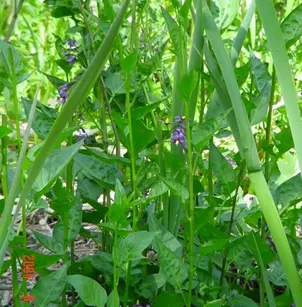
Invasive in the US, and recorded in no Connecticut county. Connecticut lists Climbing Nightshade as a prohibited invasive plant.
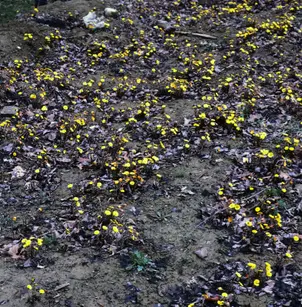
Invasive in the US, and recorded in no Connecticut county. Connecticut lists Coltsfoot as a prohibited invasive plant.
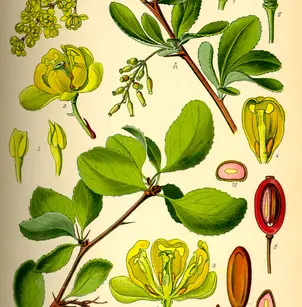
Invasive in the US, and recorded in no Connecticut county. Connecticut lists Common Barberry as a prohibited invasive plant.
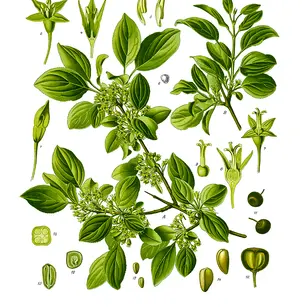
Invasive in the US, and recorded in no Connecticut county. Connecticut lists Common Buckthorn as a prohibited invasive plant.
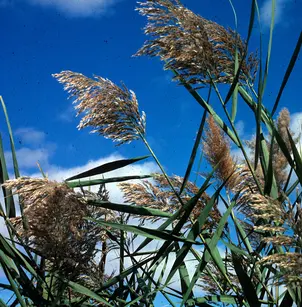
Recorded in no Connecticut county. Connecticut lists Common Reed as a prohibited invasive plant.
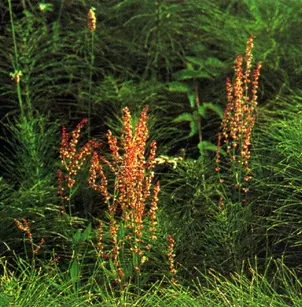
Invasive in the US, and recorded in no Connecticut county. Connecticut lists Common Sheep Sorrel as a prohibited invasive plant.
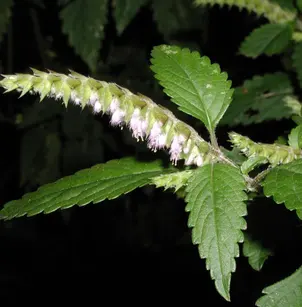
Invasive in the US, and recorded in no Connecticut county. Connecticut lists Crested Latesummer Mint as a prohibited invasive plant.
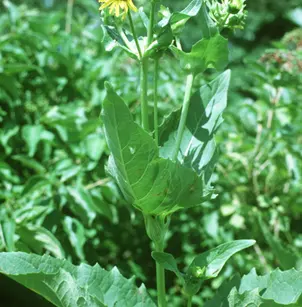
Recorded in no Connecticut county. Connecticut lists Cup Plant as a prohibited invasive plant.
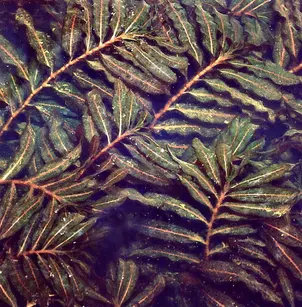
Invasive in the US, and recorded in no Connecticut county. Connecticut lists Curly Pondweed as a prohibited invasive plant.
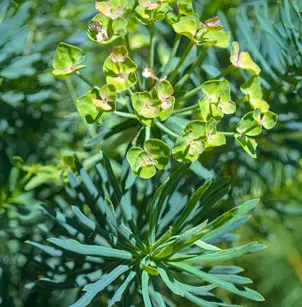
Invasive in the US, and recorded in no Connecticut county. Connecticut lists Cypress Spurge as a prohibited invasive plant.
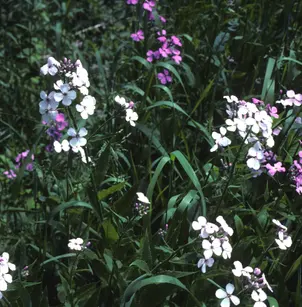
Invasive in the US, and recorded in no Connecticut county. Connecticut lists Dames Rocket as a prohibited invasive plant.
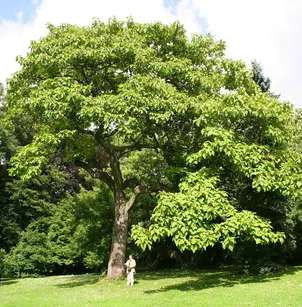
Invasive in the US, and recorded in no Connecticut county. Connecticut lists Empress Tree as a prohibited invasive plant.
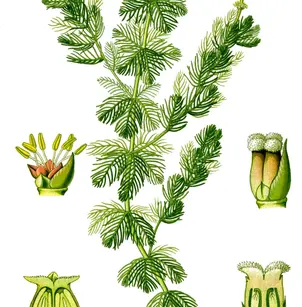
Invasive in the US, and recorded in no Connecticut county. Connecticut lists Eurasian Watermilfoil as a prohibited invasive plant.
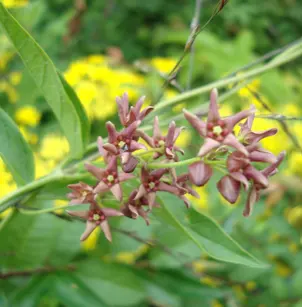
Invasive in the US, and recorded in no Connecticut county. Connecticut lists European Swallow-Wort as a prohibited invasive plant.
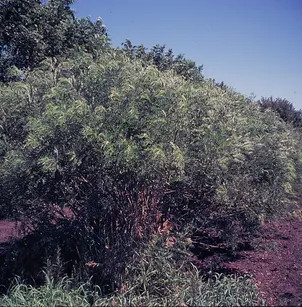
Recorded in no Connecticut county. Connecticut lists False Indigobush as a prohibited invasive plant.
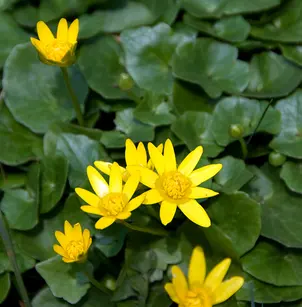
Invasive in the US, and recorded in no Connecticut county. Connecticut lists Fig Buttercup as a prohibited invasive plant.
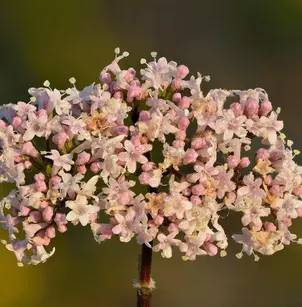
Invasive in the US, and recorded in no Connecticut county. Connecticut lists Garden Valerian as a prohibited invasive plant.
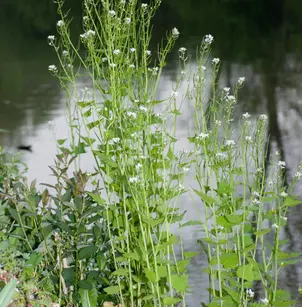
Invasive in the US, and recorded in no Connecticut county. Connecticut lists Garlic Mustard as a prohibited invasive plant.
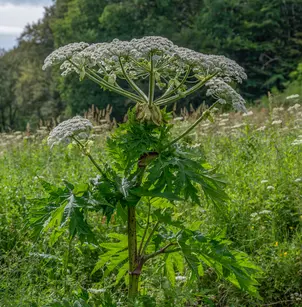
Invasive in the US, and recorded in no Connecticut county. Connecticut lists Giant Hogweed as a prohibited invasive plant.
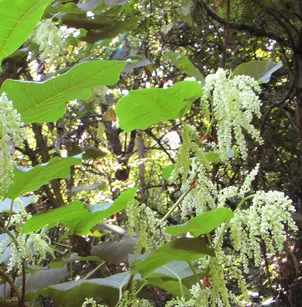
Invasive in the US, and recorded in no Connecticut county. Connecticut lists Giant Knotweed as a prohibited invasive plant.
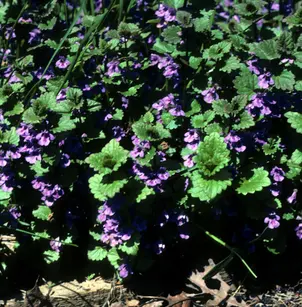
Invasive in the US, and recorded in no Connecticut county. Connecticut lists Ground Ivy as a prohibited invasive plant.
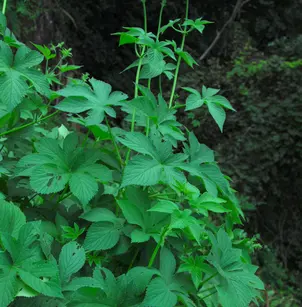
Invasive in the US, and recorded in no Connecticut county. Connecticut lists Japanese Hop as a prohibited invasive plant.
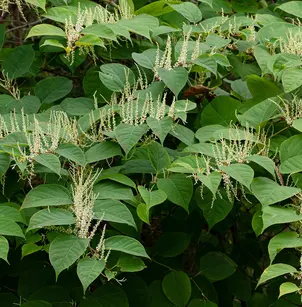
Recorded in no Connecticut county. Connecticut lists Japanese Knotweed as a prohibited invasive plant.
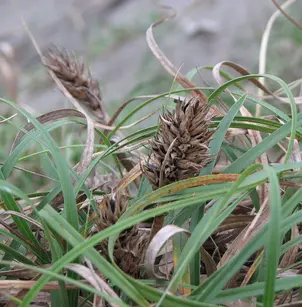
Invasive in the US, and recorded in no Connecticut county. Connecticut lists Japanese Sedge as a prohibited invasive plant.
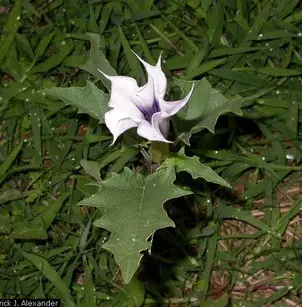
Invasive in the US, and recorded in no Connecticut county. Connecticut lists Jimsonweed as a prohibited invasive plant.
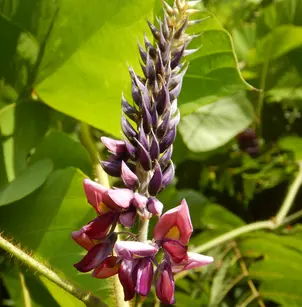
Invasive in the US, and recorded in no Connecticut county. Connecticut lists Kudzu as a prohibited invasive plant.
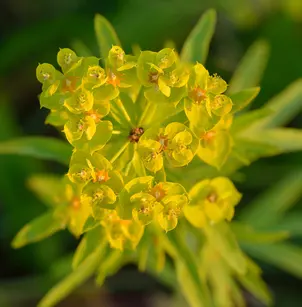
Invasive in the US, and recorded in no Connecticut county. Connecticut lists Leafy Spurge as a prohibited invasive plant.
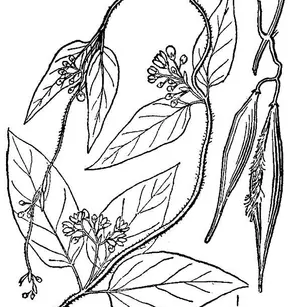
Invasive in the US, and recorded in no Connecticut county. Connecticut lists Louise's Swallow-Wort as a prohibited invasive plant.
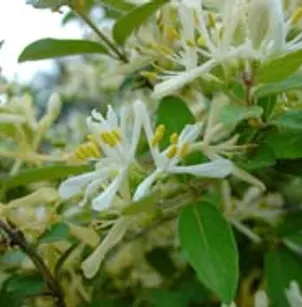
Invasive in the US, and recorded in no Connecticut county. Connecticut lists Morrow's Honeysuckle as a prohibited invasive plant.
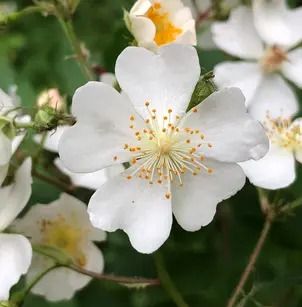
Invasive in the US, and recorded in no Connecticut county. Connecticut lists Multiflora Rose as a prohibited invasive plant.
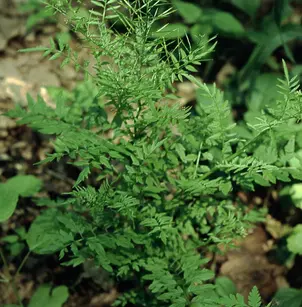
Invasive in the US, and recorded in no Connecticut county. Connecticut lists Narrowleaf Bittercress as a prohibited invasive plant.
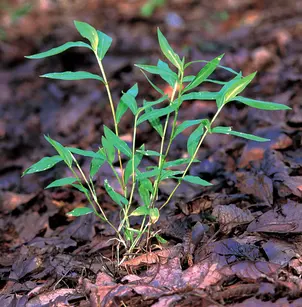
Invasive in the US, and recorded in no Connecticut county. Connecticut lists Nepalese Browntop as a prohibited invasive plant.
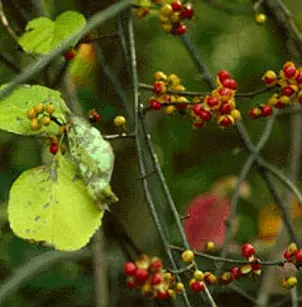
Invasive in the US, and recorded in no Connecticut county. Connecticut lists Oriental Bittersweet as a prohibited invasive plant.
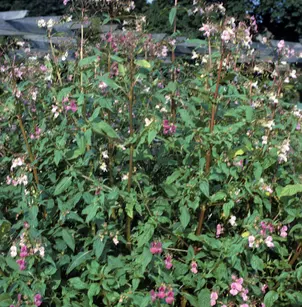
Invasive in the US, and recorded in no Connecticut county. Connecticut lists Ornamental Jewelweed as a prohibited invasive plant.
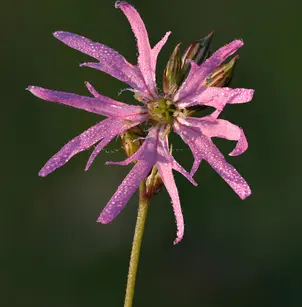
Invasive in the US, and recorded in no Connecticut county. Connecticut lists Ragged Robin as a prohibited invasive plant.
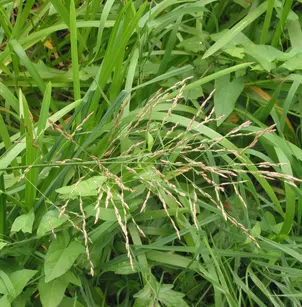
Invasive in the US, and recorded in no Connecticut county. Connecticut lists Reed Mannagrass as a prohibited invasive plant.
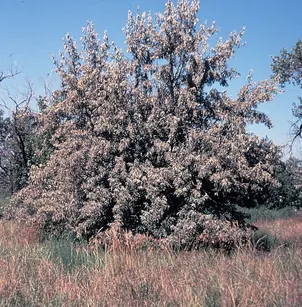
Invasive in the US, and recorded in no Connecticut county. Connecticut lists Russian Olive as a prohibited invasive plant.
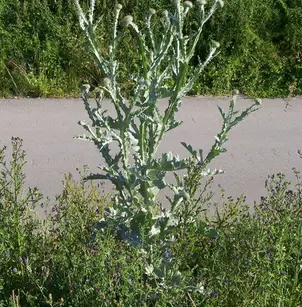
Invasive in the US, and recorded in no Connecticut county. Connecticut lists Scotch Cottonthistle as a prohibited invasive plant.
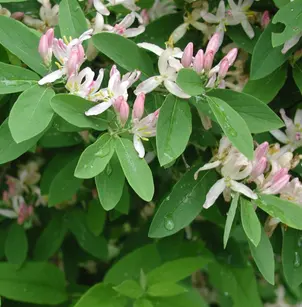
Invasive in the US, and recorded in no Connecticut county. Connecticut lists Showy Fly Honeysuckle as a prohibited invasive plant.
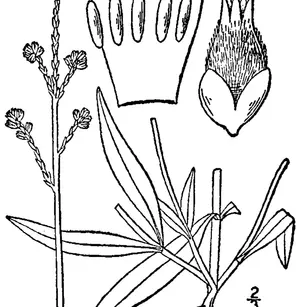
Recorded in no Connecticut county. Connecticut lists Slender Snakecotton as a prohibited invasive plant.
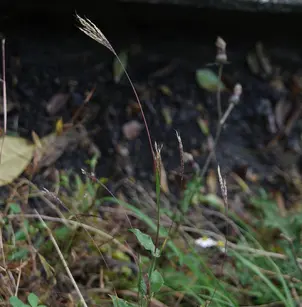
Invasive in the US, and recorded in no Connecticut county. Connecticut lists Small Carpetgrass as a prohibited invasive plant.
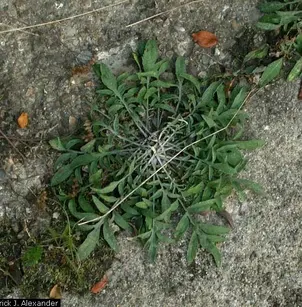
Invasive in the US, and recorded in no Connecticut county. Connecticut lists Spotted Knapweed as a prohibited invasive plant.
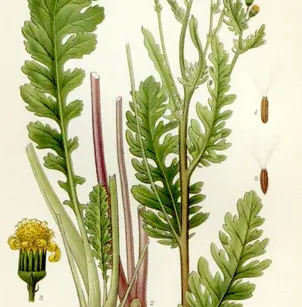
Invasive in the US, and recorded in no Connecticut county. Connecticut lists Stinking Willie as a prohibited invasive plant.
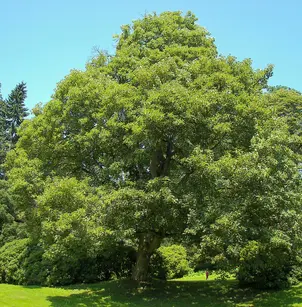
Invasive in the US, and recorded in no Connecticut county. Connecticut lists Sycamore Maple as a prohibited invasive plant.
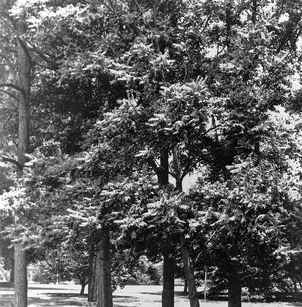
Invasive in the US, and recorded in no Connecticut county. Connecticut lists Tree of Heaven as a prohibited invasive plant.
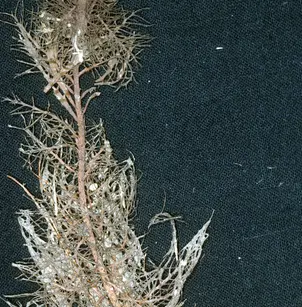
Recorded in no Connecticut county. Connecticut lists Twoleaf Watermilfoil as a prohibited invasive plant.
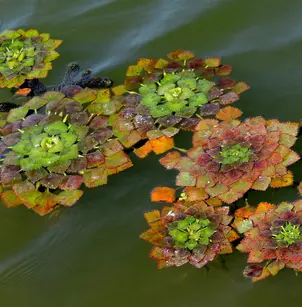
Invasive in the US, and recorded in no Connecticut county. Connecticut lists Water Chestnut as a prohibited invasive plant.
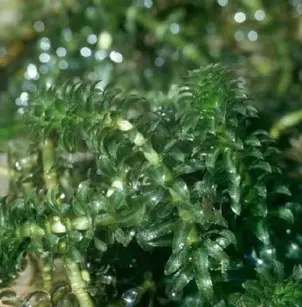
Invasive in the US, and recorded in no Connecticut county. Connecticut lists Waterthyme as a prohibited invasive plant.
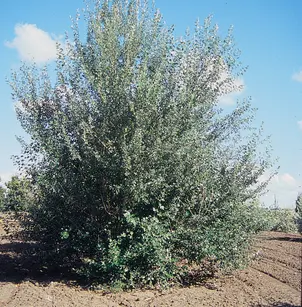
Invasive in the US, and recorded in no Connecticut county. Connecticut lists White Poplar as a prohibited invasive plant.
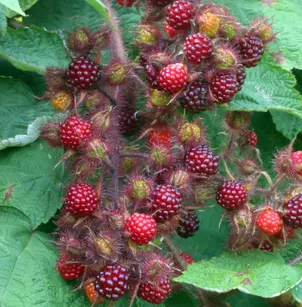
Invasive in the US, and recorded in no Connecticut county. Connecticut lists Wine Raspberry as a prohibited invasive plant.
No plant on Connecticut’s list matches that.
5 of these plants are native to part of the United States, marked US native above. Nativity is regional. Black locust is native to the Appalachians and regulated in New England; Palmer amaranth is native to the Southwest and listed as an agricultural weed in the Corn Belt. A listing tells you what Connecticut regulates, not where a plant belongs. The county checker answers the second question.
Want to check a plant by photo or county?
Use our “Is it native” tool for free.Compiled from the rule itself, retrieved July 20, 2026. Law changes; if you spot a listing we have wrong or stale, tell us at [email protected].
| Plant | Scientific name | Status | Plant instead |
|---|---|---|---|
| Amur Honeysuckle | Lonicera maackii | ProhibitedInvasiveConnecticut says “prohibited invasive plant” | — |
| Asiatic Tearthumb | Persicaria perfoliata | ProhibitedInvasiveConnecticut says “prohibited invasive plant” | — |
| Autumn Olive | Elaeagnus umbellata | ProhibitedInvasiveConnecticut says “prohibited invasive plant” | — |
| Brazilian Waterweed | Egeria densa | ProhibitedInvasiveConnecticut says “prohibited invasive plant” | — |
| Broadleaved Pepperweed | Lepidium latifolium | ProhibitedInvasiveConnecticut says “prohibited invasive plant” | — |
| Burningbush | Bassia scoparia | ProhibitedInvasiveConnecticut says “prohibited invasive plant” | — |
| Canada Bluegrass | Poa compressa | ProhibitedInvasiveConnecticut says “prohibited invasive plant” | — |
| Canada Thistle | Cirsium arvense | ProhibitedInvasiveConnecticut says “prohibited invasive plant” | — |
| Carolina Fanwort US native | Cabomba caroliniana | ProhibitedConnecticut says “prohibited invasive plant” | — |
| Cheatgrass | Bromus tectorum | ProhibitedInvasiveConnecticut says “prohibited invasive plant” | — |
| Climbing Nightshade | Solanum dulcamara | ProhibitedInvasiveConnecticut says “prohibited invasive plant” | — |
| Coltsfoot | Tussilago farfara | ProhibitedInvasiveConnecticut says “prohibited invasive plant” | — |
| Common Barberry | Berberis vulgaris | ProhibitedInvasiveConnecticut says “prohibited invasive plant” | — |
| Common Buckthorn | Rhamnus cathartica | ProhibitedInvasiveConnecticut says “prohibited invasive plant” | — |
| Common Reed | Phragmites australis | ProhibitedConnecticut says “prohibited invasive plant” | — |
| Common Sheep Sorrel | Rumex acetosella | ProhibitedInvasiveConnecticut says “prohibited invasive plant” | — |
| Crested Latesummer Mint | Elsholtzia ciliata | ProhibitedInvasiveConnecticut says “prohibited invasive plant” | — |
| Cup Plant US native | Silphium perfoliatum | ProhibitedConnecticut says “prohibited invasive plant” | — |
| Curly Pondweed | Potamogeton crispus | ProhibitedInvasiveConnecticut says “prohibited invasive plant” | — |
| Cypress Spurge | Euphorbia cyparissias | ProhibitedInvasiveConnecticut says “prohibited invasive plant” | — |
| Dames Rocket | Hesperis matronalis | ProhibitedInvasiveConnecticut says “prohibited invasive plant” | — |
| Empress Tree | Paulownia tomentosa | ProhibitedInvasiveConnecticut says “prohibited invasive plant” | — |
| Eurasian Watermilfoil | Myriophyllum spicatum | ProhibitedInvasiveConnecticut says “prohibited invasive plant” | — |
| European Swallow-Wort | Cynanchum rossicum | ProhibitedInvasiveConnecticut says “prohibited invasive plant” | — |
| False Indigobush US native | Amorpha fruticosa | ProhibitedConnecticut says “prohibited invasive plant” | — |
| Fig Buttercup | Ranunculus ficaria | ProhibitedInvasiveConnecticut says “prohibited invasive plant” | — |
| Garden Valerian | Valeriana officinalis | ProhibitedInvasiveConnecticut says “prohibited invasive plant” | — |
| Garlic Mustard | Alliaria petiolata | ProhibitedInvasiveConnecticut says “prohibited invasive plant” | — |
| Giant Hogweed | Heracleum mantegazzianum | ProhibitedInvasiveConnecticut says “prohibited invasive plant” | — |
| Giant Knotweed | Polygonum sachalinense | ProhibitedInvasiveConnecticut says “prohibited invasive plant” | — |
| Ground Ivy | Glechoma hederacea | ProhibitedInvasiveConnecticut says “prohibited invasive plant” | — |
| Japanese Hop | Humulus japonicus | ProhibitedInvasiveConnecticut says “prohibited invasive plant” | — |
| Japanese Knotweed | Polygonum cuspidatum | ProhibitedConnecticut says “prohibited invasive plant” | — |
| Japanese Sedge | Carex kobomugi | ProhibitedInvasiveConnecticut says “prohibited invasive plant” | — |
| Jimsonweed | Datura stramonium | ProhibitedInvasiveConnecticut says “prohibited invasive plant” | — |
| Kudzu | Pueraria montana | ProhibitedInvasiveConnecticut says “prohibited invasive plant” | — |
| Leafy Spurge | Euphorbia esula | ProhibitedInvasiveConnecticut says “prohibited invasive plant” | — |
| Louise's Swallow-Wort | Cynanchum louiseae | ProhibitedInvasiveConnecticut says “prohibited invasive plant” | — |
| Morrow's Honeysuckle | Lonicera morrowii | ProhibitedInvasiveConnecticut says “prohibited invasive plant” | — |
| Multiflora Rose | Rosa multiflora | ProhibitedInvasiveConnecticut says “prohibited invasive plant” | — |
| Narrowleaf Bittercress | Cardamine impatiens | ProhibitedInvasiveConnecticut says “prohibited invasive plant” | — |
| Nepalese Browntop | Microstegium vimineum | ProhibitedInvasiveConnecticut says “prohibited invasive plant” | — |
| Oriental Bittersweet | Celastrus orbiculatus | ProhibitedInvasiveConnecticut says “prohibited invasive plant” | — |
| Ornamental Jewelweed | Impatiens glandulifera | ProhibitedInvasiveConnecticut says “prohibited invasive plant” | — |
| Ragged Robin | Lychnis flos-cuculi | ProhibitedInvasiveConnecticut says “prohibited invasive plant” | — |
| Reed Mannagrass | Glyceria maxima | ProhibitedInvasiveConnecticut says “prohibited invasive plant” | — |
| Russian Olive | Elaeagnus angustifolia | ProhibitedInvasiveConnecticut says “prohibited invasive plant” | — |
| Scotch Cottonthistle | Onopordum acanthium | ProhibitedInvasiveConnecticut says “prohibited invasive plant” | — |
| Showy Fly Honeysuckle | Lonicera x bella | ProhibitedInvasiveConnecticut says “prohibited invasive plant” | — |
| Slender Snakecotton US native | Froelichia gracilis | ProhibitedConnecticut says “prohibited invasive plant” | — |
| Small Carpetgrass | Arthraxon hispidus | ProhibitedInvasiveConnecticut says “prohibited invasive plant” | — |
| Spotted Knapweed | Centaurea stoebe subsp. micranthos | ProhibitedInvasiveConnecticut says “prohibited invasive plant” | — |
| Stinking Willie | Senecio jacobaea | ProhibitedInvasiveConnecticut says “prohibited invasive plant” | — |
| Sycamore Maple | Acer pseudoplatanus | ProhibitedInvasiveConnecticut says “prohibited invasive plant” | — |
| Tree of Heaven | Ailanthus altissima | ProhibitedInvasiveConnecticut says “prohibited invasive plant” | — |
| Twoleaf Watermilfoil US native | Myriophyllum heterophyllum | ProhibitedConnecticut says “prohibited invasive plant” | — |
| Water Chestnut | Trapa natans | ProhibitedInvasiveConnecticut says “prohibited invasive plant” | — |
| Waterthyme | Hydrilla verticillata | ProhibitedInvasiveConnecticut says “prohibited invasive plant” | — |
| White Poplar | Populus alba | ProhibitedInvasiveConnecticut says “prohibited invasive plant” | — |
| Wine Raspberry | Rubus phoenicolasius | ProhibitedInvasiveConnecticut says “prohibited invasive plant” | — |
Where this comes from
Plants that two or more states bordering Connecticut regulate, and Connecticut does not. A listing is a legal act rather than an ecological one, so a plant can be a documented problem here and still be sold here.
Yes. Conn. Gen. Stat. 22a-381d (as amended by P.A. 24-11) is Connecticut's list, naming 60 plants under a trade restriction, which governs what may be sold, propagated, or moved within the state — in plain terms, which plants are illegal to sell here. GRIIS, the Global Register of Introduced and Invasive Species, flags 53 of these 60 as invasive in the lower 48 states. That is an ecological finding, not a ruling by Connecticut. This page shows both side by side.
8 of the 60 plants on Connecticut's list are vines, by USDA PLANTS growth habit: Asiatic Tearthumb (Persicaria perfoliata), Climbing Nightshade (Solanum dulcamara), European Swallow-Wort (Cynanchum rossicum), Japanese Hop (Humulus japonicus), Kudzu (Pueraria montana), Louise's Swallow-Wort (Cynanchum louiseae), Multiflora Rose (Rosa multiflora), Oriental Bittersweet (Celastrus orbiculatus).
60 plants are regulated under Conn. Gen. Stat. 22a-381d (as amended by P.A. 24-11). Plants marked Prohibited may not be sold, propagated, or moved within Connecticut. Plants marked Restricted carry narrower limits set by the rule.
Search the table on this page for Connecticut's legal determination, then look for the Invasive chip beside it, which is a separate ecological finding from GRIIS rather than a ruling by Connecticut. A plant can carry one, both, or neither. For an address-level answer, enter the plant's name in Ezina's checker to get its Connecticut status alongside whether USDA records it as native to your specific county. Every answer links the record it came from.
For the plants marked Prohibited, Conn. Gen. Stat. 22a-381d (as amended by P.A. 24-11) bars selling, propagating, or moving them within Connecticut. Whether planting one you already own is itself an offence depends on that rule's exact wording, which is why every plant on this page links the citation rather than us paraphrasing it. Plants marked Restricted carry narrower limits the rule sets out.
No. This page reproduces what Connecticut regulates, and a state list is a legal instrument rather than an ecological verdict. Plenty of plants spread aggressively without ever being listed, and states add species years after the problem is documented.
Grow natives easily with Ezina
We provide the tools you need to succeed.

Snap a photo or type the name. Ezina matches it to a library of about 40,000 species and starts a care plan tailored to your zone, the local weather, and the time of year.

One calendar for the whole garden: when to sow, transplant, treat and harvest, worked out for where you live. Watering shows up on it too, only on the days a plant actually needs it.

Our garden planner Dig helps you understand what works best for your location and makes suggestions based off your long term goals.
Snap a photo or type the name. Ezina matches it to a library of about 40,000 species and starts a care plan tailored to your zone, the local weather, and the time of year.
One calendar for the whole garden: when to sow, transplant, treat and harvest, worked out for where you live. Watering shows up on it too, only on the days a plant actually needs it.
Our garden planner Dig helps you understand what works best for your location and makes suggestions based off your long term goals.
Compiled from peer-reviewed research, USDA documentation,
and direct scientific observation across the United States.
Thank you for signing up!
Confirmation is heading to your inbox now. If you don’t receive it in the next 15 minutes contact us at [email protected]

