Amur Honeysuckle – Lonicera maackii IntroducedInvasive
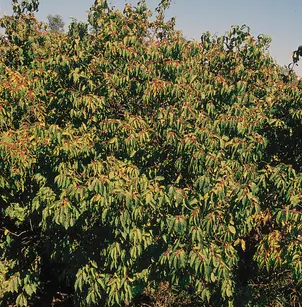
Invasive in the US, and recorded in 21 of Ohio’s 88 counties. Ohio lists Amur Honeysuckle as an invasive plant.

Ohio (OH) regulates 86 invasive plants under Ohio Admin. Code 901:5-37-01 (noxious weeds) + 901:5-30-01 (invasive plants). Ohio's list is a trade restriction, which governs what may be sold, propagated, or moved within the state — in plain terms, which plants are illegal to sell here.
Ohio restricts 86 plants, including Purple Loosestrife, Canada Thistle and Waterthyme. Plants marked Prohibited may not be sold, propagated, or moved within Ohio. 65 of the 86 are also flagged invasive by GRIIS, which is an ecological finding rather than a ruling by Ohio. Checked against Ohio Admin. Code 901:5-37-01 (noxious weeds) + 901:5-30-01 (invasive plants) on July 20, 2026.
Invasive in the US, and recorded in 21 of Ohio’s 88 counties. Ohio lists Amur Honeysuckle as an invasive plant.
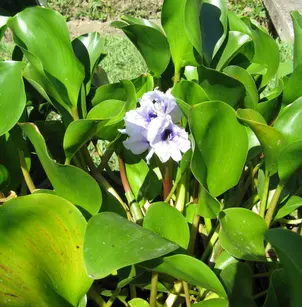
Invasive in the US, and recorded in no Ohio county. Ohio lists Anchored Water Hyacinth as an invasive plant.
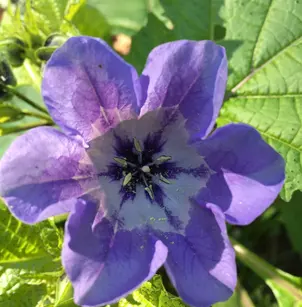
Invasive in the US, and recorded in 23 of Ohio’s 88 counties. Ohio lists Apple of Peru as a prohibited noxious weed.
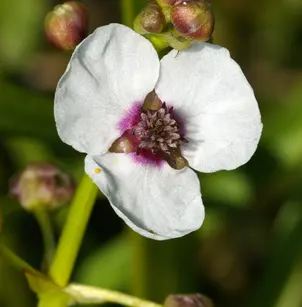
Recorded in no Ohio county. Ohio lists Arrowhead as an invasive plant.
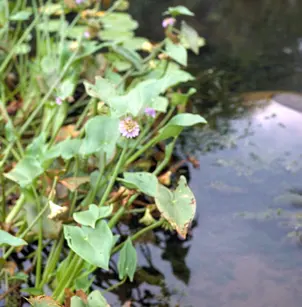
Recorded in no Ohio county. Ohio lists Arrowleaf Falsepickerelweed as an invasive plant.
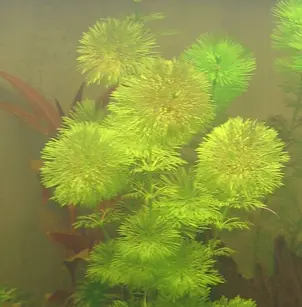
Invasive in the US, and recorded in no Ohio county. Ohio lists Asian Marshweed as an invasive plant.
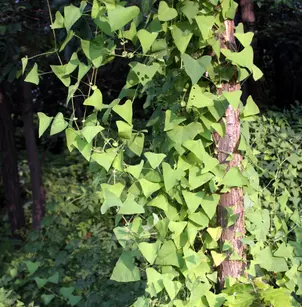
Invasive in the US, and recorded in no Ohio county. Ohio lists Asiatic Tearthumb as a prohibited noxious weed.
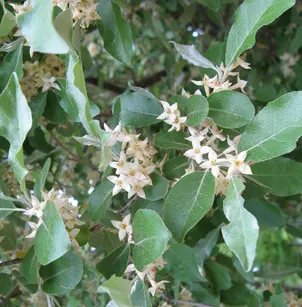
Invasive in the US, and recorded in 28 of Ohio’s 88 counties. Ohio lists Autumn Olive as an invasive plant.
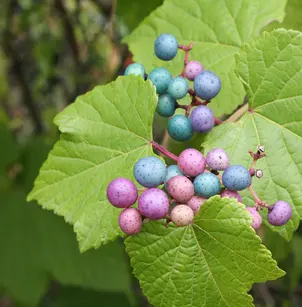
Recorded in 4 of Ohio’s 88 counties. Ohio lists Blueberry Creeper as an invasive plant.
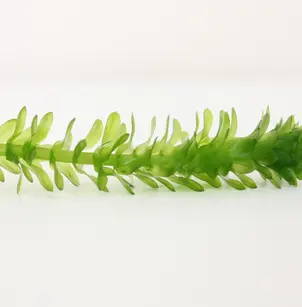
Invasive in the US, and recorded in 1 of Ohio’s 88 counties. Ohio lists Brazilian Waterweed as an invasive plant.
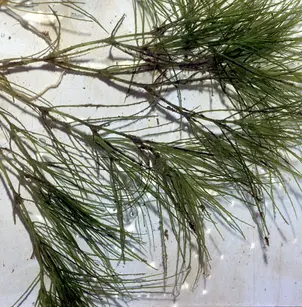
Invasive in the US, and recorded in 13 of Ohio’s 88 counties. Ohio lists Brittle Waternymph as an invasive plant.
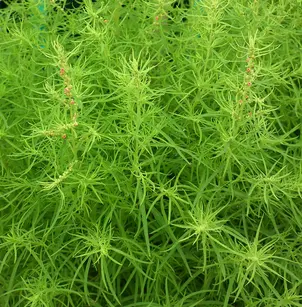
Invasive in the US, and recorded in 31 of Ohio’s 88 counties. Ohio lists Burningbush as a prohibited noxious weed.
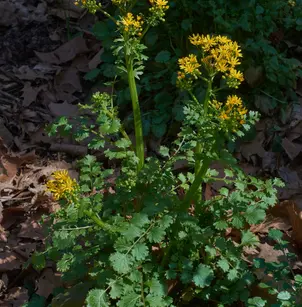
Recorded in 4 of Ohio’s 88 counties. Ohio lists Butterweed as a prohibited noxious weed.
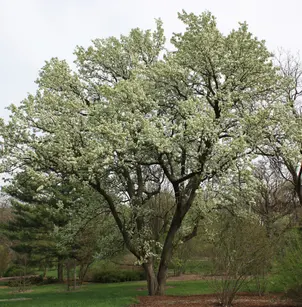
Invasive in the US, and recorded in 1 of Ohio’s 88 counties. Ohio lists Callery Pear as an invasive plant.
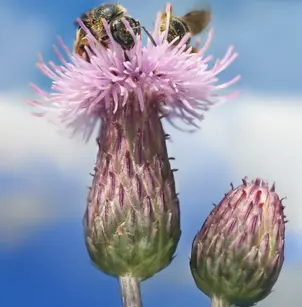
Invasive in the US, and recorded in 62 of Ohio’s 88 counties. Ohio lists Canada Thistle as a prohibited noxious weed.
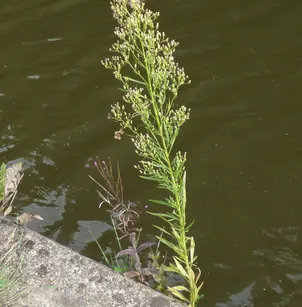
Recorded in 71 of Ohio’s 88 counties. Ohio lists Canadian Horseweed as a prohibited noxious weed.
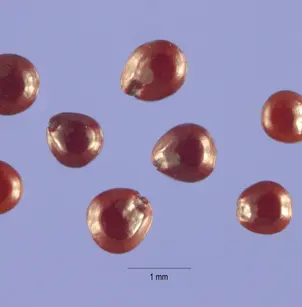
Recorded in 2 of Ohio’s 88 counties. Ohio lists Carelessweed as a prohibited noxious weed.
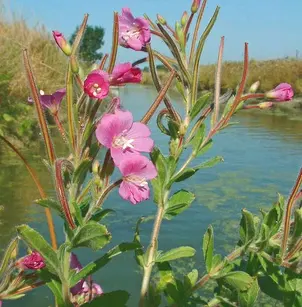
Invasive in the US, and recorded in 13 of Ohio’s 88 counties. Ohio lists Codlins and Cream as an invasive plant.
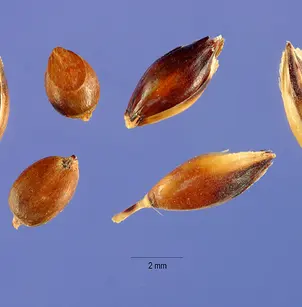
Recorded in 1 of Ohio’s 88 counties. Ohio lists Columbus Grass as a prohibited noxious weed.
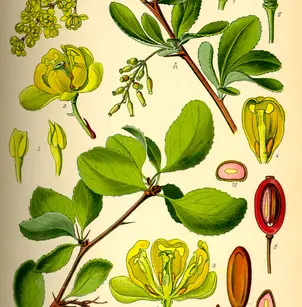
Invasive in the US, and recorded in no Ohio county. Ohio lists Common Barberry as an invasive plant.
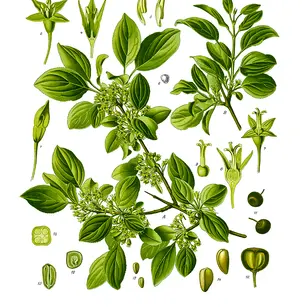
Invasive in the US, and recorded in 17 of Ohio’s 88 counties. Ohio lists Common Buckthorn as an invasive plant.
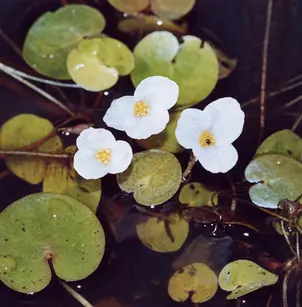
Invasive in the US, and recorded in no Ohio county. Ohio lists Common Frogbit as an invasive plant.
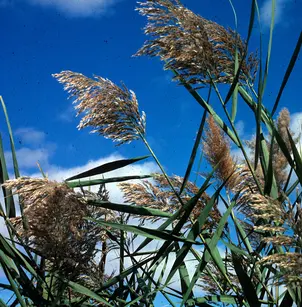
Recorded in 29 of Ohio’s 88 counties. Ohio lists Common Reed as an invasive plant.
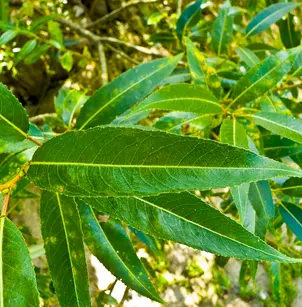
Invasive in the US, and recorded in 34 of Ohio’s 88 counties. Ohio lists Crack Willow as an invasive plant.
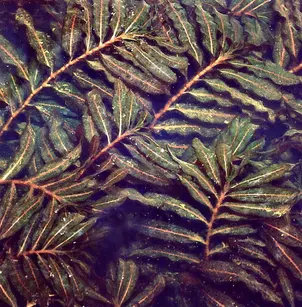
Invasive in the US, and recorded in 13 of Ohio’s 88 counties. Ohio lists Curly Pondweed as an invasive plant.
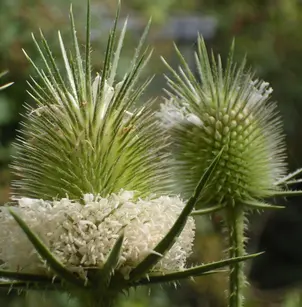
Invasive in the US, and recorded in 20 of Ohio’s 88 counties. Ohio lists Cutleaf Teasel as an invasive plant.
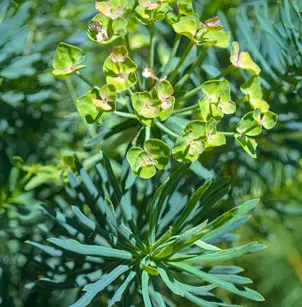
Invasive in the US, and recorded in 46 of Ohio’s 88 counties. Ohio lists Cypress Spurge as a prohibited noxious weed.
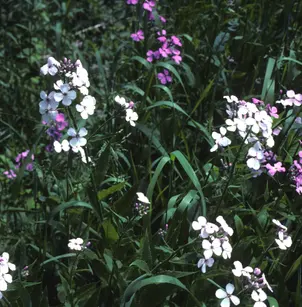
Invasive in the US, and recorded in 43 of Ohio’s 88 counties. Ohio lists Dames Rocket as an invasive plant.
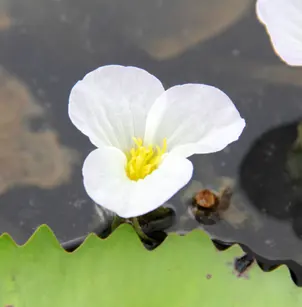
Invasive in the US, and recorded in no Ohio county. Ohio lists Ducklettuce as an invasive plant.
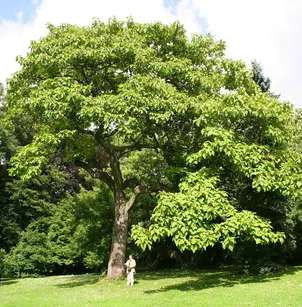
Invasive in the US, and recorded in 4 of Ohio’s 88 counties. Ohio lists Empress Tree as an invasive plant.
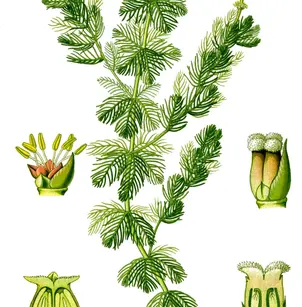
Invasive in the US, and recorded in 43 of Ohio’s 88 counties. Ohio lists Eurasian Watermilfoil as an invasive plant.
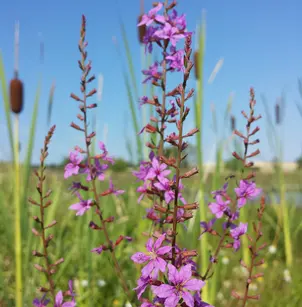
Recorded in no Ohio county. Ohio lists European Wand Loosestrife as an invasive plant.
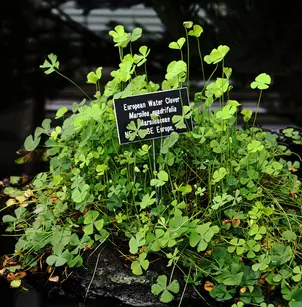
Invasive in the US, and recorded in 2 of Ohio’s 88 counties. Ohio lists European Waterclover as an invasive plant.
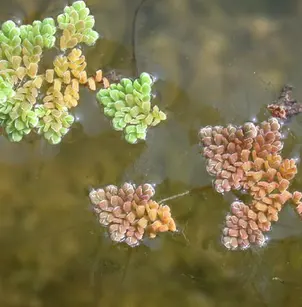
Invasive in the US, and recorded in no Ohio county. Ohio lists Feathered Mosquitofern as an invasive plant.
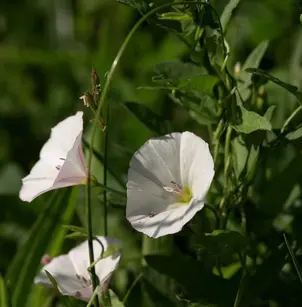
Invasive in the US, and recorded in 59 of Ohio’s 88 counties. Ohio lists Field Bindweed as a prohibited noxious weed.
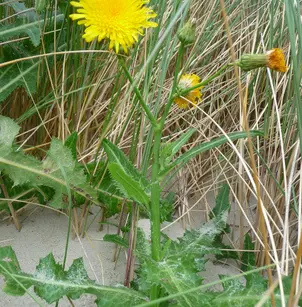
Invasive in the US, and recorded in 49 of Ohio’s 88 counties. Ohio lists Field Sowthistle as a prohibited noxious weed.
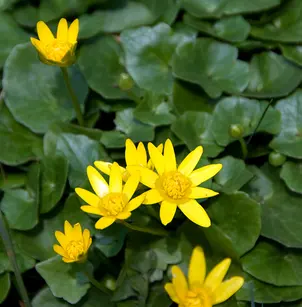
Invasive in the US, and recorded in 4 of Ohio’s 88 counties. Ohio lists Fig Buttercup as an invasive plant.
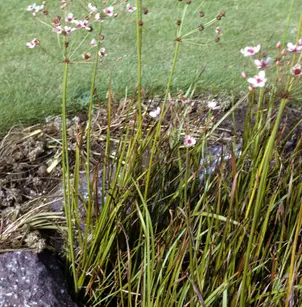
Invasive in the US, and recorded in 2 of Ohio’s 88 counties. Ohio lists Flowering Rush as an invasive plant.
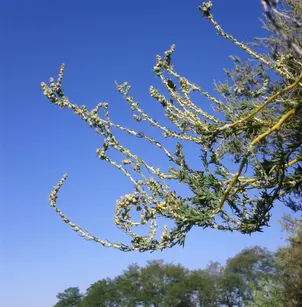
Recorded in no Ohio county. Ohio lists Forage Kochia as a prohibited noxious weed.
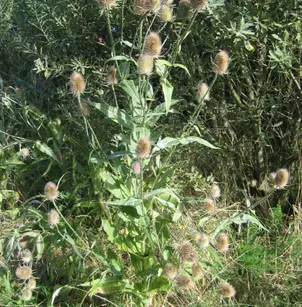
Recorded in 81 of Ohio’s 88 counties. Ohio lists Fuller's Teasel as an invasive plant.
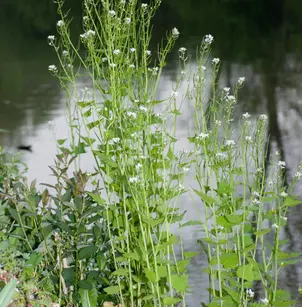
Invasive in the US, and recorded in 37 of Ohio’s 88 counties. Ohio lists Garlic Mustard as an invasive plant.
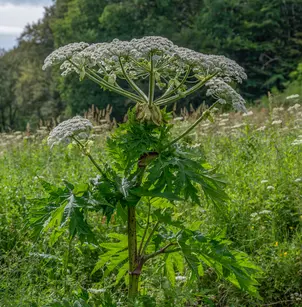
Invasive in the US, and recorded in no Ohio county. Ohio lists Giant Hogweed as a prohibited noxious weed.
Recorded in no Ohio county. Ohio lists Hairy Whitetop as a prohibited noxious weed.
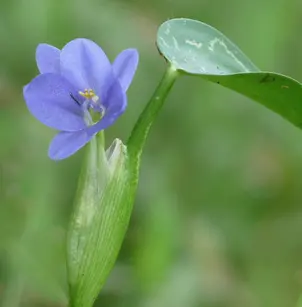
Recorded in no Ohio county. Ohio lists Heartshape False Pickerelweed as an invasive plant.
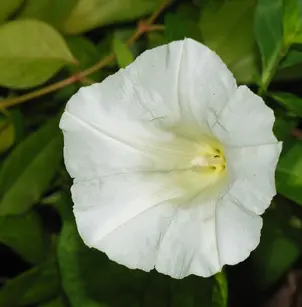
Recorded in 83 of Ohio’s 88 counties. Ohio lists Hedge False Bindweed as a prohibited noxious weed.
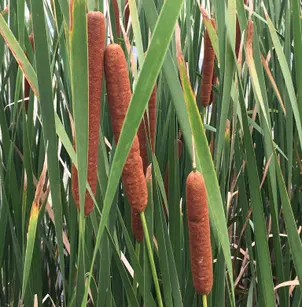
Recorded in no Ohio county. Ohio lists Hybrid Cattail as an invasive plant.
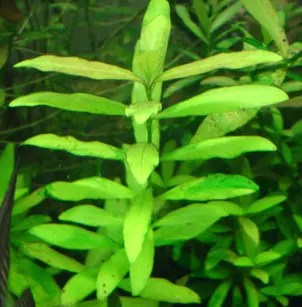
Invasive in the US, and recorded in no Ohio county. Ohio lists Indian Swampweed as an invasive plant.
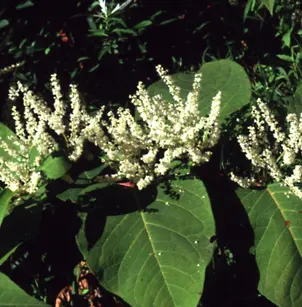
Invasive in the US, and recorded in 33 of Ohio’s 88 counties. Ohio lists Japanese Knotweed as a prohibited noxious weed.
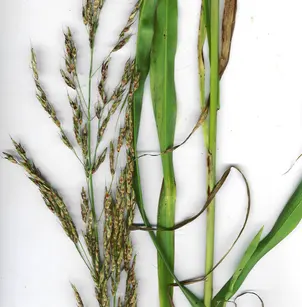
Invasive in the US, and recorded in 6 of Ohio’s 88 counties. Ohio lists Johnsongrass as a prohibited noxious weed.
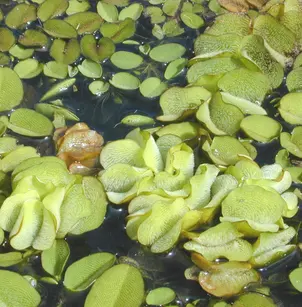
Invasive in the US, and recorded in no Ohio county. Ohio lists Kariba-Weed as an invasive plant.
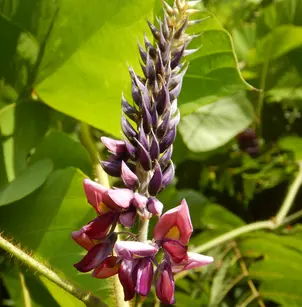
Invasive in the US, and recorded in 7 of Ohio’s 88 counties. Ohio lists Kudzu as a prohibited noxious weed.
Recorded in no Ohio county. Ohio lists Lenspod Whitetop as a prohibited noxious weed.
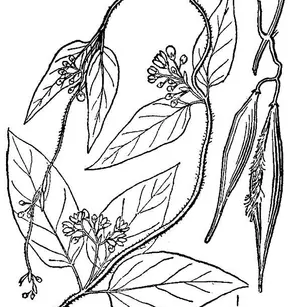
Invasive in the US, and recorded in 5 of Ohio’s 88 counties. Ohio lists Louise's Swallow-Wort as an invasive plant.
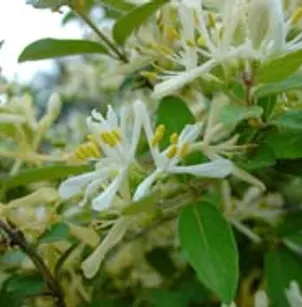
Invasive in the US, and recorded in 43 of Ohio’s 88 counties. Ohio lists Morrow's Honeysuckle as an invasive plant.
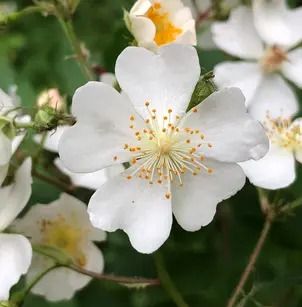
Invasive in the US, and recorded in 77 of Ohio’s 88 counties. Ohio lists Multiflora Rose as an invasive plant.
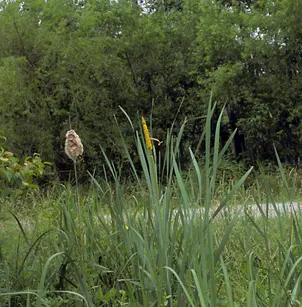
Invasive in the US, and recorded in 46 of Ohio’s 88 counties. Ohio lists Narrowleaf Cattail as an invasive plant.
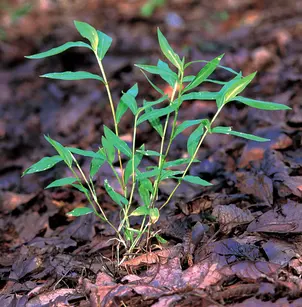
Invasive in the US, and recorded in 1 of Ohio’s 88 counties. Ohio lists Nepalese Browntop as an invasive plant.
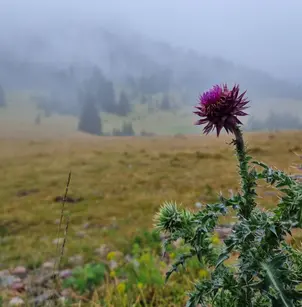
Invasive in the US, and recorded in 15 of Ohio’s 88 counties. Ohio lists Nodding Plumeless Thistle as a prohibited noxious weed.
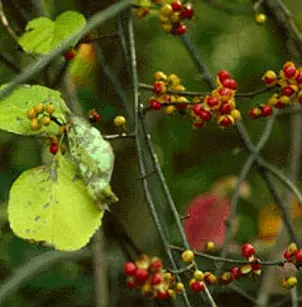
Invasive in the US, and recorded in 8 of Ohio’s 88 counties. Ohio lists Oriental Bittersweet as an invasive plant.
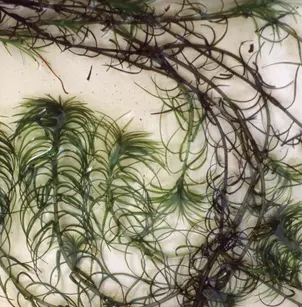
Recorded in no Ohio county. Ohio lists Oxygen-Weed as an invasive plant.
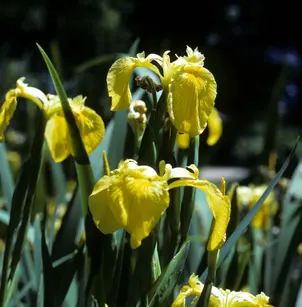
Invasive in the US, and recorded in no Ohio county. Ohio lists Paleyellow Iris as an invasive plant.
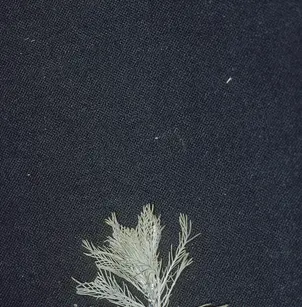
Invasive in the US, and recorded in 1 of Ohio’s 88 counties. Ohio lists Parrot Feather Watermilfoil as an invasive plant.
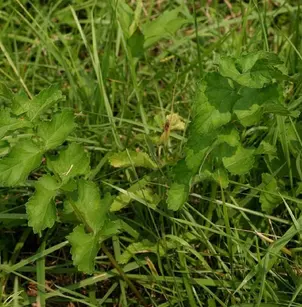
Invasive in the US, and recorded in 80 of Ohio’s 88 counties. Ohio lists Parsnip as a prohibited noxious weed.
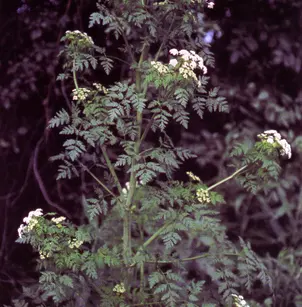
Invasive in the US, and recorded in 47 of Ohio’s 88 counties. Ohio lists Poison Hemlock as a prohibited noxious weed.
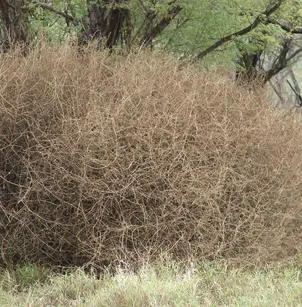
Invasive in the US, and recorded in 41 of Ohio’s 88 counties. Ohio lists Prickly Russian Thistle as a prohibited noxious weed.
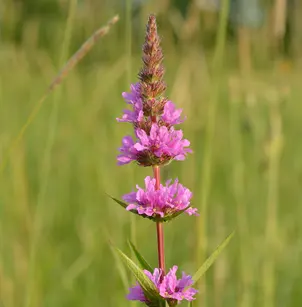
Invasive in the US, and recorded in 48 of Ohio’s 88 counties. Ohio lists Purple Loosestrife as a prohibited noxious weed.
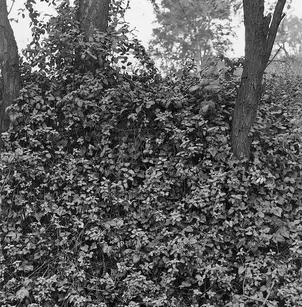
Invasive in the US, and recorded in 67 of Ohio’s 88 counties. Ohio lists Purple-Leaf Japanese Honeysuckle as an invasive plant.
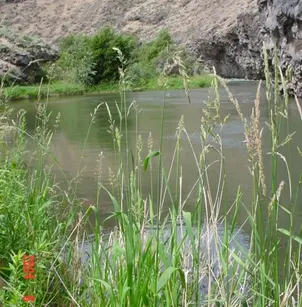
Recorded in 74 of Ohio’s 88 counties. Ohio lists Reed Canarygrass as an invasive plant.
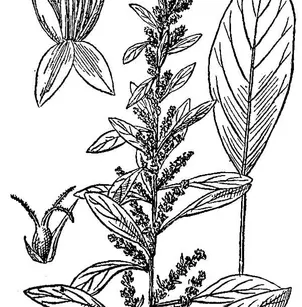
Recorded in 52 of Ohio’s 88 counties. Ohio lists Roughfruit Amaranth as a prohibited noxious weed.
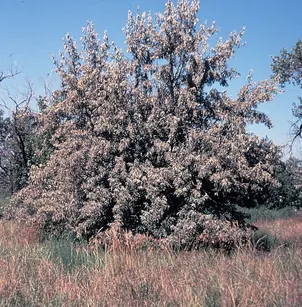
Invasive in the US, and recorded in 4 of Ohio’s 88 counties. Ohio lists Russian Olive as an invasive plant.
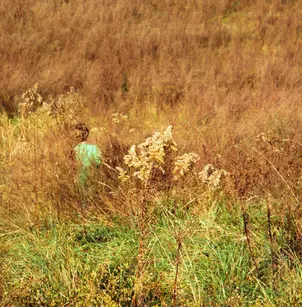
Invasive in the US, and recorded in no Ohio county. Ohio lists Serrated Tussock as a prohibited noxious weed.
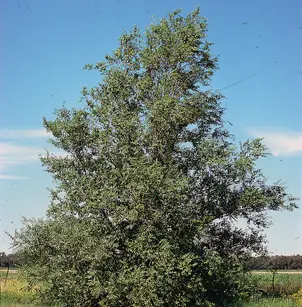
Invasive in the US, and recorded in 4 of Ohio’s 88 counties. Ohio lists Siberian Elm as an invasive plant.
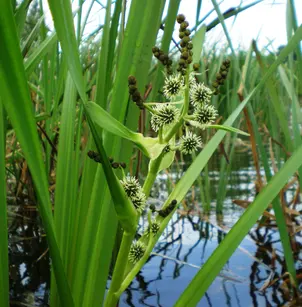
Invasive in the US, and recorded in no Ohio county. Ohio lists Simplestem Bur-Reed as an invasive plant.
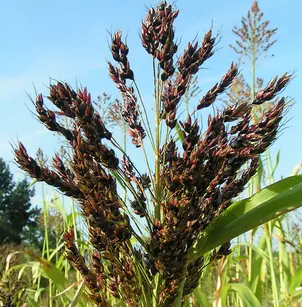
Invasive in the US, and recorded in 2 of Ohio’s 88 counties. Ohio lists Sorghum as a prohibited noxious weed.
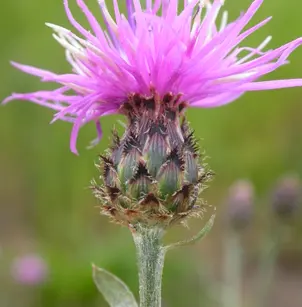
Invasive in the US, and recorded in 24 of Ohio’s 88 counties. Ohio lists Spotted Knapweed as a prohibited noxious weed.
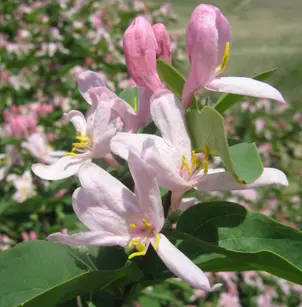
Invasive in the US, and recorded in 30 of Ohio’s 88 counties. Ohio lists Tatarian Honeysuckle as an invasive plant.
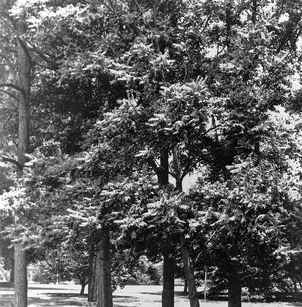
Invasive in the US, and recorded in 88 of Ohio’s 88 counties. Ohio lists Tree of Heaven as an invasive plant.
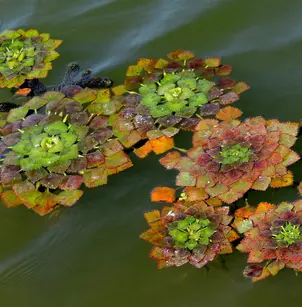
Invasive in the US, and recorded in no Ohio county. Ohio lists Water Chestnut as an invasive plant.
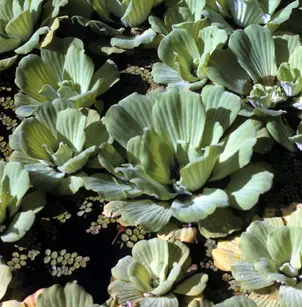
Recorded in no Ohio county. Ohio lists Water Lettuce as an invasive plant.
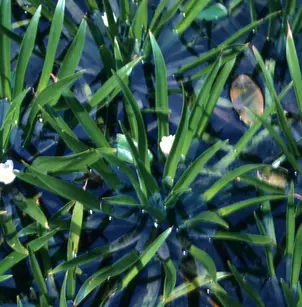
Recorded in no Ohio county. Ohio lists Water Soldiers as an invasive plant.
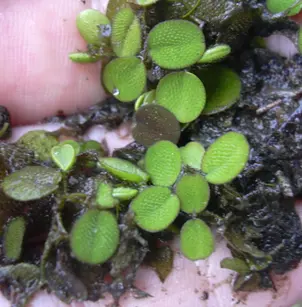
Invasive in the US, and recorded in no Ohio county. Ohio lists Water Spangles as an invasive plant.
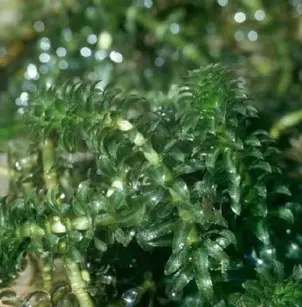
Invasive in the US, and recorded in no Ohio county. Ohio lists Waterthyme as an invasive plant.
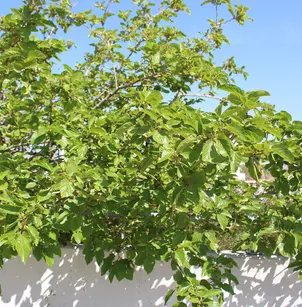
Invasive in the US, and recorded in 86 of Ohio’s 88 counties. Ohio lists White Mulberry as an invasive plant.
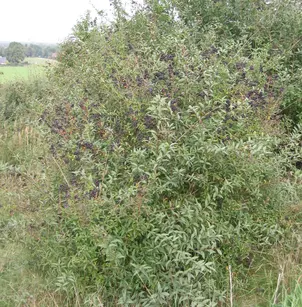
Invasive in the US, and recorded in 43 of Ohio’s 88 counties. Ohio lists Wild Privet as an invasive plant.
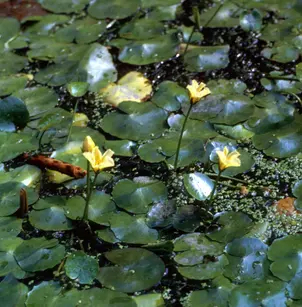
Invasive in the US, and recorded in 2 of Ohio’s 88 counties. Ohio lists Yellow Floatingheart as an invasive plant.
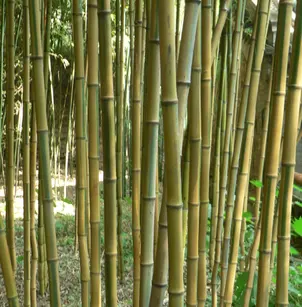
Invasive in the US, and recorded in no Ohio county. Ohio lists Yellow Groove Bamboo as a prohibited noxious weed.
No plant on Ohio’s list matches that.
7 of these plants are native to part of the United States, marked US native above. Nativity is regional. Black locust is native to the Appalachians and regulated in New England; Palmer amaranth is native to the Southwest and listed as an agricultural weed in the Corn Belt. A listing tells you what Ohio regulates, not where a plant belongs. The county checker answers the second question.
Want to check a plant by photo or county?
Use our “Is it native” tool for free.Compiled from the rule itself, retrieved July 20, 2026. Law changes; if you spot a listing we have wrong or stale, tell us at [email protected].
| Plant | Scientific name | Status | Plant instead |
|---|---|---|---|
| Amur Honeysuckle | Lonicera maackii | ProhibitedInvasiveOhio says “invasive plant” | Rough-Leaf Dogwood, Common Witch Hazel, Smooth Sumac |
| Anchored Water Hyacinth | Eichhornia azurea | ProhibitedInvasiveOhio says “invasive plant” | — |
| Apple of Peru | Nicandra physalodes | ProhibitedInvasiveOhio says “prohibited noxious weed” | — |
| Arrowhead | Sagittaria sagittifolia | ProhibitedOhio says “invasive plant” | — |
| Arrowleaf Falsepickerelweed | Monochoria hastata | ProhibitedOhio says “invasive plant” | — |
| Asian Marshweed | Limnophila sessiliflora | ProhibitedInvasiveOhio says “invasive plant” | — |
| Asiatic Tearthumb | Persicaria perfoliata | ProhibitedInvasiveOhio says “prohibited noxious weed” | — |
| Autumn Olive | Elaeagnus umbellata | ProhibitedInvasiveOhio says “invasive plant” | Smooth Sumac, Northern Bayberry, Bayberry |
| Blueberry Creeper | Ampelopsis brevipedunculata | ProhibitedOhio says “invasive plant” | Beach Pea, Graybark Grape, Frost Grape |
| Brazilian Waterweed | Egeria densa | ProhibitedInvasiveOhio says “invasive plant” | — |
| Brittle Waternymph | Najas minor | ProhibitedInvasiveOhio says “invasive plant” | — |
| Burningbush | Bassia scoparia | ProhibitedInvasiveOhio says “prohibited noxious weed” | — |
| Butterweed US native | Packera glabella | ProhibitedOhio says “prohibited noxious weed” | — |
| Callery Pear | Pyrus calleryana | ProhibitedInvasiveOhio says “invasive plant” | Sassafras, Pin Cherry, Black Cherry |
| Canada Thistle | Cirsium arvense | ProhibitedInvasiveOhio says “prohibited noxious weed” | — |
| Canadian Horseweed US native | Conyza canadensis | ProhibitedOhio says “prohibited noxious weed” | — |
| Carelessweed US native | Amaranthus palmeri | ProhibitedOhio says “prohibited noxious weed” | — |
| Codlins and Cream | Epilobium hirsutum | ProhibitedInvasiveOhio says “invasive plant” | — |
| Columbus Grass | Sorghum almum | ProhibitedOhio says “prohibited noxious weed” | — |
| Common Barberry | Berberis vulgaris | ProhibitedInvasiveOhio says “invasive plant” | Oregon Grape, Common Juniper, Russet Buffaloberry |
| Common Buckthorn | Rhamnus cathartica | ProhibitedInvasiveOhio says “invasive plant” | Rough-Leaf Dogwood, Common Witch Hazel, Smooth Sumac |
| Common Frogbit | Hydrocharis morsus-ranae | ProhibitedInvasiveOhio says “invasive plant” | — |
| Common Reed | Phragmites australis | ProhibitedOhio says “invasive plant” | — |
| Crack Willow | Salix fragilis | ProhibitedInvasiveOhio says “invasive plant” | — |
| Curly Pondweed | Potamogeton crispus | ProhibitedInvasiveOhio says “invasive plant” | — |
| Cutleaf Teasel | Dipsacus laciniatus | ProhibitedInvasiveOhio says “invasive plant” | — |
| Cypress Spurge | Euphorbia cyparissias | ProhibitedInvasiveOhio says “prohibited noxious weed” | Purple Love Grass, Woolly Beachheather, Field Pussytoes |
| Dames Rocket | Hesperis matronalis | ProhibitedInvasiveOhio says “invasive plant” | Drummond's Rockcress, Rocky Mountain Beeplant, Rough Avens |
| Ducklettuce | Ottelia alismoides | ProhibitedInvasiveOhio says “invasive plant” | — |
| Empress Tree | Paulownia tomentosa | ProhibitedInvasiveOhio says “invasive plant” | Sassafras, Pin Cherry, Black Cherry |
| Eurasian Watermilfoil | Myriophyllum spicatum | ProhibitedInvasiveOhio says “invasive plant” | — |
| European Wand Loosestrife | Lythrum virgatum | ProhibitedOhio says “invasive plant” | Great St. Johnswort, Canada Goldenrod, Missouri Ironweed |
| European Waterclover | Marsilea quadrifolia | ProhibitedInvasiveOhio says “invasive plant” | — |
| Feathered Mosquitofern | Azolla pinnata | ProhibitedInvasiveOhio says “invasive plant” | — |
| Field Bindweed | Convolvulus arvensis | ProhibitedInvasiveOhio says “prohibited noxious weed” | — |
| Field Sowthistle | Sonchus arvensis | ProhibitedInvasiveOhio says “prohibited noxious weed” | — |
| Fig Buttercup | Ranunculus ficaria | ProhibitedInvasiveOhio says “invasive plant” | Longbeak Buttercup, Beach Pea, Blue Eyed Grass |
| Flowering Rush | Butomus umbellatus | ProhibitedInvasiveOhio says “invasive plant” | — |
| Forage Kochia | Bassia prostrata | ProhibitedOhio says “prohibited noxious weed” | — |
| Fuller's Teasel | Dipsacus fullonum | ProhibitedOhio says “invasive plant” | — |
| Garlic Mustard | Alliaria petiolata | ProhibitedInvasiveOhio says “invasive plant” | — |
| Giant Hogweed | Heracleum mantegazzianum | ProhibitedInvasiveOhio says “prohibited noxious weed” | — |
| Hairy Whitetop | Cardaria pubescens | ProhibitedOhio says “prohibited noxious weed” | — |
| Heartshape False Pickerelweed | Monochoria vaginalis | ProhibitedOhio says “invasive plant” | — |
| Hedge False Bindweed | Calystegia sepium | ProhibitedOhio says “prohibited noxious weed” | — |
| Hybrid Cattail US native | Typha x glauca | ProhibitedOhio says “invasive plant” | — |
| Indian Swampweed | Hygrophila polysperma | ProhibitedInvasiveOhio says “invasive plant” | — |
| Japanese Knotweed | Fallopia japonica | ProhibitedInvasiveOhio says “prohibited noxious weed” | — |
| Johnsongrass | Sorghum halepense | ProhibitedInvasiveOhio says “prohibited noxious weed” | — |
| Kariba-Weed | Salvinia molesta | ProhibitedInvasiveOhio says “invasive plant” | — |
| Kudzu | Pueraria montana | ProhibitedInvasiveOhio says “prohibited noxious weed” | Trumpet Honeysuckle, Riverbank Grape, Climbing Rose |
| Lenspod Whitetop | Cardaria chalepensis | ProhibitedOhio says “prohibited noxious weed” | — |
| Louise's Swallow-Wort | Cynanchum louiseae | ProhibitedInvasiveOhio says “invasive plant” | — |
| Morrow's Honeysuckle | Lonicera morrowii | ProhibitedInvasiveOhio says “invasive plant” | White Meadowsweet, American Black Currant, Russet Buffaloberry |
| Multiflora Rose | Rosa multiflora | ProhibitedInvasiveOhio says “invasive plant” | American Black Currant, White Meadowsweet, Mountain Laurel |
| Narrowleaf Cattail | Typha angustifolia | ProhibitedInvasiveOhio says “invasive plant” | — |
| Nepalese Browntop | Microstegium vimineum | ProhibitedInvasiveOhio says “invasive plant” | — |
| Nodding Plumeless Thistle | Carduus nutans | ProhibitedInvasiveOhio says “prohibited noxious weed” | — |
| Oriental Bittersweet | Celastrus orbiculatus | ProhibitedInvasiveOhio says “invasive plant” | American Bittersweet, Trumpet Honeysuckle, Yellow Passionflower |
| Oxygen-Weed | Lagarosiphon major | ProhibitedOhio says “invasive plant” | — |
| Paleyellow Iris | Iris pseudacorus | ProhibitedInvasiveOhio says “invasive plant” | Harlequin Blueflag, Virginia Iris, Pickerelweed |
| Parrot Feather Watermilfoil | Myriophyllum aquaticum | ProhibitedInvasiveOhio says “invasive plant” | — |
| Parsnip | Pastinaca sativa | ProhibitedInvasiveOhio says “prohibited noxious weed” | — |
| Poison Hemlock | Conium maculatum | ProhibitedInvasiveOhio says “prohibited noxious weed” | — |
| Prickly Russian Thistle | Salsola tragus | ProhibitedInvasiveOhio says “prohibited noxious weed” | — |
| Purple Loosestrife | Lythrum salicaria | ProhibitedInvasiveOhio says “prohibited noxious weed” | Great St. Johnswort, Canada Goldenrod, Missouri Ironweed |
| Purple-Leaf Japanese Honeysuckle | Lonicera japonica 'Purpurea' | ProhibitedInvasiveOhio says “invasive plant” | Trumpet Honeysuckle, Grape Honeysuckle, Trumpet Vine |
| Reed Canarygrass US native | Phalaris arundinacea | ProhibitedOhio says “invasive plant” | Common Rush, Sweet Woodreed, Woolgrass |
| Roughfruit Amaranth US native | Amaranthus tuberculatus | ProhibitedOhio says “prohibited noxious weed” | — |
| Russian Olive | Elaeagnus angustifolia | ProhibitedInvasiveOhio says “invasive plant” | Smooth Sumac, Blackjack Oak, Northern Bayberry |
| Serrated Tussock | Nassella trichotoma | ProhibitedInvasiveOhio says “prohibited noxious weed” | — |
| Siberian Elm | Ulmus pumila | ProhibitedInvasiveOhio says “invasive plant” | Rock Elm, Western Catalpa, Kentucky Coffeetree |
| Simplestem Bur-Reed | Sparganium erectum | ProhibitedInvasiveOhio says “invasive plant” | — |
| Sorghum | Sorghum bicolor | ProhibitedInvasiveOhio says “prohibited noxious weed” | — |
| Spotted Knapweed | Centaurea stoebe | ProhibitedInvasiveOhio says “prohibited noxious weed” | — |
| Tatarian Honeysuckle | Lonicera tatarica | ProhibitedInvasiveOhio says “invasive plant” | American Fly Honeysuckle, American Black Currant, White Meadowsweet |
| Tree of Heaven | Ailanthus altissima | ProhibitedInvasiveOhio says “invasive plant” | Western Catalpa, Kentucky Coffeetree, Post Oak |
| Water Chestnut | Trapa natans | ProhibitedInvasiveOhio says “invasive plant” | — |
| Water Lettuce US native | Pistia stratiotes | ProhibitedOhio says “invasive plant” | — |
| Water Soldiers | Stratiotes aloides | ProhibitedOhio says “invasive plant” | — |
| Water Spangles | Salvinia minima | ProhibitedInvasiveOhio says “invasive plant” | — |
| Waterthyme | Hydrilla verticillata | ProhibitedInvasiveOhio says “invasive plant” | — |
| White Mulberry | Morus alba | ProhibitedInvasiveOhio says “invasive plant” | Red Mulberry, Scarlet Oak, Chinquapin Oak |
| Wild Privet | Ligustrum vulgare | ProhibitedInvasiveOhio says “invasive plant” | White Meadowsweet, American Black Currant, Russet Buffaloberry |
| Yellow Floatingheart | Nymphoides peltata | ProhibitedInvasiveOhio says “invasive plant” | — |
| Yellow Groove Bamboo | Phyllostachys aureosulcata | ProhibitedInvasiveOhio says “prohibited noxious weed” | Cane Reed, Big Bluestem, Yellow Indian Grass |
Where this comes from
Plants that two or more states bordering Ohio regulate, and Ohio does not. A listing is a legal act rather than an ecological one, so a plant can be a documented problem here and still be sold here.
Yes. Ohio Admin. Code 901:5-37-01 (noxious weeds) + 901:5-30-01 (invasive plants) is Ohio's list, naming 86 plants under a trade restriction, which governs what may be sold, propagated, or moved within the state — in plain terms, which plants are illegal to sell here. GRIIS, the Global Register of Introduced and Invasive Species, flags 65 of these 86 as invasive in the lower 48 states. That is an ecological finding, not a ruling by Ohio. This page shows both side by side.
9 of the 86 plants on Ohio's list are vines, by USDA PLANTS growth habit: Asiatic Tearthumb (Persicaria perfoliata), Blueberry Creeper (Ampelopsis brevipedunculata), Field Bindweed (Convolvulus arvensis), Hedge False Bindweed (Calystegia sepium), Kudzu (Pueraria montana), Louise's Swallow-Wort (Cynanchum louiseae), Multiflora Rose (Rosa multiflora), Oriental Bittersweet (Celastrus orbiculatus), Purple-Leaf Japanese Honeysuckle (Lonicera japonica 'Purpurea').
86 plants are regulated under Ohio Admin. Code 901:5-37-01 (noxious weeds) + 901:5-30-01 (invasive plants). Plants marked Prohibited may not be sold, propagated, or moved within Ohio. Plants marked Restricted carry narrower limits set by the rule.
Search the table on this page for Ohio's legal determination, then look for the Invasive chip beside it, which is a separate ecological finding from GRIIS rather than a ruling by Ohio. A plant can carry one, both, or neither. For an address-level answer, enter the plant's name in Ezina's checker to get its Ohio status alongside whether USDA records it as native to your specific county. Every answer links the record it came from.
For the plants marked Prohibited, Ohio Admin. Code 901:5-37-01 (noxious weeds) + 901:5-30-01 (invasive plants) bars selling, propagating, or moving them within Ohio. Whether planting one you already own is itself an offence depends on that rule's exact wording, which is why every plant on this page links the citation rather than us paraphrasing it. Plants marked Restricted carry narrower limits the rule sets out.
No. This page reproduces what Ohio regulates, and a state list is a legal instrument rather than an ecological verdict. Plenty of plants spread aggressively without ever being listed, and states add species years after the problem is documented.
Grow natives easily with Ezina
We provide the tools you need to succeed.

Snap a photo or type the name. Ezina matches it to a library of about 40,000 species and starts a care plan tailored to your zone, the local weather, and the time of year.

One calendar for the whole garden: when to sow, transplant, treat and harvest, worked out for where you live. Watering shows up on it too, only on the days a plant actually needs it.

Our garden planner Dig helps you understand what works best for your location and makes suggestions based off your long term goals.
Snap a photo or type the name. Ezina matches it to a library of about 40,000 species and starts a care plan tailored to your zone, the local weather, and the time of year.
One calendar for the whole garden: when to sow, transplant, treat and harvest, worked out for where you live. Watering shows up on it too, only on the days a plant actually needs it.
Our garden planner Dig helps you understand what works best for your location and makes suggestions based off your long term goals.
Compiled from peer-reviewed research, USDA documentation,
and direct scientific observation across the United States.
Thank you for signing up!
Confirmation is heading to your inbox now. If you don’t receive it in the next 15 minutes contact us at [email protected]

