
§ Toxic plants · Fabaceae · Checked Oct 2026
Is broad-leaved sweet pea toxic to cats and dogs?
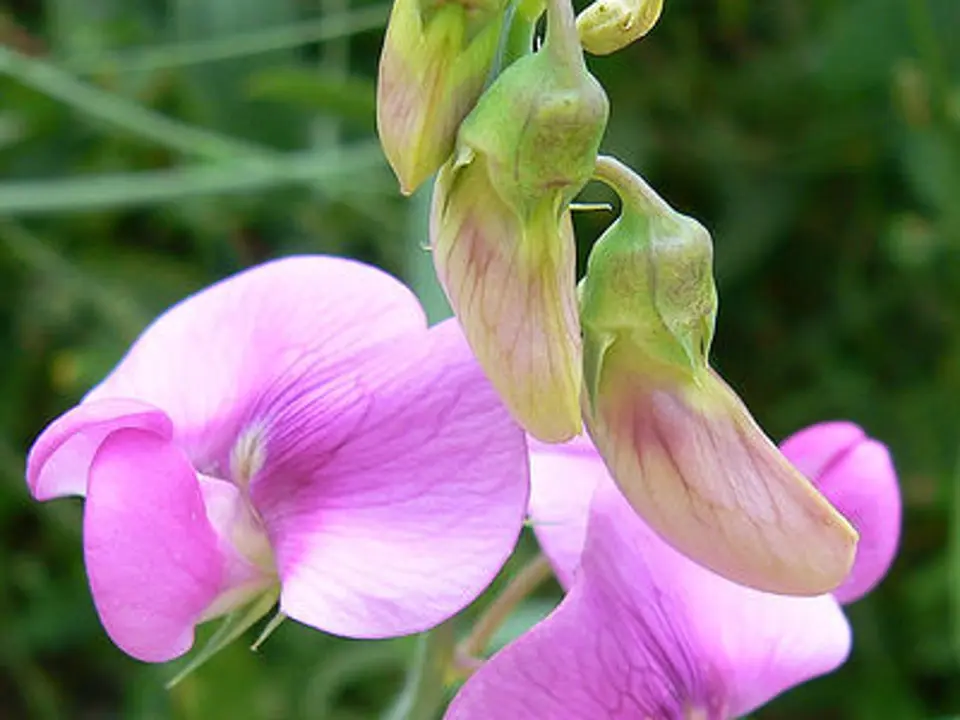
Yes. Broad-leaved sweet pea (Lathyrus latifolius) is toxic to cats and dogs, according to the ASPCA Animal Poison Control Center. Plant Smart rates its effects Critical, level 4 of 4.
Get a permanent discount if you join Early Access. iPhone and Android, in the contiguous U.S.

§ 010 · Signs
What to watch for
Signs include weakness, lethargy, pacing, pressing the head against walls, tremors and seizures. Eaten in quantity, it can be fatal. Signs can start within hours; some take a day or more to show.
§ 020 · If it happened
What to do if your pet ate it
Call your vet or a pet poison hotline straight away, even if your pet seems fine: the ASPCA Animal Poison Control Center, (888) 426-4435, or Pet Poison Helpline, (855) 764-7661. Both are open 24 hours and charge a fee. Have the plant or a photo of it to hand, and don’t make your pet vomit unless a vet tells you to.
§ 030 · Same family
Other Fabaceae plants toxic to pets
Broad-leaved sweet pea belongs to the Fabaceae family. ASPCA lists these relatives too.
§ 040 · Questions
Questions about broad-leaved sweet pea and pets
Is broad-leaved sweet pea toxic to cats?
Yes. ASPCA lists broad-leaved sweet pea as toxic to cats.
Is broad-leaved sweet pea toxic to dogs?
Yes. ASPCA lists broad-leaved sweet pea as toxic to dogs.
What happens if my pet eats broad-leaved sweet pea?
Signs include weakness, lethargy, pacing, pressing the head against walls, tremors and seizures. Eaten in quantity, it can be fatal. Plant Smart rates it Critical, level 4 of 4.
What should I do if my pet ate it?
Call your vet or a pet poison hotline right away, even before signs appear: the ASPCA Animal Poison Control Center at (888) 426-4435, or Pet Poison Helpline at (855) 764-7661. Both charge a fee. Have the plant, or a photo of it, to hand.