
§ Toxic plants · Compositae · Checked Oct 2026
Is groundsels toxic to cats and dogs?
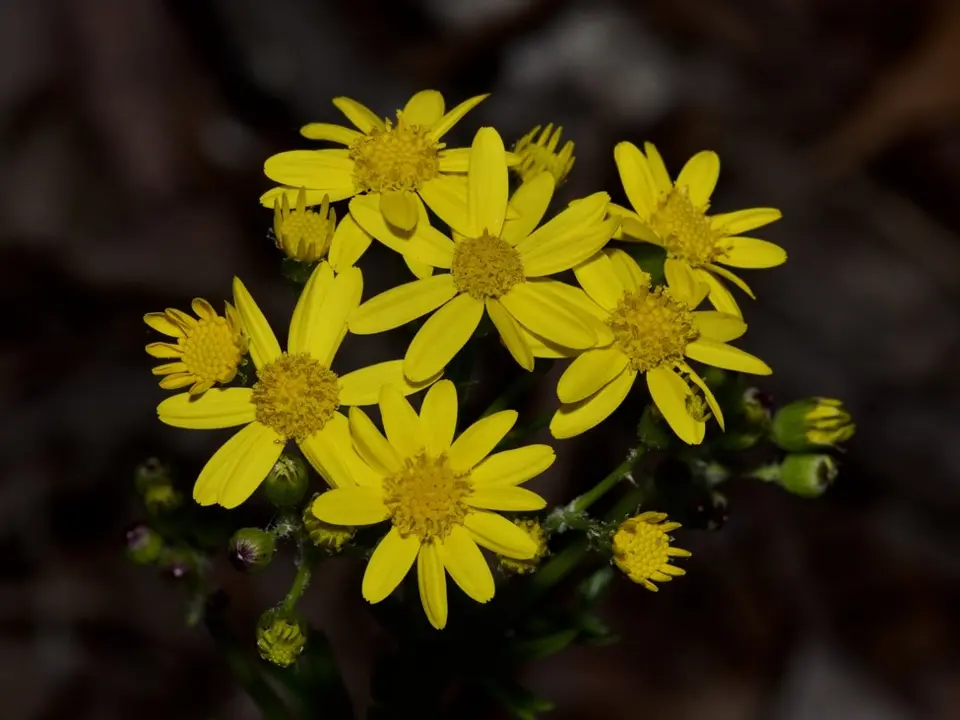
Yes. Groundsels (Senecio spp.) is toxic to cats and dogs, according to the ASPCA Animal Poison Control Center. Plant Smart rates its effects Critical, level 4 of 4.
Get a permanent discount if you join Early Access. iPhone and Android, in the contiguous U.S.
§ 010 · Signs
What to watch for
Signs include liver failure, weight loss, weakness, lethargy, yawning, wobbliness or poor coordination, jaundice (yellow gums or eyes), dullness or depression, loss of appetite, vomiting, diarrhea, drowsiness, pressing the head against walls, anemia (pale gums) and skin irritation. Signs can start within hours; some take a day or more to show.
§ 020 · If it happened
What to do if your pet ate it
Call your vet or a pet poison hotline straight away, even if your pet seems fine: the ASPCA Animal Poison Control Center, (888) 426-4435, or Pet Poison Helpline, (855) 764-7661. Both are open 24 hours and charge a fee. Have the plant or a photo of it to hand, and don’t make your pet vomit unless a vet tells you to.
§ 030 · Same family
Other Compositae plants toxic to pets
Groundsels belongs to the Compositae family. ASPCA lists these relatives too.
§ 040 · Questions
Questions about groundsels and pets
Is groundsels toxic to cats?
Yes. ASPCA lists groundsels as toxic to cats.
Is groundsels toxic to dogs?
Yes. ASPCA lists groundsels as toxic to dogs.
What happens if my pet eats groundsels?
Signs include liver failure, weight loss, weakness, lethargy, yawning, wobbliness or poor coordination, jaundice (yellow gums or eyes), dullness or depression, loss of appetite, vomiting, diarrhea, drowsiness, pressing the head against walls, anemia (pale gums) and skin irritation. Plant Smart rates it Critical, level 4 of 4.
What should I do if my pet ate it?
Call your vet or a pet poison hotline right away, even before signs appear: the ASPCA Animal Poison Control Center at (888) 426-4435, or Pet Poison Helpline at (855) 764-7661. Both charge a fee. Have the plant, or a photo of it, to hand.