Ezina · A Field Manual for Plant Care · United States Vol. I · Ed. 2027 · Proof copy

§ When to plant · West Virginia · Checked Sept 2026

When to plant vegetables in West Virginia

In Charleston, tender crops like tomatoes and peppers can go out around May 1, and frost has historically passed 9 years in 10 by May 16. Cool-season crops go in from January, and again from July for fall.

Get a lifelong price reduction if you join Early Access. iPhone and Android, in the contiguous U.S.

§ 010 · Frost dates

Frost dates across West Virginia

Based on NOAA's 1991–2020 station records, with adjustments for tender crops.

City · NOAA stationLast frost, on averagePlant tender crops fromFrost is over, 9 of 10 years byFall frost possible from
BeckleyBECKLEY VA HOSPITAL · 3 kmMay 6May 19May 19Jun 1Sep 28
BluefieldBLUEFIELD · 2 kmApr 30May 15May 15May 29Oct 3
BridgeportCLARKSBURG BENEDUM AIRPORT · 1 kmApr 18May 4May 4May 19Oct 9
Charles TownMARTINSBURG E WV REGIONAL AIRPORT · 18 kmApr 20May 6May 6May 22Oct 7
CharlestonCHARLESTON YEAGER AIRPORT · 5 kmApr 16May 1May 1May 16Oct 13
ClarksburgCLARKSBURG 1 · 1 kmApr 22May 7May 7May 21Oct 9
DunbarCHARLESTON WFO · 6 kmApr 23May 8May 8May 22Oct 8
FairmontFAIRMONT · 2 kmApr 18May 4May 4May 19Oct 14
HuntingtonHUNTINGTON SWG PL · 8 kmApr 12Apr 28April 28May 13Oct 16
HurricaneWINFIELD LOCKS · 14 kmApr 18May 3May 3May 18Oct 17
MartinsburgMARTINSBURG 2 · 1 kmApr 17May 1May 1May 15Oct 8
MorgantownMORGANTOWN HART FIELD · 3 kmApr 23May 8May 8May 23Oct 11
MoundsvilleMOUNDSVILLE · 2 kmApr 26May 9May 9May 22Oct 8
Oak HillOAK HILL · 1 kmApr 21May 8May 8May 24Oct 6
ParkersburgPARKERSBURG · 3 kmApr 14Apr 29April 29May 13Oct 16
South CharlestonCHARLESTON WFO · 4 kmApr 23May 8May 8May 22Oct 8
St. AlbansSAINT ALBANS · 1 kmApr 18May 2May 2May 16Oct 12
ViennaPARKERSBURG · 5 kmApr 14Apr 29April 29May 13Oct 16
WeirtonSTEUBENVILLE · 6 kmApr 29May 11May 11May 23Oct 6
WheelingWHEELING · 3 kmApr 20May 4May 4May 17Oct 15

West Virginia's 20 largest cities (U.S. Census Bureau 2025 estimates), A to Z, each with its nearest NOAA station and the distance to it. Search any town to get its nearest station. "Plant tender crops from" is halfway between the average last frost and the date frost is over 9 years in 10; if frost is in the forecast after it, wait until it passes and nights stay above 36°F.

§ 020 · What to plant

What to plant in West Virginia, and when

Planting windows from West Virginia's Cooperative Extension Service. Filter by season or crop group; every view has its own link.

Region
Season
Crops
  • Dark green: fall planting window
  • Light green: spring and summer planting window
  • TenderKilled by frost: spring planting from the "plant tender crops from" date for your city

§ 030 · Crop by crop

Planting in West Virginia

Each crop has its own link, like #tomatoes. Tender crops wait for the frost dates above; succession crops are sown again every few weeks for a steady harvest.

  • Dark green: fall planting window
  • Light green: spring and summer planting window

Arugula

Eruca vesicaria

Cool season
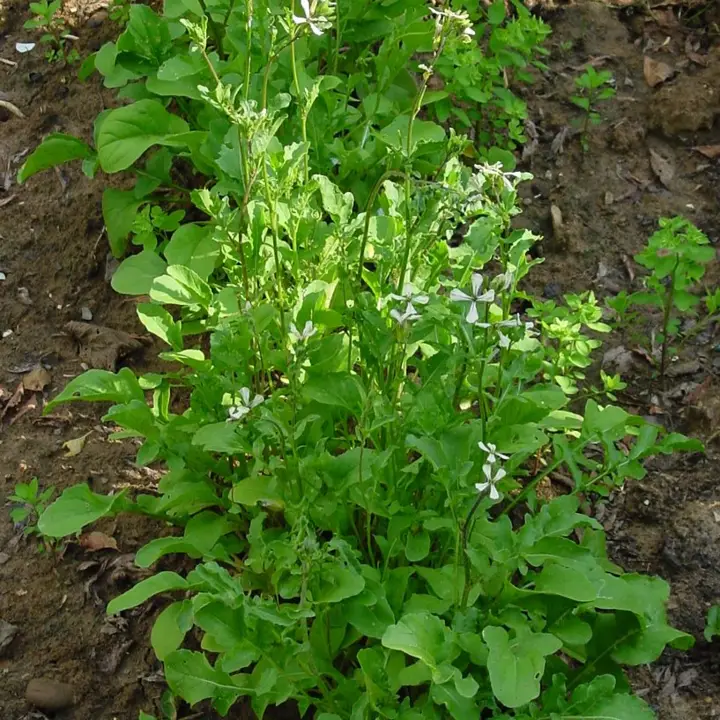
Arugula
Photo by Leo Michels / Public domain / Wikimedia Commons

Zone A (last frost May 10): sow Apr–Sep; plant Apr, and again May, and again Jun, and again Jul, and again Aug, and again Sep.
Zone B (last frost Apr 30): sow Apr–Sep; plant Apr, and again May, and again Jun, and again Jul, and again Aug, and again Sep.
Zone C (last frost Apr 20): sow Apr–Sep; plant Apr, and again May, and again Jun, and again Jul, and again Aug, and again Sep.

Ready in about 35 days.

Source: WVU Extension, West Virginia University, Succession Planting; WVU Extension, West Virginia University, West Virginia Garden Guide (crop pages: Growing Basil, Beets, Brussels Sprouts, Carrots, Cauliflower, Garlic, Greens, Kale, Pumpkins, Summer Squash, Sweet Corn, Sweet Lunchbox Peppers in West Virginia). Days to harvest: Ezina crop catalog, from state extension guides.
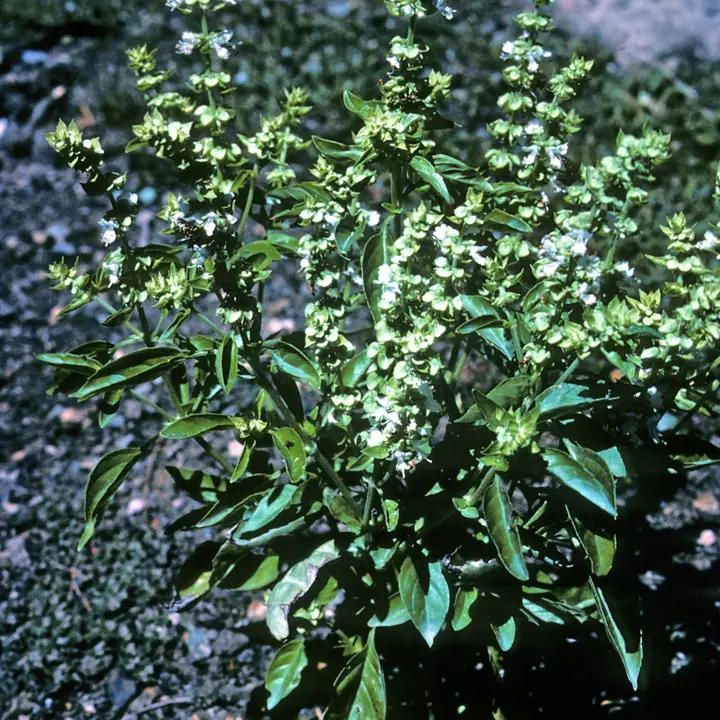
Basil

Ocimum basilicum

Tender
Basil
Photo by Howard, R.A / Public domain / Smithsonian Institution, Richard A. Howard Photograph Collection / via USDA PLANTS

Zone A (last frost May 10): plant May, and again Jun, and again Jul.
Zone B (last frost Apr 30): plant May, and again Jun, and again Jul.
Zone C (last frost Apr 20): plant May, and again Jun, and again Jul.

Ready in about 60 days from seed, 35 from transplants. Tender: in spring, from about May 1 in Charleston. If frost is in the forecast, hold off until it passes and nights stay above 36°F.

Source: WVU Extension, West Virginia University, Succession Planting; WVU Extension, West Virginia University, West Virginia Garden Guide (crop pages: Growing Basil, Beets, Brussels Sprouts, Carrots, Cauliflower, Garlic, Greens, Kale, Pumpkins, Summer Squash, Sweet Corn, Sweet Lunchbox Peppers in West Virginia). Days to harvest: Ezina crop catalog, from state extension guides.
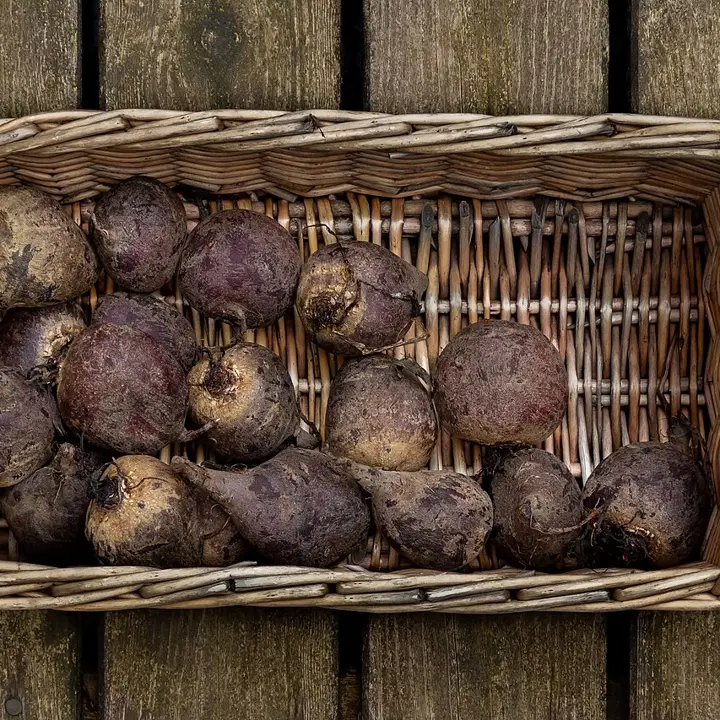
Beets

Beta vulgaris

Cool seasonSuccession sow
Beets
Photo by W.carter / CC BY-SA 4.0 / Wikimedia Commons

Zone A (last frost May 10): sow Mar; plant Apr, and again May, and again Jun, and again Jul, and again Aug, and again Sep.
Zone B (last frost Apr 30): sow Mar; plant Apr, and again May, and again Jun, and again Jul, and again Aug, and again Sep.
Zone C (last frost Apr 20): sow Mar; plant Apr, and again May, and again Jun, and again Jul, and again Aug, and again Sep.

Ready in about 58 days; sow again every 6 weeks.

Source: WVU Extension, West Virginia University, Succession Planting; WVU Extension, West Virginia University, West Virginia Garden Guide (crop pages: Growing Basil, Beets, Brussels Sprouts, Carrots, Cauliflower, Garlic, Greens, Kale, Pumpkins, Summer Squash, Sweet Corn, Sweet Lunchbox Peppers in West Virginia). Days to harvest: Ezina crop catalog, from state extension guides.
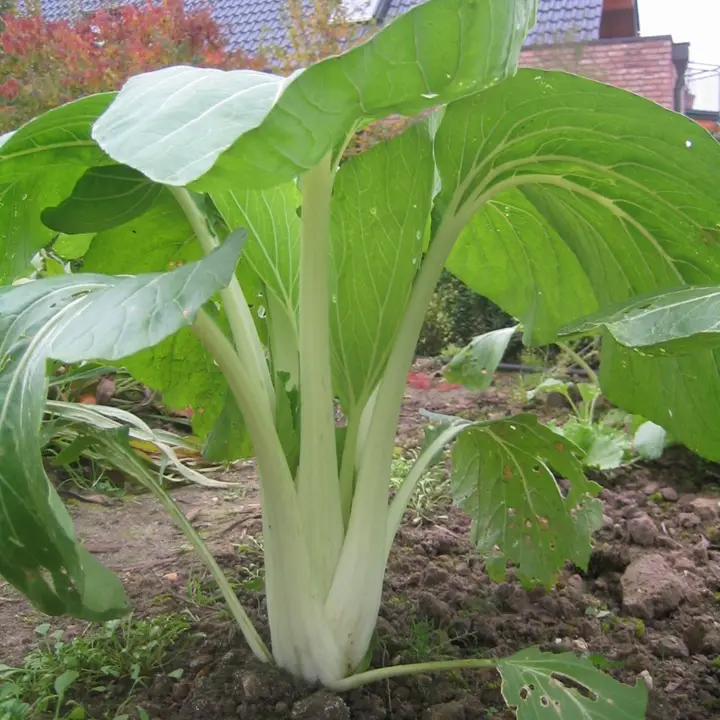
Bok choy

Brassica rapa

Cool seasonSuccession sow
Bok choy
Photo by Webvet~enwiki / Public domain / Wikimedia Commons

Zone A (last frost May 10): set out transplants Apr–Jul.
Zone B (last frost Apr 30): set out transplants Apr–Jul.
Zone C (last frost Apr 20): set out transplants Apr–Jul.

Ready in about 50 days from seed, 40 from transplants; sow again every 4 weeks.

Source: WVU Extension, West Virginia University, West Virginia Garden Guide (crop pages: Growing Basil, Beets, Brussels Sprouts, Carrots, Cauliflower, Garlic, Greens, Kale, Pumpkins, Summer Squash, Sweet Corn, Sweet Lunchbox Peppers in West Virginia). Days to harvest: Ezina crop catalog, from state extension guides.
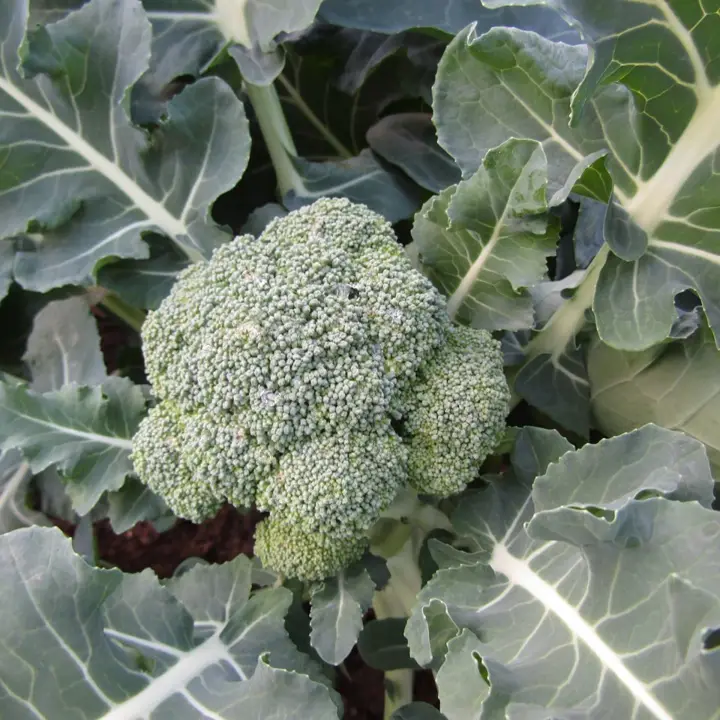
Broccoli

Brassica oleracea

Cool season
Broccoli
Photo by Kolforn / CC BY-SA 4.0 / Wikimedia Commons

Zone A (last frost May 10): plant Apr, and again May, and again Jun, and again Jul.
Zone B (last frost Apr 30): plant Apr, and again May, and again Jun, and again Jul.
Zone C (last frost Apr 20): plant Apr, and again May, and again Jun, and again Jul.

Ready in about 95 days from seed, 65 from transplants.

Source: WVU Extension, West Virginia University, Succession Planting. Days to harvest: Ezina crop catalog, from state extension guides.

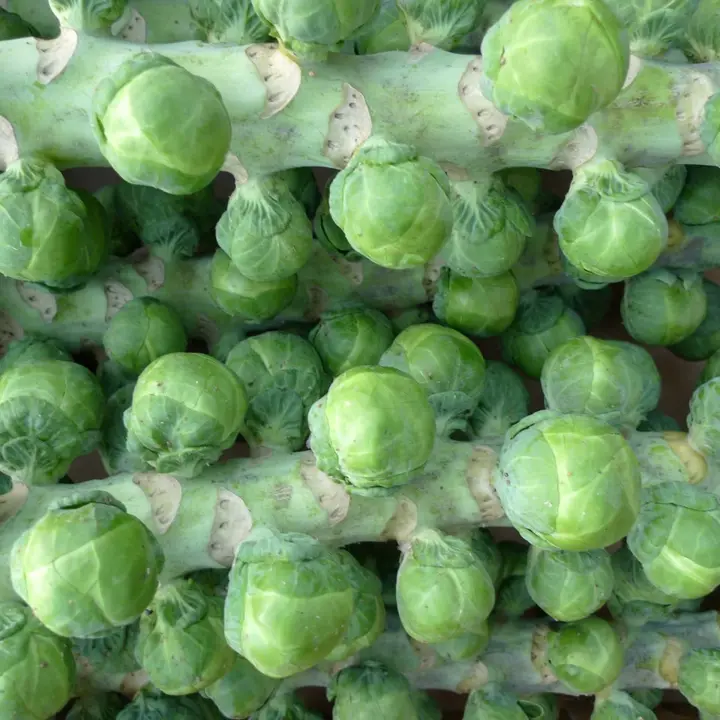
Brussels sprouts

Brassica oleracea

Cool season
Brussels sprouts
Photo by Nick Saltmarsh / CC BY 2.0 / Wikimedia Commons

Zone A (last frost May 10): plant Jun, and again Jul; sow Jul; set out transplants Jul.
Zone B (last frost Apr 30): plant Jun, and again Jul; sow Jul; set out transplants Jul.
Zone C (last frost Apr 20): plant Jun, and again Jul; sow Jul; set out transplants Jul.

Ready in about 130 days from seed, 100 from transplants.

Source: WVU Extension, West Virginia University, Succession Planting; WVU Extension, West Virginia University, West Virginia Garden Guide (crop pages: Growing Basil, Beets, Brussels Sprouts, Carrots, Cauliflower, Garlic, Greens, Kale, Pumpkins, Summer Squash, Sweet Corn, Sweet Lunchbox Peppers in West Virginia). Days to harvest: Ezina crop catalog, from state extension guides.
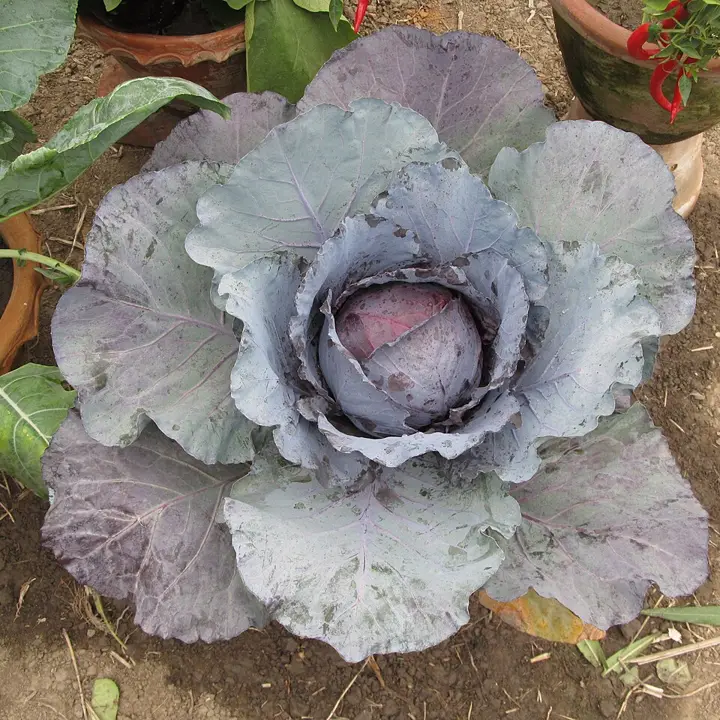
Cabbage

Brassica oleracea

Cool season
Cabbage
Photo by Biswarup Ganguly / CC BY-SA 3.0 / Wikimedia Commons

Zone A (last frost May 10): plant Apr, and again May, and again Jun, and again Jul.
Zone B (last frost Apr 30): plant Apr, and again May, and again Jun, and again Jul.
Zone C (last frost Apr 20): plant Apr, and again May, and again Jun, and again Jul.

Ready in about 110 days from seed, 80 from transplants.

Source: WVU Extension, West Virginia University, Succession Planting. Days to harvest: Ezina crop catalog, from state extension guides.

Cantaloupe

Cucumis melo

Tender
Cantaloupe
Photo by Seth Vidal / CC BY-SA 2.0 / Wikimedia Commons

Zone A (last frost May 10): plant May, and again Jun, and again Jul.
Zone B (last frost Apr 30): plant May, and again Jun, and again Jul.
Zone C (last frost Apr 20): plant May, and again Jun, and again Jul.

Ready in about 80 days from seed, 70 from transplants. Tender: in spring, from about May 1 in Charleston. If frost is in the forecast, hold off until it passes and nights stay above 36°F.

Source: WVU Extension, West Virginia University, Succession Planting. Days to harvest: Ezina crop catalog, from state extension guides.

Carrots

Daucus carota

Cool seasonSuccession sow
Carrots
Photo by Evan-Amos / Public domain / Wikimedia Commons

Zone A (last frost May 10): sow Apr, and again Sep; plant Apr, and again May, and again Jun, and again Jul, and again Aug.
Zone B (last frost Apr 30): sow Apr, and again Sep; plant Apr, and again May, and again Jun, and again Jul, and again Aug.
Zone C (last frost Apr 20): sow Apr, and again Sep; plant Apr, and again May, and again Jun, and again Jul, and again Aug.

Ready in about 70 days; sow again every 7 weeks.

Source: WVU Extension, West Virginia University, Succession Planting; WVU Extension, West Virginia University, West Virginia Garden Guide (crop pages: Growing Basil, Beets, Brussels Sprouts, Carrots, Cauliflower, Garlic, Greens, Kale, Pumpkins, Summer Squash, Sweet Corn, Sweet Lunchbox Peppers in West Virginia). Days to harvest: Ezina crop catalog, from state extension guides.
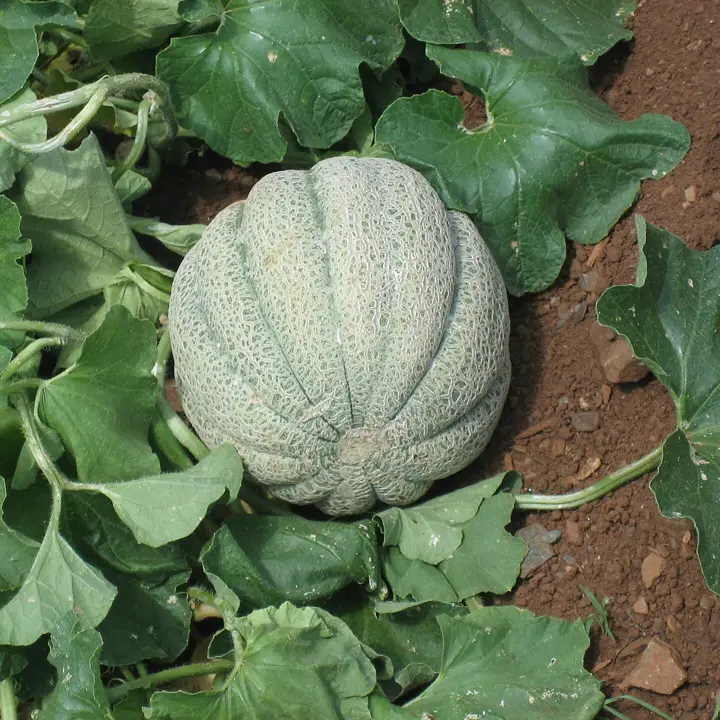
Cauliflower

Brassica oleracea

Cool season
Cauliflower
Photo by Coyau / CC BY-SA 3.0 / Wikimedia Commons

Zone A (last frost May 10): start seed indoors Feb, and again Jun; set out transplants Apr, and again Jul; plant May, and again Jun, and again Jul.
Zone B (last frost Apr 30): start seed indoors Feb, and again Jun; set out transplants Apr, and again Jul; plant May, and again Jun, and again Jul.
Zone C (last frost Apr 20): start seed indoors Feb, and again Jun; set out transplants Apr, and again Jul; plant May, and again Jun, and again Jul.

Ready in about 95 days from seed, 68 from transplants.

Source: WVU Extension, West Virginia University, Succession Planting; WVU Extension, West Virginia University, West Virginia Garden Guide (crop pages: Growing Basil, Beets, Brussels Sprouts, Carrots, Cauliflower, Garlic, Greens, Kale, Pumpkins, Summer Squash, Sweet Corn, Sweet Lunchbox Peppers in West Virginia). Days to harvest: Ezina crop catalog, from state extension guides.
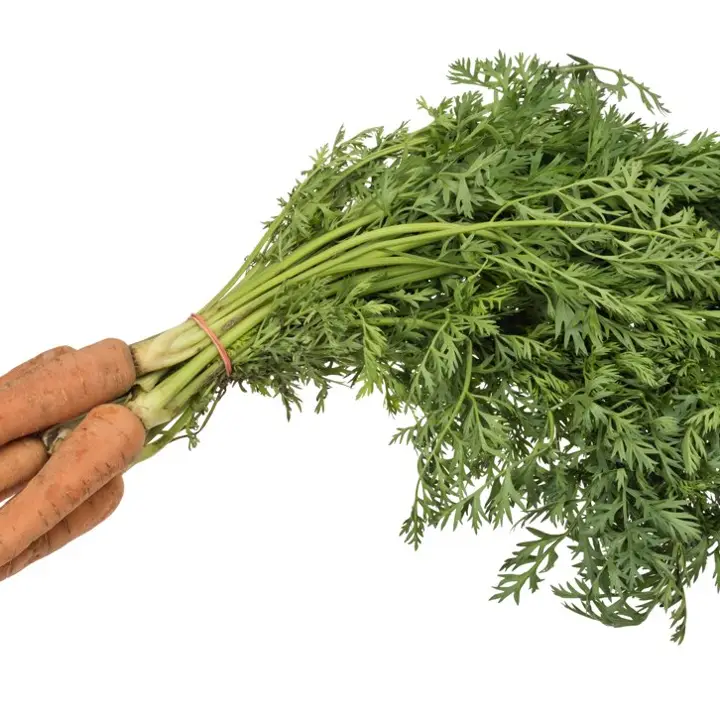
Collards

Brassica oleracea

Cool season
Collards
Photo by شارق کشمیری / CC BY-SA 4.0 / Wikimedia Commons

Zone A (last frost May 10): sow Mar–Sep; plant Mar, and again Apr, and again May, and again Jun, and again Jul, and again Aug, and again Sep.
Zone B (last frost Apr 30): sow Mar–Sep; plant Mar, and again Apr, and again May, and again Jun, and again Jul, and again Aug, and again Sep.
Zone C (last frost Apr 20): sow Mar–Sep; plant Mar, and again Apr, and again May, and again Jun, and again Jul, and again Aug, and again Sep.

Ready in about 65 days from seed, 55 from transplants.

Source: WVU Extension, West Virginia University, Succession Planting; WVU Extension, West Virginia University, West Virginia Garden Guide (crop pages: Growing Basil, Beets, Brussels Sprouts, Carrots, Cauliflower, Garlic, Greens, Kale, Pumpkins, Summer Squash, Sweet Corn, Sweet Lunchbox Peppers in West Virginia). Days to harvest: Ezina crop catalog, from state extension guides.
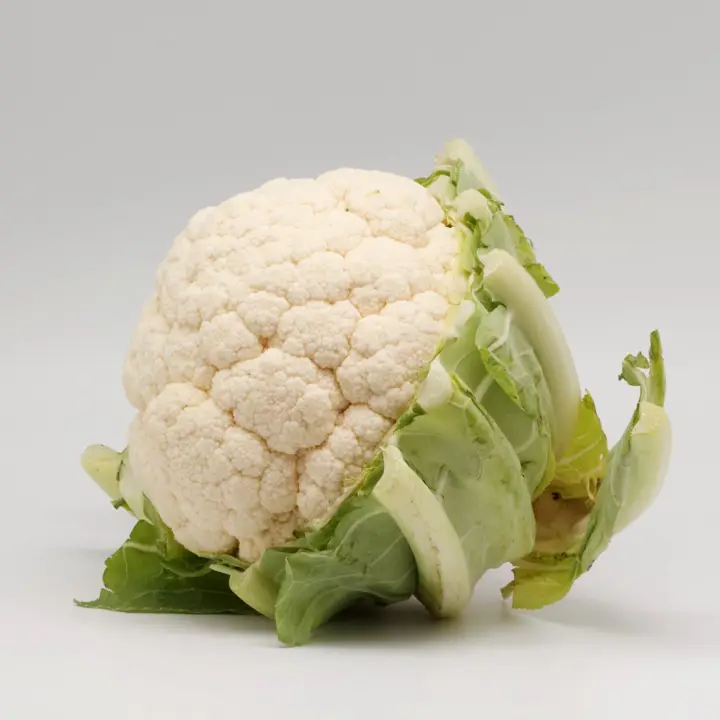
Cucumbers

Cucumis sativus

TenderSuccession sow
Cucumbers
Photo by Stephen Ausmus, USDA ARS / Public domain / Wikimedia Commons

Zone A (last frost May 10): plant May, and again Jun, and again Jul.
Zone B (last frost Apr 30): plant May, and again Jun, and again Jul.
Zone C (last frost Apr 20): plant May, and again Jun, and again Jul.

Ready in about 58 days from seed, 50 from transplants; sow again every 7 weeks. Tender: in spring, from about May 1 in Charleston. If frost is in the forecast, hold off until it passes and nights stay above 36°F.

Source: WVU Extension, West Virginia University, Succession Planting. Days to harvest: Ezina crop catalog, from state extension guides.

Fennel

Foeniculum vulgare

Cool season
Fennel
Photo by Arnaud 25 / Public domain / Wikimedia Commons

Zone A (last frost May 10): plant May, and again Jun, and again Jul.
Zone B (last frost Apr 30): plant May, and again Jun, and again Jul.
Zone C (last frost Apr 20): plant May, and again Jun, and again Jul.

Ready in about 80 days from seed, 70 from transplants.

Source: WVU Extension, West Virginia University, Succession Planting. Days to harvest: Ezina crop catalog, from state extension guides.

Garlic

Allium sativum

Cool seasonOverwinters
Garlic
Photo by Billjones94 / CC BY-SA 4.0 / Wikimedia Commons

Zone A (last frost May 10): plant Oct.
Zone B (last frost Apr 30): plant Oct.
Zone C (last frost Apr 20): plant Oct–Nov.

Ready in about 240 days.

Source: WVU Extension, West Virginia University, West Virginia Garden Guide (crop pages: Growing Basil, Beets, Brussels Sprouts, Carrots, Cauliflower, Garlic, Greens, Kale, Pumpkins, Summer Squash, Sweet Corn, Sweet Lunchbox Peppers in West Virginia). Days to harvest: Ezina crop catalog, from state extension guides.
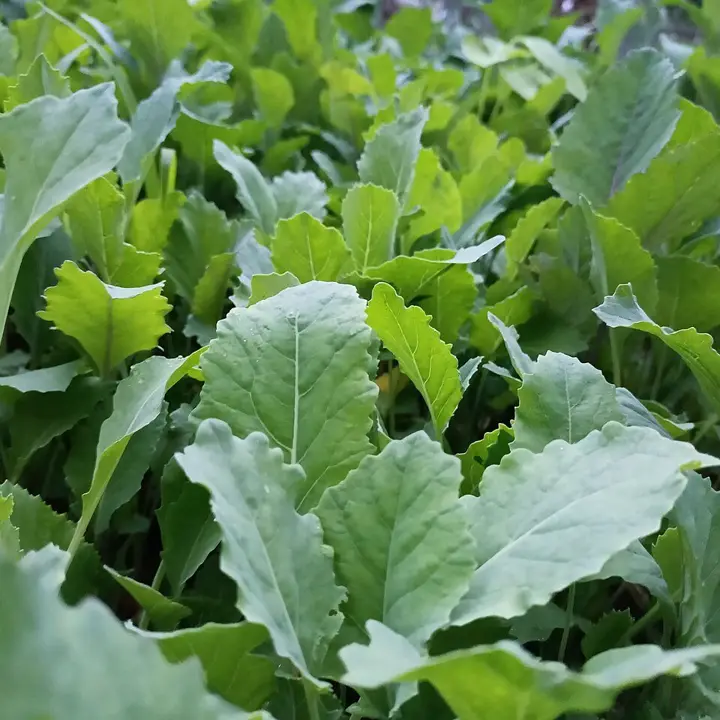
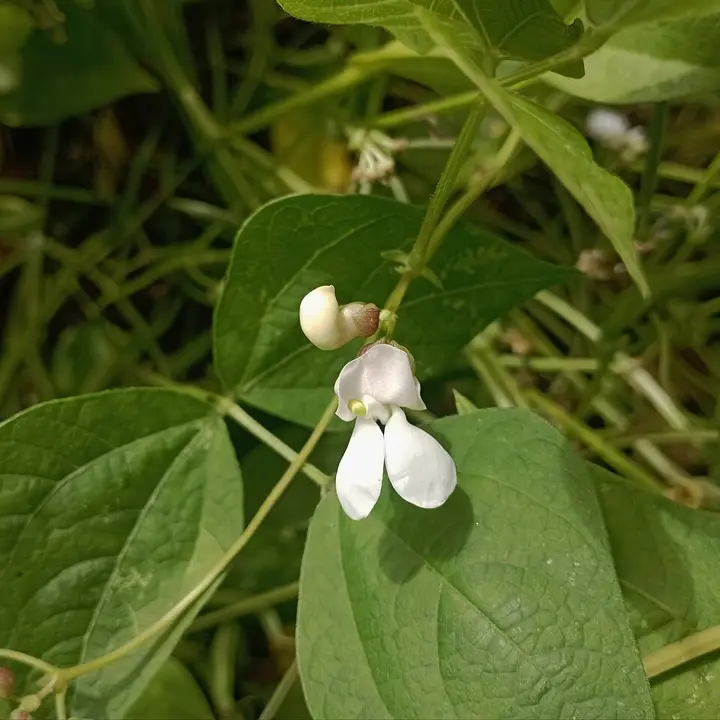
Green beans

Phaseolus vulgaris

TenderSuccession sow
Green beans
Photo by Juan Carlos Fonseca Mata / CC BY-SA 4.0 / Wikimedia Commons

Zone A (last frost May 10): plant May, and again Jun, and again Jul, and again Aug.
Zone B (last frost Apr 30): plant May, and again Jun, and again Jul, and again Aug.
Zone C (last frost Apr 20): plant May, and again Jun, and again Jul, and again Aug.

Ready in about 55 days; sow again every 5 weeks. Tender: in spring, from about May 1 in Charleston. If frost is in the forecast, hold off until it passes and nights stay above 36°F.

Source: WVU Extension, West Virginia University, Succession Planting. Days to harvest: Ezina crop catalog, from state extension guides.

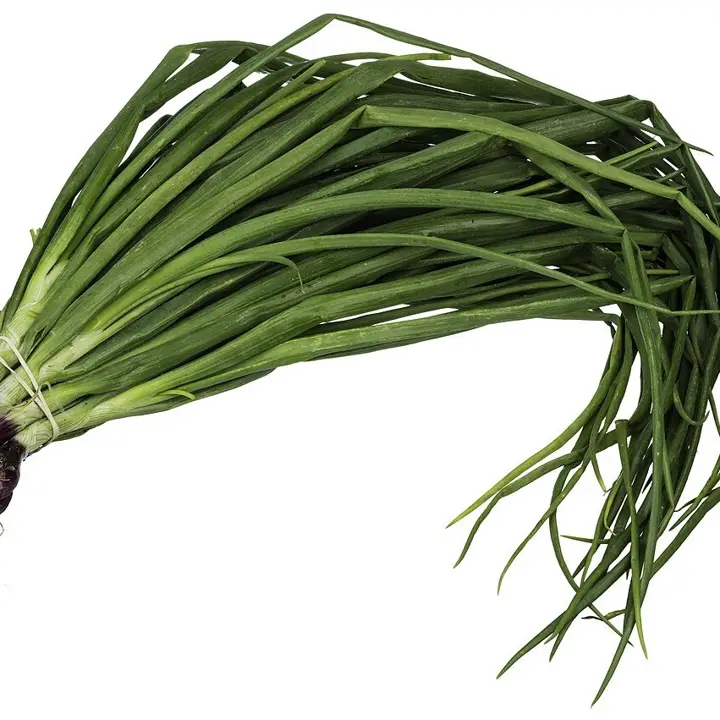
Green onions

Allium fistulosum

Cool seasonSuccession sow
Green onions
Photo by Evan-Amos / Public domain / Wikimedia Commons

Zone A (last frost May 10): plant Mar, and again Apr, and again May, and again Jun, and again Jul, and again Aug, and again Sep, and again Oct.
Zone B (last frost Apr 30): plant Mar, and again Apr, and again May, and again Jun, and again Jul, and again Aug, and again Sep, and again Oct.
Zone C (last frost Apr 20): plant Mar, and again Apr, and again May, and again Jun, and again Jul, and again Aug, and again Sep, and again Oct.

Ready in about 65 days from seed, 50 from transplants; sow again every 6 weeks.

Source: WVU Extension, West Virginia University, Succession Planting. Days to harvest: Ezina crop catalog, from state extension guides.

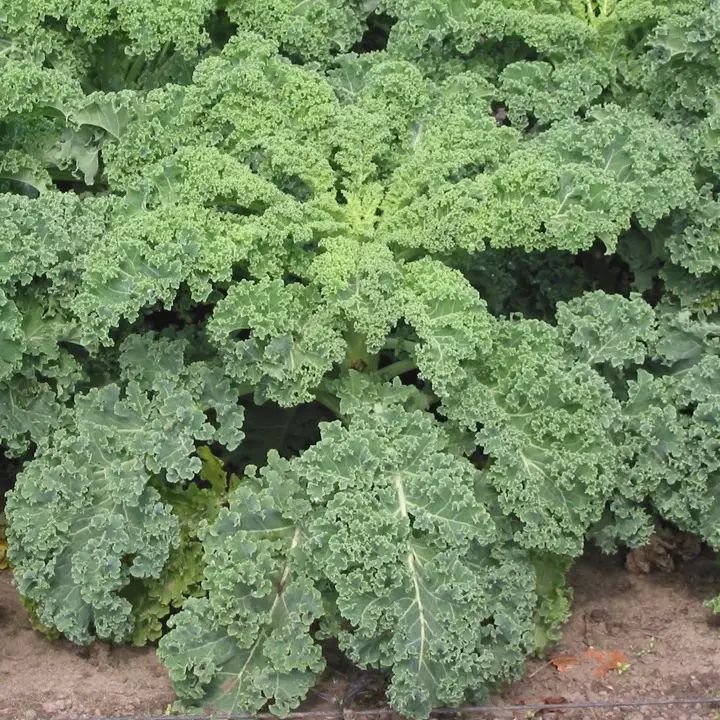
Kale

Brassica oleracea

Cool season
Kale
Photo by Rasbak / CC BY-SA 3.0 / Wikimedia Commons

Zone A (last frost May 10): start seed indoors Feb; plant Mar, and again Apr, and again Jul, and again Sep, and again Oct; set out transplants Mar–Apr, and again Sep–Oct; sow Apr.
Zone B (last frost Apr 30): start seed indoors Feb; plant Mar, and again Apr, and again Jul, and again Sep, and again Oct; set out transplants Mar–Apr, and again Sep–Oct; sow Apr.
Zone C (last frost Apr 20): start seed indoors Feb; plant Mar, and again Apr, and again Jul, and again Sep, and again Oct; set out transplants Mar–Apr, and again Sep–Oct; sow Apr.

Ready in about 60 days from seed, 45 from transplants.

Source: WVU Extension, West Virginia University, Succession Planting; WVU Extension, West Virginia University, West Virginia Garden Guide (crop pages: Growing Basil, Beets, Brussels Sprouts, Carrots, Cauliflower, Garlic, Greens, Kale, Pumpkins, Summer Squash, Sweet Corn, Sweet Lunchbox Peppers in West Virginia). Days to harvest: Ezina crop catalog, from state extension guides.
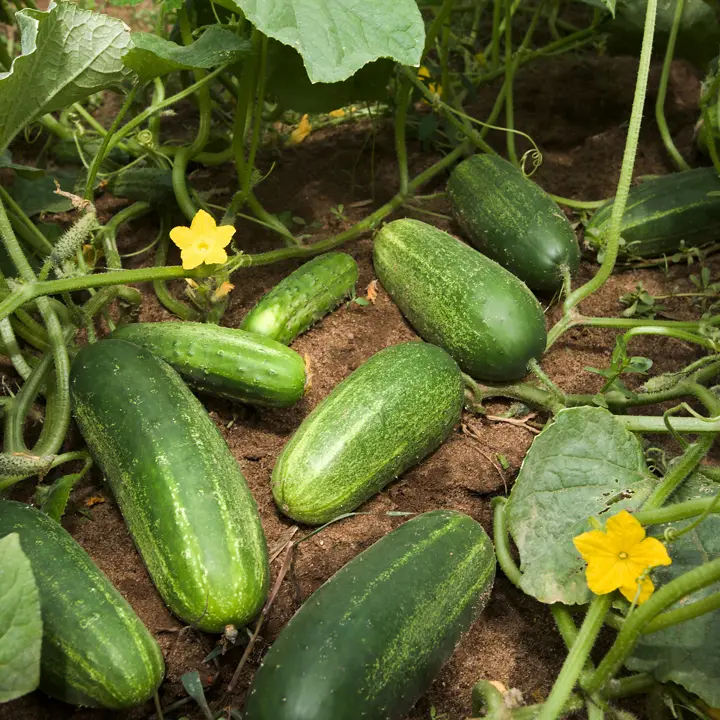
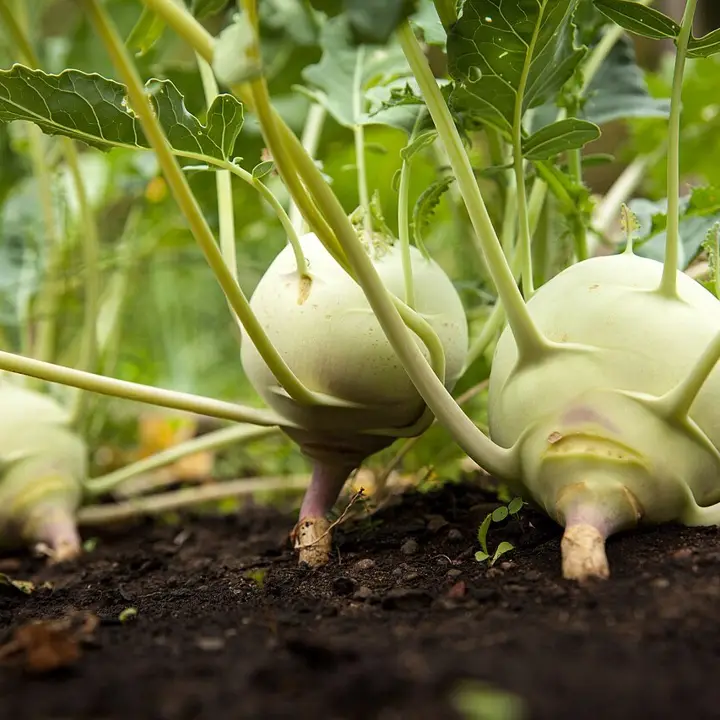
Kohlrabi

Brassica oleracea

Cool season
Kohlrabi
Photo by Unknown author / CC0 / Wikimedia Commons

Zone A (last frost May 10): plant Apr, and again May, and again Jun, and again Jul, and again Aug.
Zone B (last frost Apr 30): plant Apr, and again May, and again Jun, and again Jul, and again Aug.
Zone C (last frost Apr 20): plant Apr, and again May, and again Jun, and again Jul, and again Aug.

Ready in about 55 days from seed, 45 from transplants.

Source: WVU Extension, West Virginia University, Succession Planting. Days to harvest: Ezina crop catalog, from state extension guides.

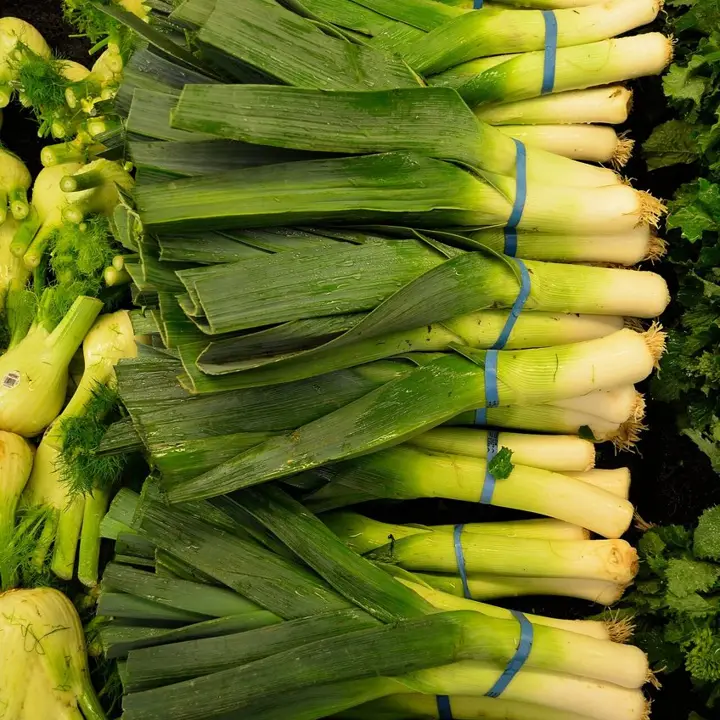
Leeks

Allium ampeloprasum

Cool season
Leeks
Photo by Raysonho / CC0 / Wikimedia Commons

Zone A (last frost May 10): plant Mar, and again Apr, and again May, and again Jun, and again Jul.
Zone B (last frost Apr 30): plant Mar, and again Apr, and again May, and again Jun, and again Jul.
Zone C (last frost Apr 20): plant Mar, and again Apr, and again May, and again Jun, and again Jul.

Ready in about 130 days from seed, 100 from transplants.

Source: WVU Extension, West Virginia University, Succession Planting. Days to harvest: Ezina crop catalog, from state extension guides.

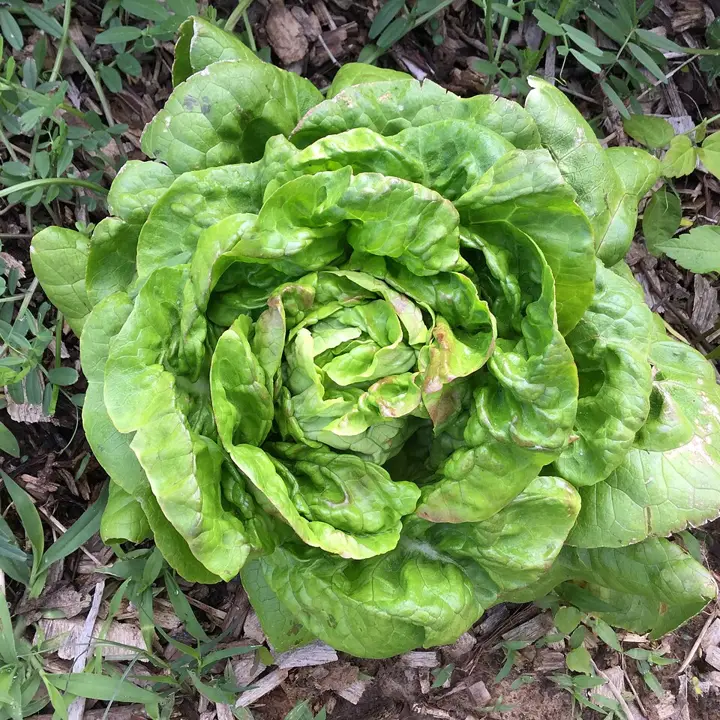
Lettuce

Lactuca sativa

Cool seasonSuccession sow
Lettuce
Photo by Geo Lightspeed7 / CC BY-SA 4.0 / Wikimedia Commons

Zone A (last frost May 10): sow Apr–Oct; plant Apr, and again May, and again Jun, and again Jul, and again Aug, and again Sep, and again Oct.
Zone B (last frost Apr 30): sow Apr–Oct; plant Apr, and again May, and again Jun, and again Jul, and again Aug, and again Sep, and again Oct.
Zone C (last frost Apr 20): sow Apr–Oct; plant Apr, and again May, and again Jun, and again Jul, and again Aug, and again Sep, and again Oct.

Ready in about 65 days from seed, 50 from transplants; sow again every 6 weeks.

Source: WVU Extension, West Virginia University, Succession Planting; WVU Extension, West Virginia University, West Virginia Garden Guide (crop pages: Growing Basil, Beets, Brussels Sprouts, Carrots, Cauliflower, Garlic, Greens, Kale, Pumpkins, Summer Squash, Sweet Corn, Sweet Lunchbox Peppers in West Virginia). Days to harvest: Ezina crop catalog, from state extension guides.
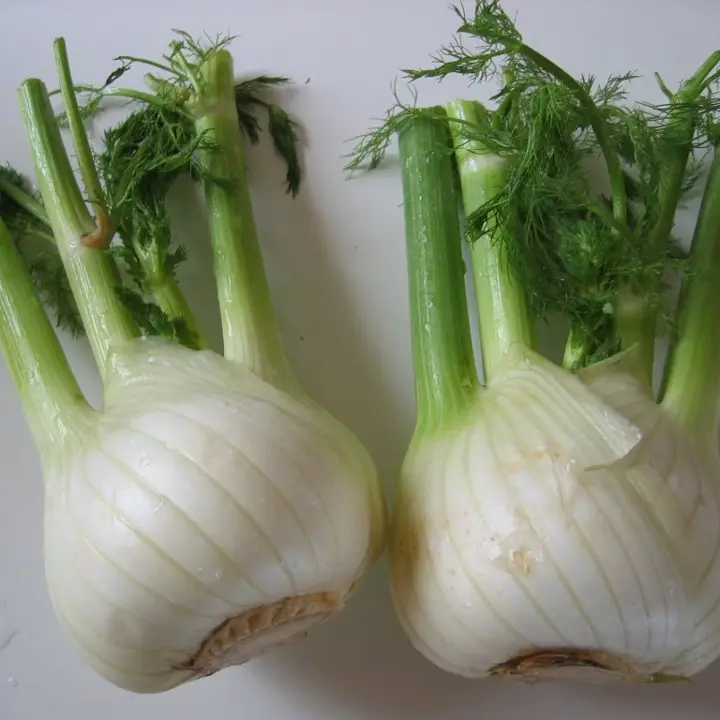
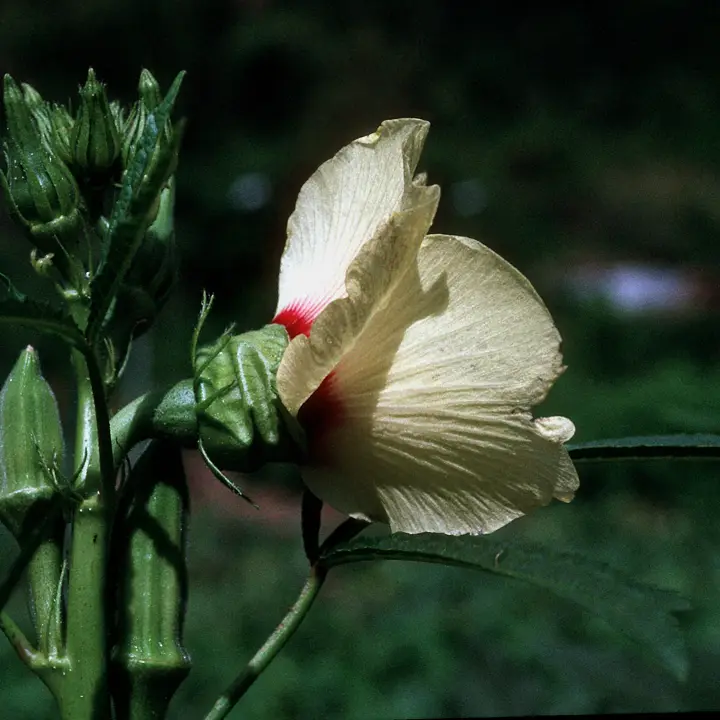
Okra

Abelmoschus esculentus

Tender
Okra
Photo by Pedro Acevedo-Rodriguez / CC0 / Smithsonian Open Access / via USDA PLANTS

Zone A (last frost May 10): plant May, and again Jun.
Zone B (last frost Apr 30): plant May, and again Jun.
Zone C (last frost Apr 20): plant May, and again Jun.

Ready in about 55 days from seed, 45 from transplants. Tender: in spring, from about May 1 in Charleston. If frost is in the forecast, hold off until it passes and nights stay above 36°F.

Source: WVU Extension, West Virginia University, Succession Planting. Days to harvest: Ezina crop catalog, from state extension guides.

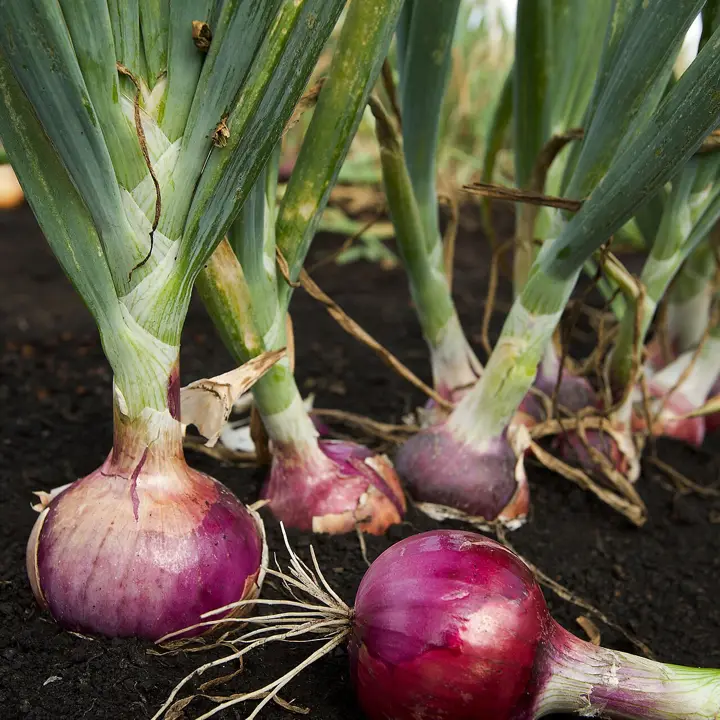
Onions

Allium cepa

Cool season
Onions
Photo by Stephen Ausmus, USDA ARS / Public domain / Wikimedia Commons

Zone A (last frost May 10): plant Apr, and again May.
Zone B (last frost Apr 30): plant Apr, and again May.
Zone C (last frost Apr 20): plant Apr, and again May.

Ready in about 110 days from seed, 95 from transplants.

Source: WVU Extension, West Virginia University, Succession Planting. Days to harvest: Ezina crop catalog, from state extension guides.

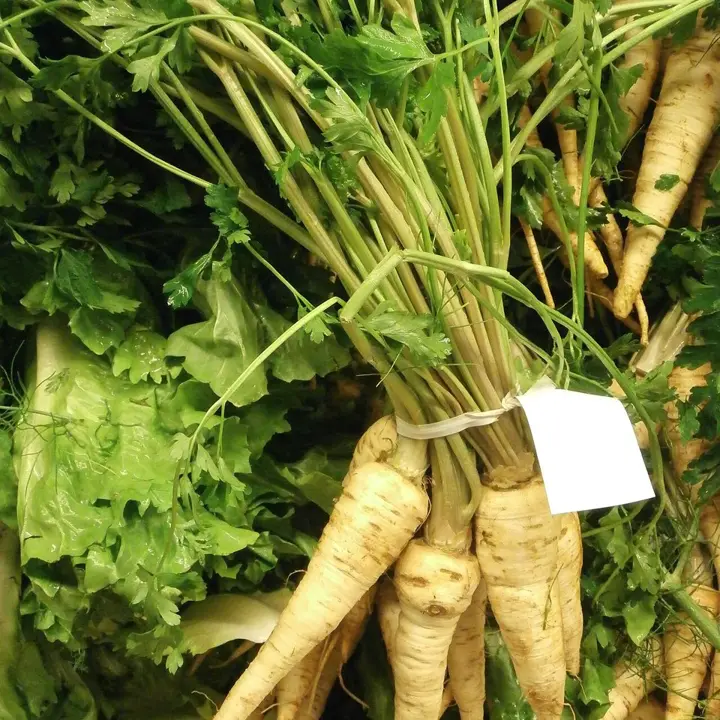
Parsnips

Pastinaca sativa

Cool season
Parsnips
Photo by Jeffery Martin / CC0 / Wikimedia Commons

Zone A (last frost May 10): plant Mar, and again Apr.
Zone B (last frost Apr 30): plant Mar, and again Apr.
Zone C (last frost Apr 20): plant Mar, and again Apr.

Ready in about 120 days.

Source: WVU Extension, West Virginia University, Succession Planting. Days to harvest: Ezina crop catalog, from state extension guides.

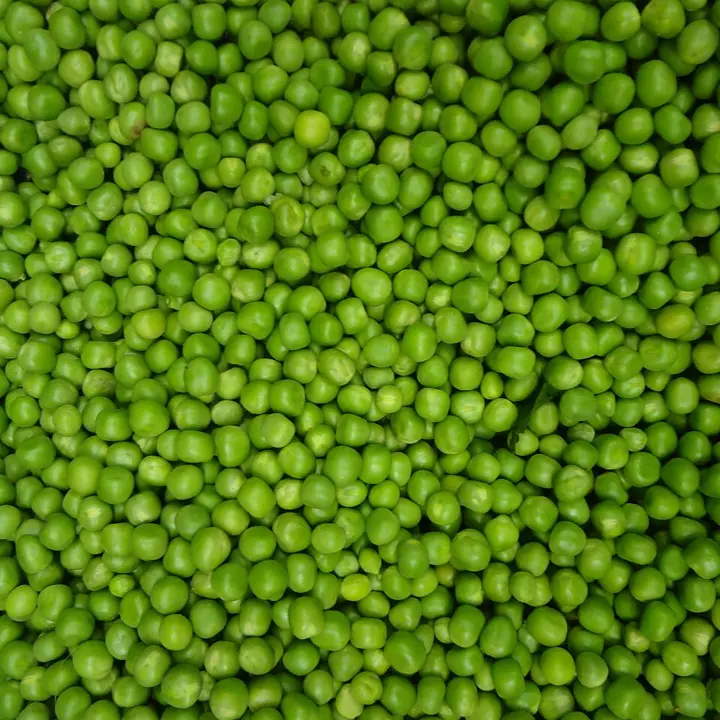
Peas

Pisum sativum

Cool seasonSuccession sow
Peas
Photo by David Adam Kess / CC BY-SA 4.0 / Wikimedia Commons

Zone A (last frost May 10): plant Feb, and again Mar, and again Apr.
Zone B (last frost Apr 30): plant Feb, and again Mar, and again Apr.
Zone C (last frost Apr 20): plant Feb, and again Mar, and again Apr.

Ready in about 65 days; sow again every 5 weeks.

Source: WVU Extension, West Virginia University, Succession Planting. Days to harvest: Ezina crop catalog, from state extension guides.

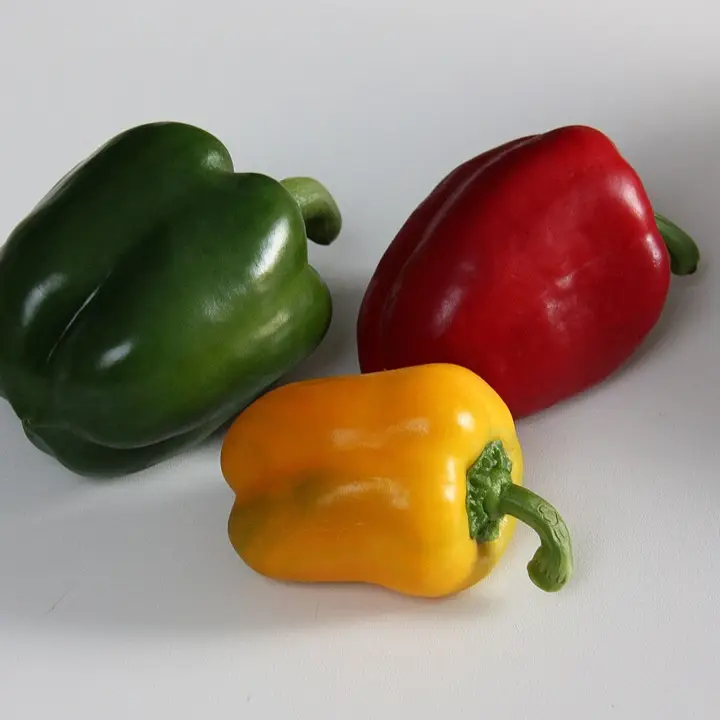
Peppers

Capsicum annuum

Tender
Peppers
Photo by Kham Tran - www.khamtran.com / CC BY-SA 3.0 / Wikimedia Commons

Zone A (last frost May 10): start seed indoors Mar; plant May, and again Jun, and again Jul; set out transplants May.
Zone B (last frost Apr 30): start seed indoors Mar; plant May, and again Jun, and again Jul; set out transplants May.
Zone C (last frost Apr 20): start seed indoors Mar; plant May, and again Jun, and again Jul; set out transplants May.

Ready in about 70 days from transplants. Tender: in spring, from about May 1 in Charleston. If frost is in the forecast, hold off until it passes and nights stay above 36°F.

Source: WVU Extension, West Virginia University, Succession Planting; WVU Extension, West Virginia University, West Virginia Garden Guide (crop pages: Growing Basil, Beets, Brussels Sprouts, Carrots, Cauliflower, Garlic, Greens, Kale, Pumpkins, Summer Squash, Sweet Corn, Sweet Lunchbox Peppers in West Virginia). Days to harvest: Ezina crop catalog, from state extension guides.
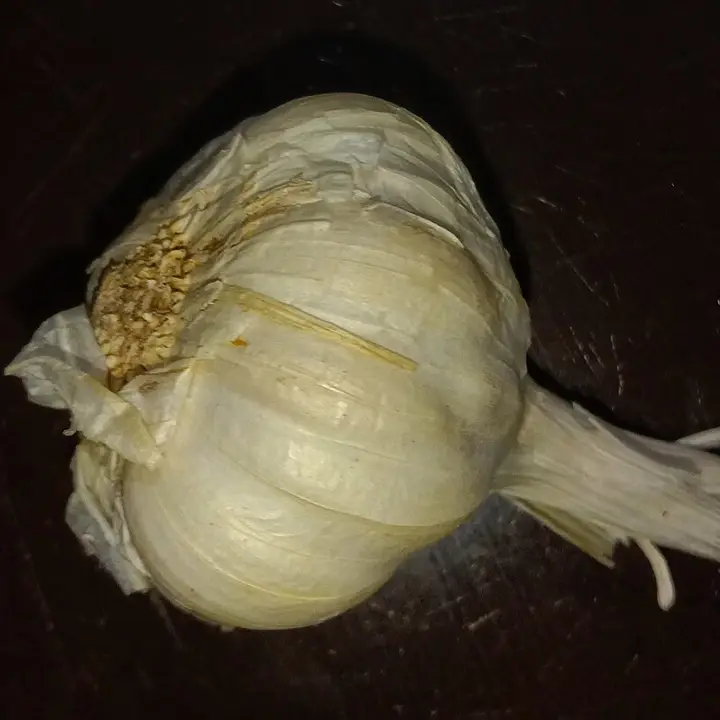
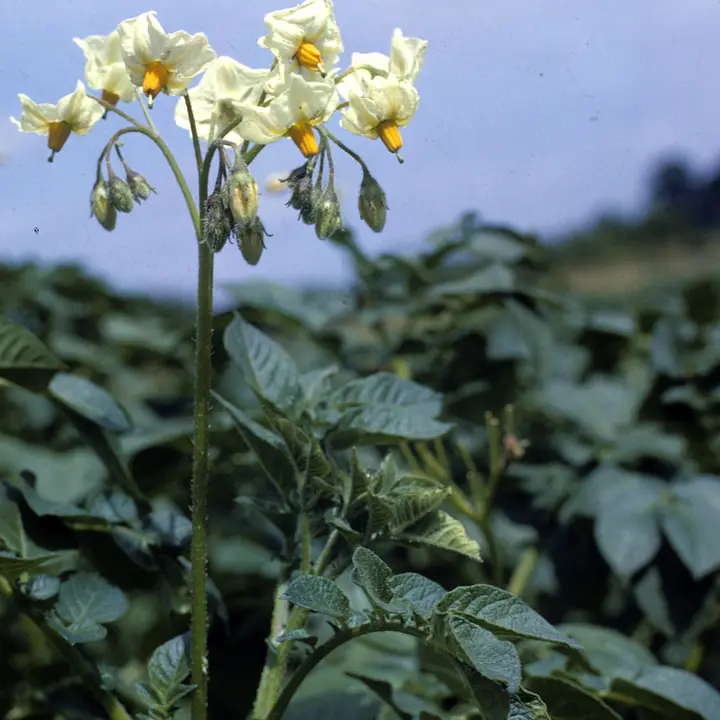
Potatoes

Solanum tuberosum

Cool season
Potatoes
Photo by Howard, R.A / Public domain / Smithsonian Institution, Richard A. Howard Photograph Collection / via USDA PLANTS

Zone A (last frost May 10): plant Mar, and again Apr, and again May, and again Jun.
Zone B (last frost Apr 30): plant Mar, and again Apr, and again May, and again Jun.
Zone C (last frost Apr 20): plant Mar, and again Apr, and again May, and again Jun.

Ready in about 100 days.

Source: WVU Extension, West Virginia University, Succession Planting. Days to harvest: Ezina crop catalog, from state extension guides.

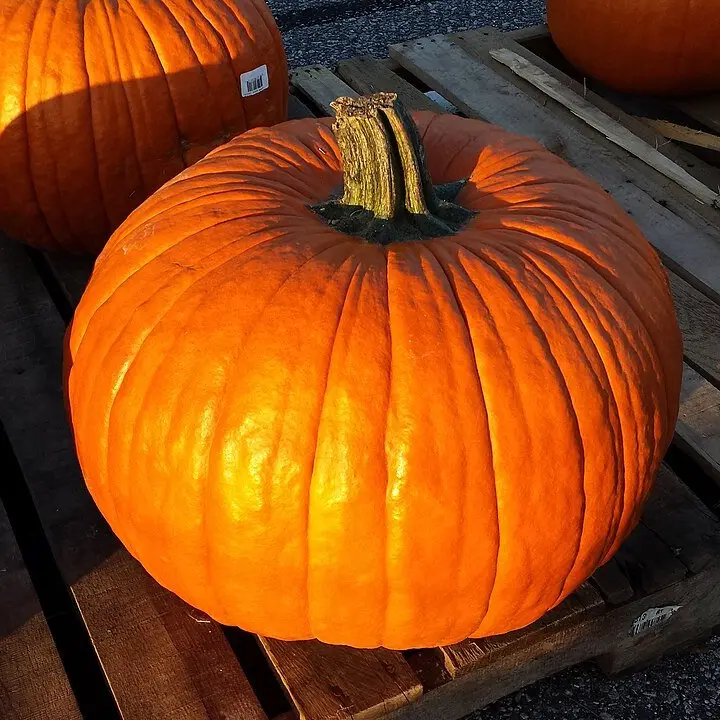
Pumpkins

Cucurbita pepo

Tender
Pumpkins
Photo by HalfGig / CC BY-SA 3.0 / Wikimedia Commons

Zone A (last frost May 10): plant Jun, and again Jul.
Zone B (last frost Apr 30): plant Jun, and again Jul.
Zone C (last frost Apr 20): plant Jun, and again Jul.

Ready in about 110 days from seed, 95 from transplants. Tender: in spring, from about May 1 in Charleston. If frost is in the forecast, hold off until it passes and nights stay above 36°F.

Source: WVU Extension, West Virginia University, Succession Planting; WVU Extension, West Virginia University, West Virginia Garden Guide (crop pages: Growing Basil, Beets, Brussels Sprouts, Carrots, Cauliflower, Garlic, Greens, Kale, Pumpkins, Summer Squash, Sweet Corn, Sweet Lunchbox Peppers in West Virginia). Days to harvest: Ezina crop catalog, from state extension guides.
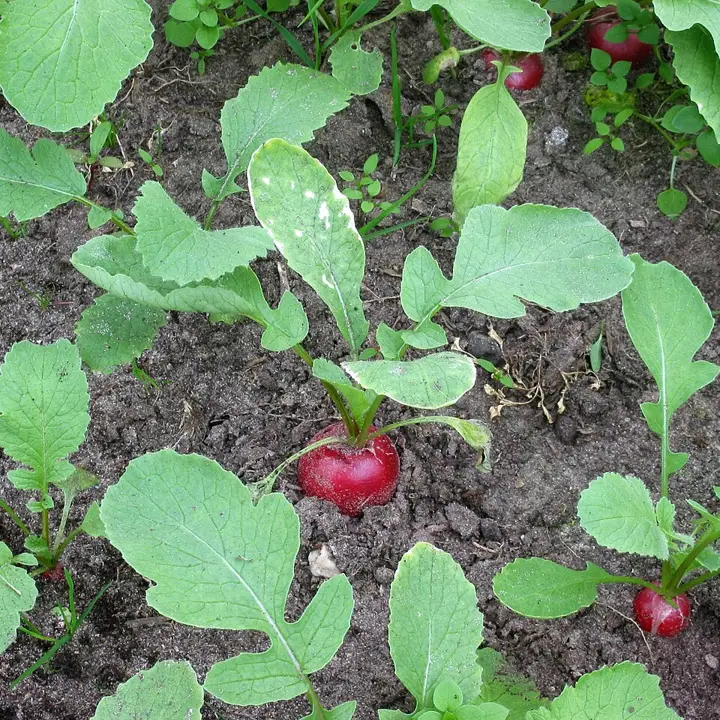
Radishes

Raphanus sativus

Cool seasonSuccession sow
Radishes
Photo by Rasbak / CC BY-SA 3.0 / Wikimedia Commons

Zone A (last frost May 10): plant Mar, and again Apr, and again May, and again Aug, and again Sep, and again Oct.
Zone B (last frost Apr 30): plant Mar, and again Apr, and again May, and again Aug, and again Sep, and again Oct.
Zone C (last frost Apr 20): plant Mar, and again Apr, and again May, and again Aug, and again Sep, and again Oct.

Ready in about 28 days; sow again every 3 weeks.

Source: WVU Extension, West Virginia University, Succession Planting. Days to harvest: Ezina crop catalog, from state extension guides.

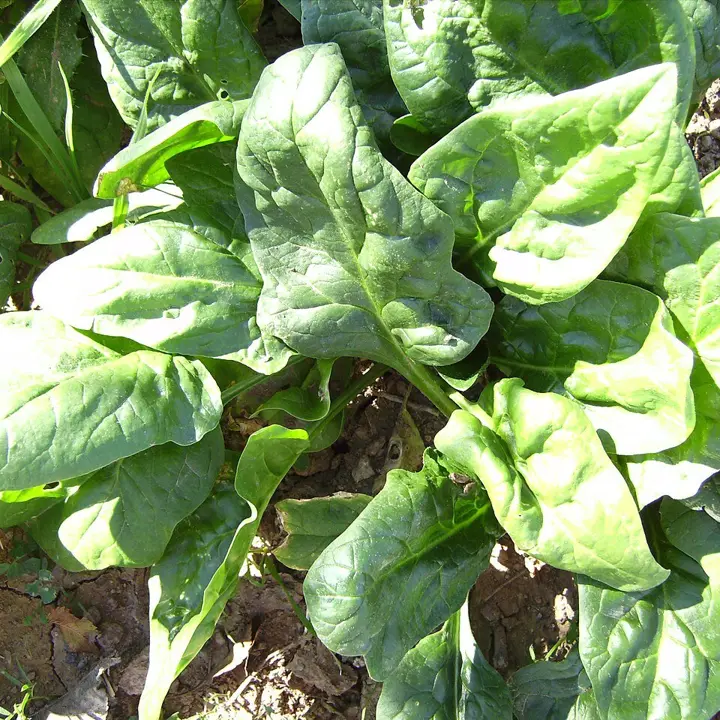
Spinach

Spinacia oleracea

Cool seasonSuccession sow
Spinach
Photo by Victor M. Vicente Selvas / Public domain / Wikimedia Commons

Zone A (last frost May 10): sow Jan–May, and again Aug–Oct; plant Jan, and again Feb, and again Mar, and again Apr, and again May, and again Aug, and again Sep, and again Oct.
Zone B (last frost Apr 30): sow Jan–May, and again Aug–Oct; plant Jan, and again Feb, and again Mar, and again Apr, and again May, and again Aug, and again Sep, and again Oct.
Zone C (last frost Apr 20): sow Jan–May, and again Aug–Oct; plant Jan, and again Feb, and again Mar, and again Apr, and again May, and again Aug, and again Sep, and again Oct.

Ready in about 42 days; sow again every 5 weeks.

Source: WVU Extension, West Virginia University, Succession Planting; WVU Extension, West Virginia University, West Virginia Garden Guide (crop pages: Growing Basil, Beets, Brussels Sprouts, Carrots, Cauliflower, Garlic, Greens, Kale, Pumpkins, Summer Squash, Sweet Corn, Sweet Lunchbox Peppers in West Virginia). Days to harvest: Ezina crop catalog, from state extension guides.
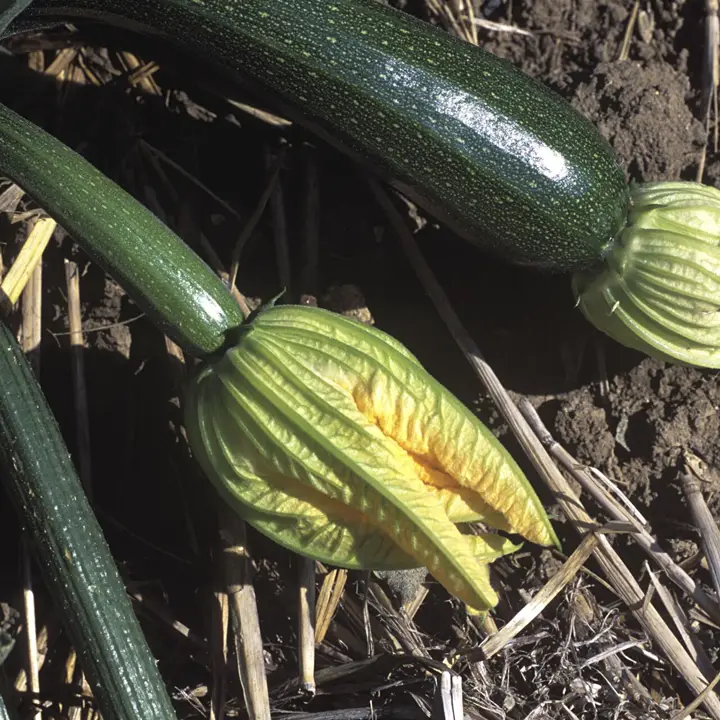
Summer squash

Cucurbita pepo

TenderSuccession sow
Summer squash
Photo by INRA DIST from France / CC BY 2.0 / Wikimedia Commons

Zone A (last frost May 10): plant May, and again May–Jun, and again Jun, and again Jul, and again Aug.
Zone B (last frost Apr 30): plant May, and again May–Jun, and again Jun, and again Jul, and again Aug.
Zone C (last frost Apr 20): plant May, and again May–Jun, and again Jun, and again Jul, and again Aug.

Ready in about 50 days from seed, 40 from transplants; sow again every 7 weeks. Tender: in spring, from about May 1 in Charleston. If frost is in the forecast, hold off until it passes and nights stay above 36°F.

Source: WVU Extension, West Virginia University, Succession Planting; WVU Extension, West Virginia University, West Virginia Garden Guide (crop pages: Growing Basil, Beets, Brussels Sprouts, Carrots, Cauliflower, Garlic, Greens, Kale, Pumpkins, Summer Squash, Sweet Corn, Sweet Lunchbox Peppers in West Virginia). Days to harvest: Ezina crop catalog, from state extension guides.
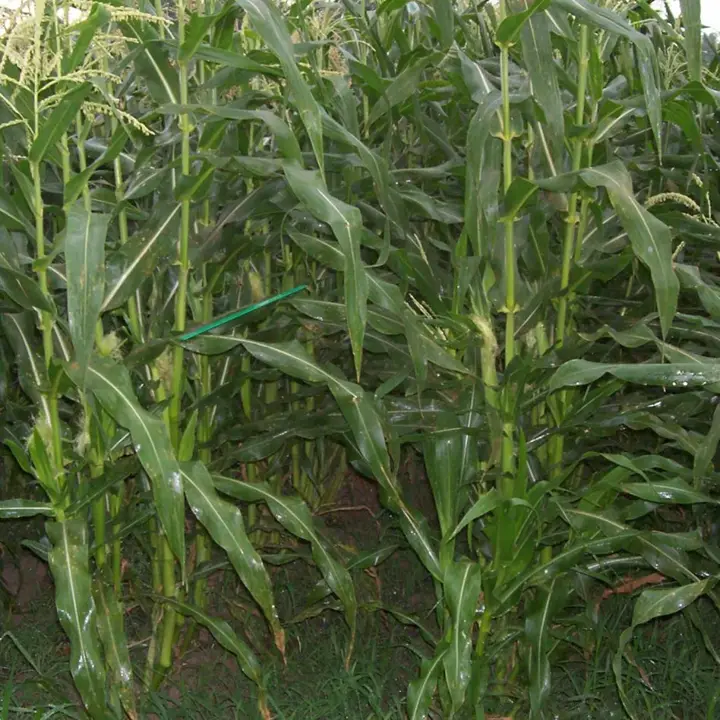
Sweet corn

Zea mays

TenderSuccession sow
Sweet corn
Photo by Royalbroil / CC BY-SA 2.5 / Wikimedia Commons

Zone A (last frost May 10): sow Apr–Jul; plant May, and again Jun, and again Jul.
Zone B (last frost Apr 30): sow Apr–Jul; plant May, and again Jun, and again Jul.
Zone C (last frost Apr 20): sow Apr–Jul; plant May, and again Jun, and again Jul.

Ready in about 78 days; sow again every 6 weeks. Tender: in spring, from about May 1 in Charleston. If frost is in the forecast, hold off until it passes and nights stay above 36°F.

Source: WVU Extension, West Virginia University, Succession Planting; WVU Extension, West Virginia University, West Virginia Garden Guide (crop pages: Growing Basil, Beets, Brussels Sprouts, Carrots, Cauliflower, Garlic, Greens, Kale, Pumpkins, Summer Squash, Sweet Corn, Sweet Lunchbox Peppers in West Virginia). Days to harvest: Ezina crop catalog, from state extension guides.
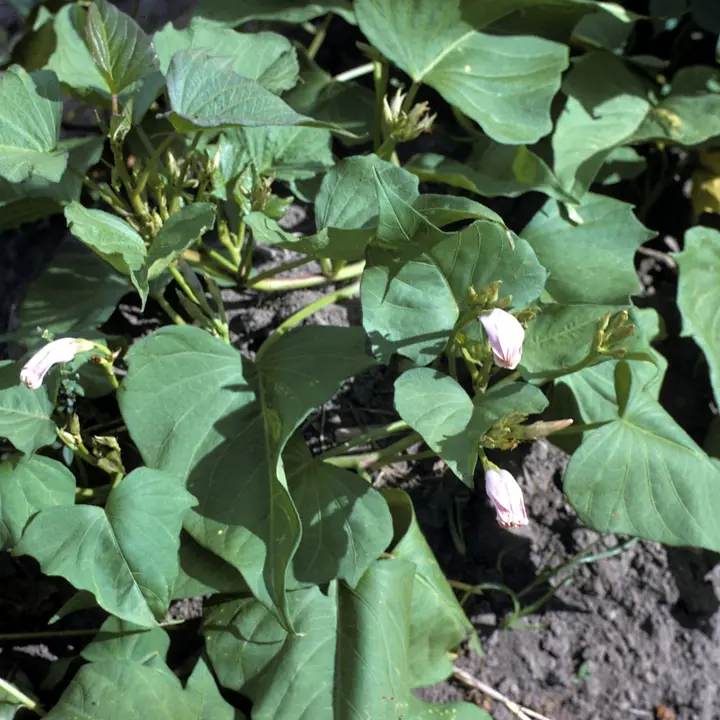
Sweet potatoes

Ipomoea batatas

Tender
Sweet potatoes
Photo by Howard, R.A / Public domain / Smithsonian Institution, Richard A. Howard Photograph Collection / via USDA PLANTS

Zone A (last frost May 10): plant Jun.
Zone B (last frost Apr 30): plant Jun.
Zone C (last frost Apr 20): plant Jun.

Ready in about 100 days from transplants. Tender: in spring, from about May 1 in Charleston. If frost is in the forecast, hold off until it passes and nights stay above 36°F.

Source: WVU Extension, West Virginia University, Succession Planting. Days to harvest: Ezina crop catalog, from state extension guides.

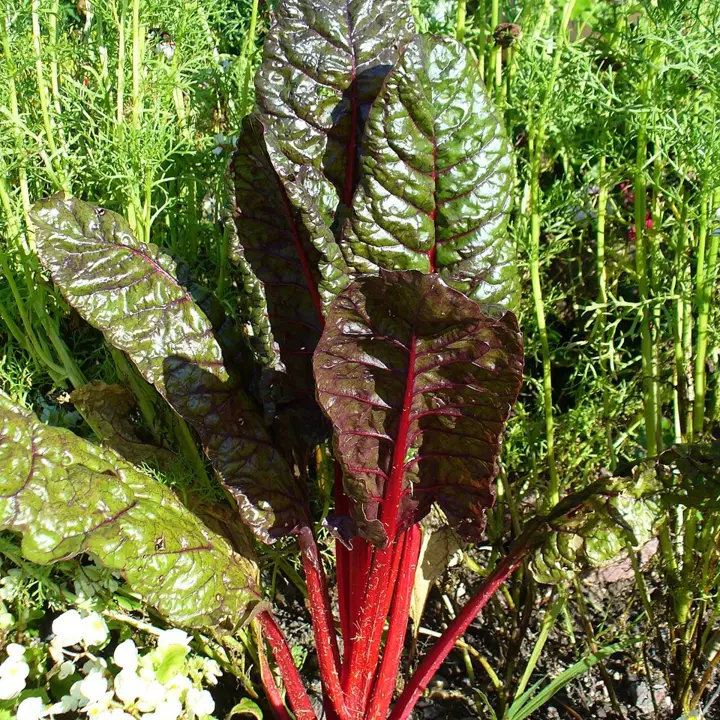
Swiss chard

Beta vulgaris

Cool season
Swiss chard
Photo by Neelix / Public domain / Wikimedia Commons

Zone A (last frost May 10): sow Apr–Oct; plant Apr, and again May, and again Jun, and again Jul, and again Aug, and again Sep, and again Oct.
Zone B (last frost Apr 30): sow Apr–Oct; plant Apr, and again May, and again Jun, and again Jul, and again Aug, and again Sep, and again Oct.
Zone C (last frost Apr 20): sow Apr–Oct; plant Apr, and again May, and again Jun, and again Jul, and again Aug, and again Sep, and again Oct.

Ready in about 55 days from seed, 40 from transplants.

Source: WVU Extension, West Virginia University, Succession Planting; WVU Extension, West Virginia University, West Virginia Garden Guide (crop pages: Growing Basil, Beets, Brussels Sprouts, Carrots, Cauliflower, Garlic, Greens, Kale, Pumpkins, Summer Squash, Sweet Corn, Sweet Lunchbox Peppers in West Virginia). Days to harvest: Ezina crop catalog, from state extension guides.
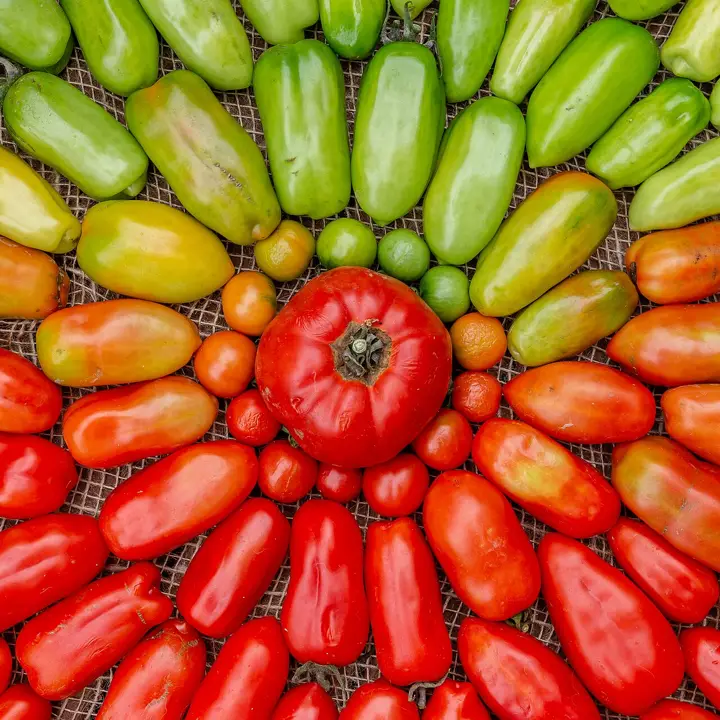
Tomatoes

Solanum lycopersicum

Tender
Tomatoes
Photo by Michal Klajban / CC BY-SA 4.0 / Wikimedia Commons

Zone A (last frost May 10): plant May, and again Jun, and again Jul.
Zone B (last frost Apr 30): plant May, and again Jun, and again Jul.
Zone C (last frost Apr 20): plant May, and again Jun, and again Jul.

Ready in about 75 days from transplants. Tender: in spring, from about May 1 in Charleston. If frost is in the forecast, hold off until it passes and nights stay above 36°F.

Source: WVU Extension, West Virginia University, Succession Planting. Days to harvest: Ezina crop catalog, from state extension guides.
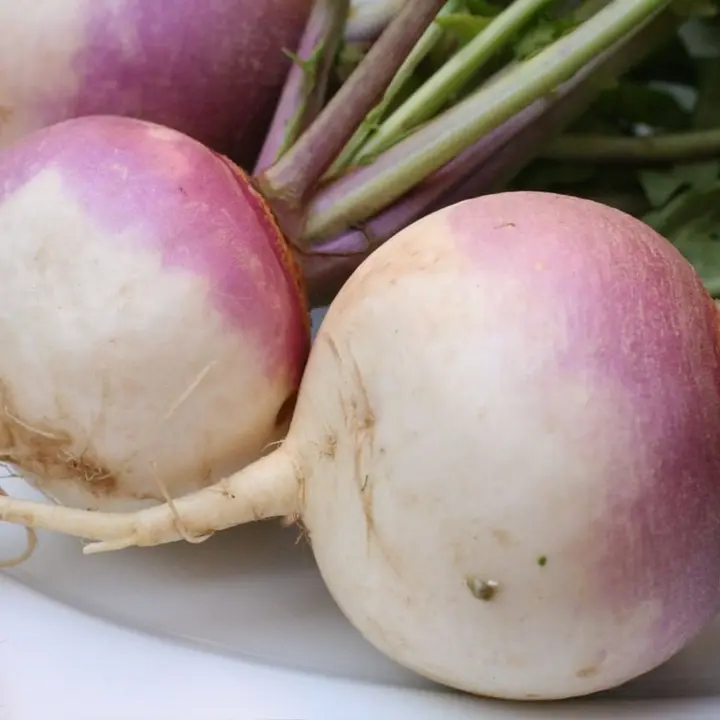
Turnips

Brassica rapa

Cool seasonSuccession sow
Turnips
Photo by thebittenword.com / CC BY 2.0 / Wikimedia Commons

Zone A (last frost May 10): plant Mar, and again Apr, and again May, and again Jun, and again Jul, and again Aug, and again Sep.
Zone B (last frost Apr 30): plant Mar, and again Apr, and again May, and again Jun, and again Jul, and again Aug, and again Sep.
Zone C (last frost Apr 20): plant Mar, and again Apr, and again May, and again Jun, and again Jul, and again Aug, and again Sep.

Ready in about 50 days; sow again every 5 weeks.

Source: WVU Extension, West Virginia University, Succession Planting. Days to harvest: Ezina crop catalog, from state extension guides.
Watermelon

Citrullus lanatus

Tender
Watermelon
Photo by F ASTILY / CC BY-SA 4.0 / Wikimedia Commons

Zone A (last frost May 10): plant May, and again Jun.
Zone B (last frost Apr 30): plant May, and again Jun.
Zone C (last frost Apr 20): plant May, and again Jun.

Ready in about 85 days from seed, 75 from transplants. Tender: in spring, from about May 1 in Charleston. If frost is in the forecast, hold off until it passes and nights stay above 36°F.

Source: WVU Extension, West Virginia University, Succession Planting. Days to harvest: Ezina crop catalog, from state extension guides.
Winter squash

Cucurbita moschata

Tender
Winter squash
Photo by Howard, R.A / Public domain / Smithsonian Institution, Richard A. Howard Photograph Collection / via USDA PLANTS

Zone A (last frost May 10): plant Jun, and again Jul.
Zone B (last frost Apr 30): plant Jun, and again Jul.
Zone C (last frost Apr 20): plant Jun, and again Jul.

Ready in about 95 days from seed, 80 from transplants. Tender: in spring, from about May 1 in Charleston. If frost is in the forecast, hold off until it passes and nights stay above 36°F.

Source: WVU Extension, West Virginia University, Succession Planting. Days to harvest: Ezina crop catalog, from state extension guides.
§ 040 · Questions

Questions about planting in West Virginia

When is the last frost in West Virginia?

On average from about April 12 in Huntington to May 6 in Beckley. Frost is over 9 years in 10 by May 13 to June 1.

When can I plant tomatoes in West Virginia?

The extension service lists May to June. Tomatoes are frost-tender, so Ezina dates them from about May 1 in Charleston. If frost is in the forecast, wait until it passes.

What can I plant in West Virginia in October?

The extension calendar lists garlic, green onions, kale, lettuce, radishes, spinach and more for October.

Is it too late for a fall garden?

The latest fall windows on the calendar close in November. Filter by Fall above to see what is still open.

Why not use my USDA zone?

A zone is the coldest winter night, not a frost date. These dates come from NOAA station records and the extension service.

Can Ezina date plantings for my address?

Yes. Run Ezina Dig on your address and your bed plans are dated from that site's own frost records, on iPhone and Android in the contiguous U.S.

Changes

29 Sept 2026: page published.

Sources

WVU Extension, West Virginia University: West Virginia Garden Guide (crop pages: Growing Basil, Beets, Brussels Sprouts, Carrots, Cauliflower, Garlic, Greens, Kale, Pumpkins, Summer Squash, Sweet Corn, Sweet Lunchbox Peppers in West Virginia).

WVU Extension, West Virginia University: Succession Planting.

NOAA National Centers for Environmental Information, U.S. Climate Normals 1991–2020, station freeze probabilities. U.S. Census Bureau, Vintage 2025 city and town population estimates and 2020 place gazetteer. Days to harvest and re-sowing intervals: Ezina's crop catalog, compiled from state Cooperative Extension guides. Photos: Wikimedia Commons and USDA PLANTS, credited under each photo. Checked Sept 2026.