
§ Toxic plants · 11 plants · Checked Oct 2026
Holiday plants toxic to cats and dogs
Plants bought and given from Thanksgiving to Valentine's Day, when they come into the house all at once. The ASPCA Animal Poison Control Center lists all 11 as toxic to cats and dogs; each one below has the signs to watch for and a severity rating from Plant Smart.
Get a permanent discount if you join Early Access. iPhone and Android, in the contiguous U.S.
§ 010 · The list
Every plant on this list
| Plant | Cats | Dogs | Severity |
|---|---|---|---|
| Amaryllis Amaryllis spp. | Toxic | Toxic | Moderate |
| American holly Ilex opaca | Toxic | Toxic | Mild |
| American mistletoe Phoradendron flavescens | Toxic | Toxic | Moderate |
| Christmas-rose Helleborus niger | Toxic | Toxic | Moderate |
| European holly Ilex aquifolium | Toxic | Toxic | Mild |
| Hollies Ilex spp. | Toxic | Toxic | Mild |
| Jerusalem cherry Solanum pseudocapsicum | Toxic | Toxic | Severe |
| Leafy mistletoes Phoradendron spp. | Toxic | Toxic | Moderate |
| Poinsettia Euphorbia pulcherrima | Toxic | Toxic | Moderate |
| South American amaryllis Hippeastrum spp. | Toxic | Toxic | Severe |
| Sowbread Cyclamen spp. | Toxic | Toxic | Critical |
§ 020 · If it happened
What to do if your pet ate one
Call your vet or a pet poison hotline straight away, even if your pet seems fine: the ASPCA Animal Poison Control Center, (888) 426-4435, or Pet Poison Helpline, (855) 764-7661. Both are open 24 hours and charge a fee. Have the plant or a photo of it to hand, and don’t make your pet vomit unless a vet tells you to.
§ 030 · Plant by plant
Plant by plant
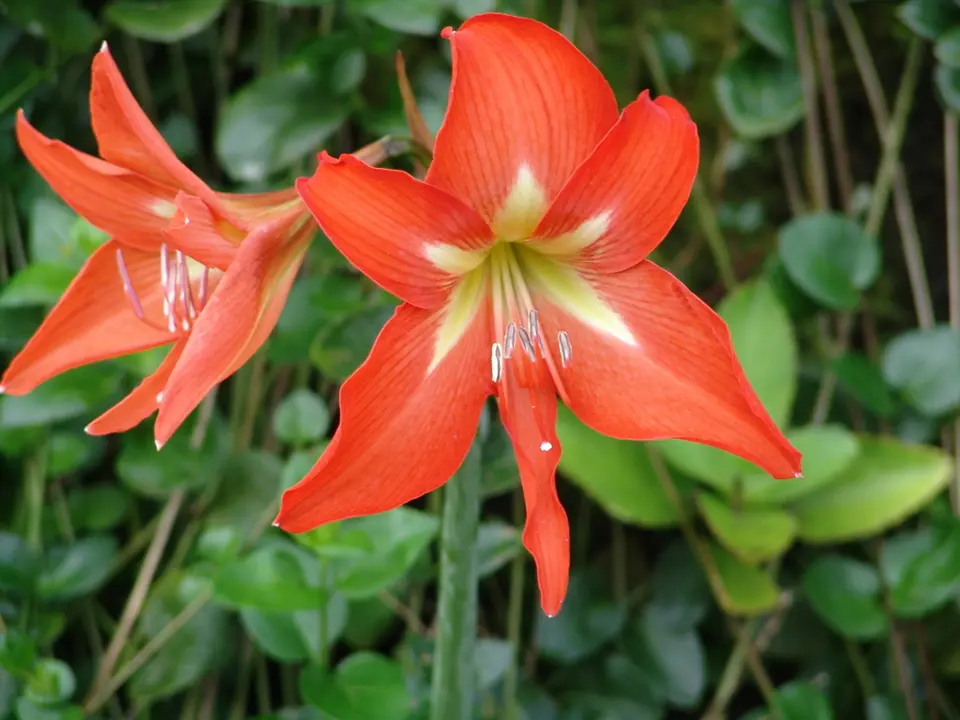
Is amaryllis toxic to cats and dogs?
Yes. Amaryllis (Amaryllis spp.) is toxic to cats and dogs, according to the ASPCA Animal Poison Control Center. Plant Smart rates its effects Moderate, level 2 of 4. Signs include vomiting, dullness or depression, diarrhea, belly pain, drooling, loss of appetite and tremors. Read the full page on amaryllis.
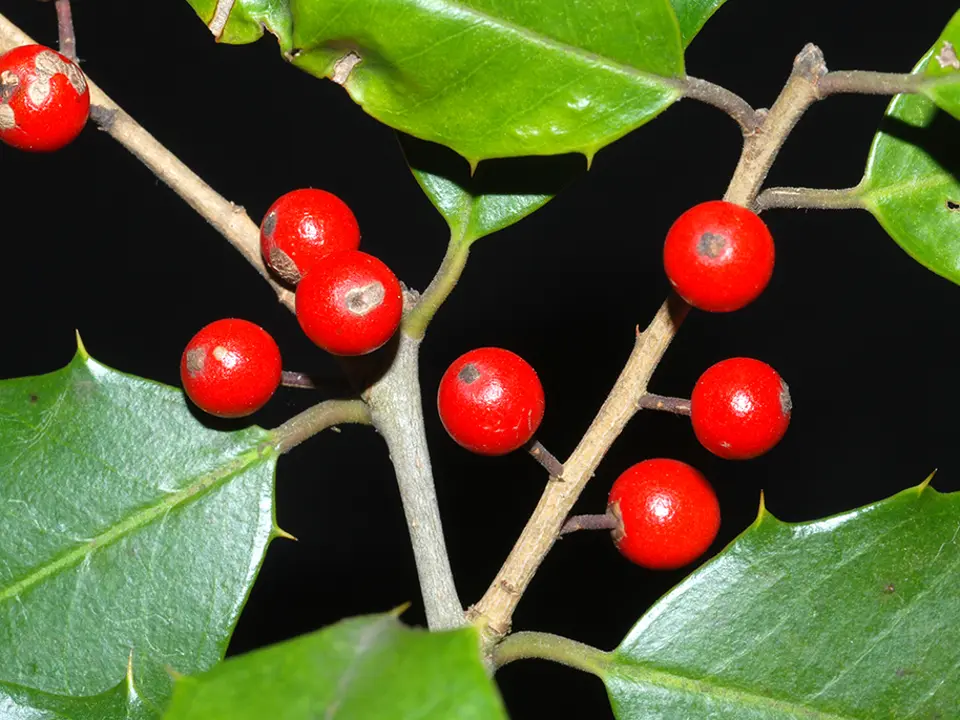
Is American holly toxic to cats and dogs?
Yes. American holly (Ilex opaca) is toxic to cats and dogs, according to the ASPCA Animal Poison Control Center. Plant Smart rates its effects Mild, level 1 of 4. Signs include vomiting, diarrhea and dullness or depression. Also called scrub holly.
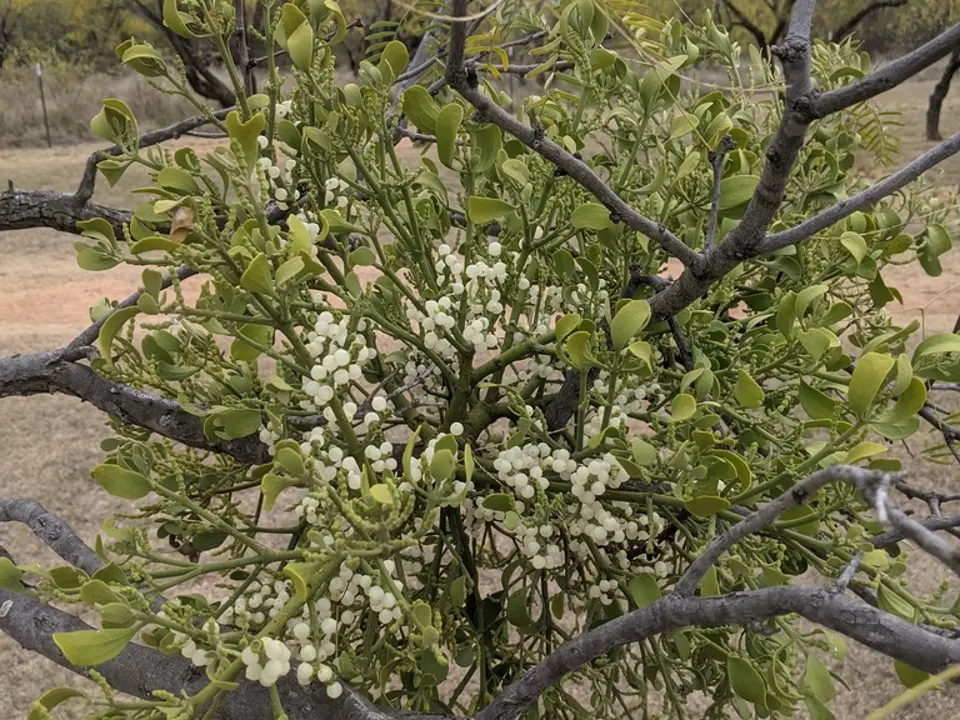
Is American mistletoe toxic to cats and dogs?
Yes. American mistletoe (Phoradendron flavescens) is toxic to cats and dogs, according to the ASPCA Animal Poison Control Center. Plant Smart rates its effects Moderate, level 2 of 4. Signs include vomiting, diarrhea, low blood pressure, trouble breathing and slow heartbeat.
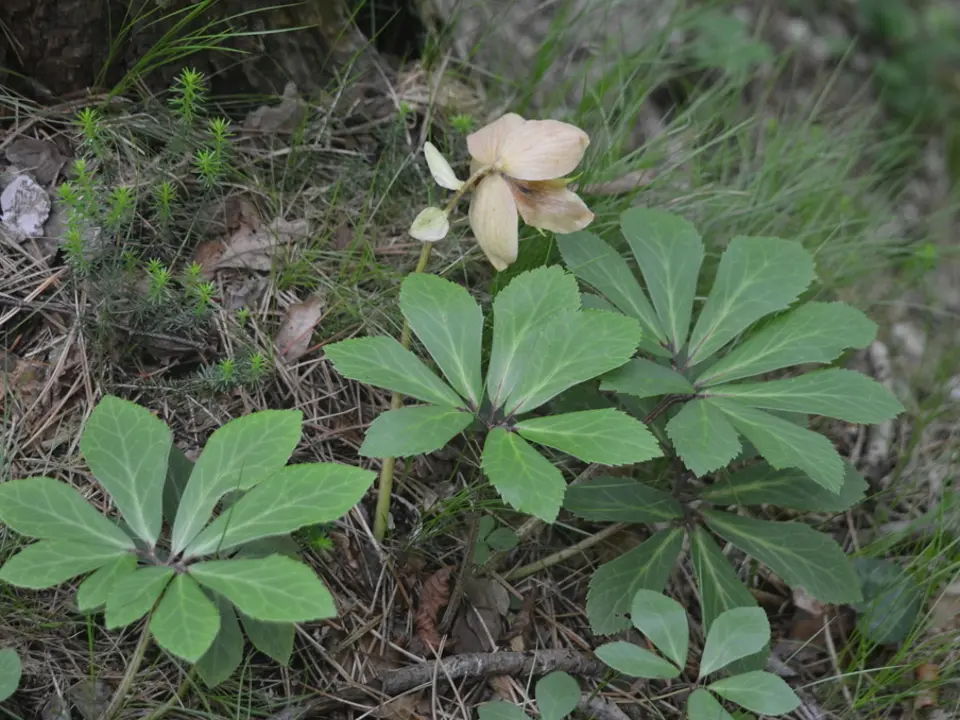
Is Christmas-rose toxic to cats and dogs?
Yes. Christmas-rose (Helleborus niger) is toxic to cats and dogs, according to the ASPCA Animal Poison Control Center. Plant Smart rates its effects Moderate, level 2 of 4. Signs include drooling, belly pain, diarrhea and dullness or depression. Also called black hellebore.
.jpg)
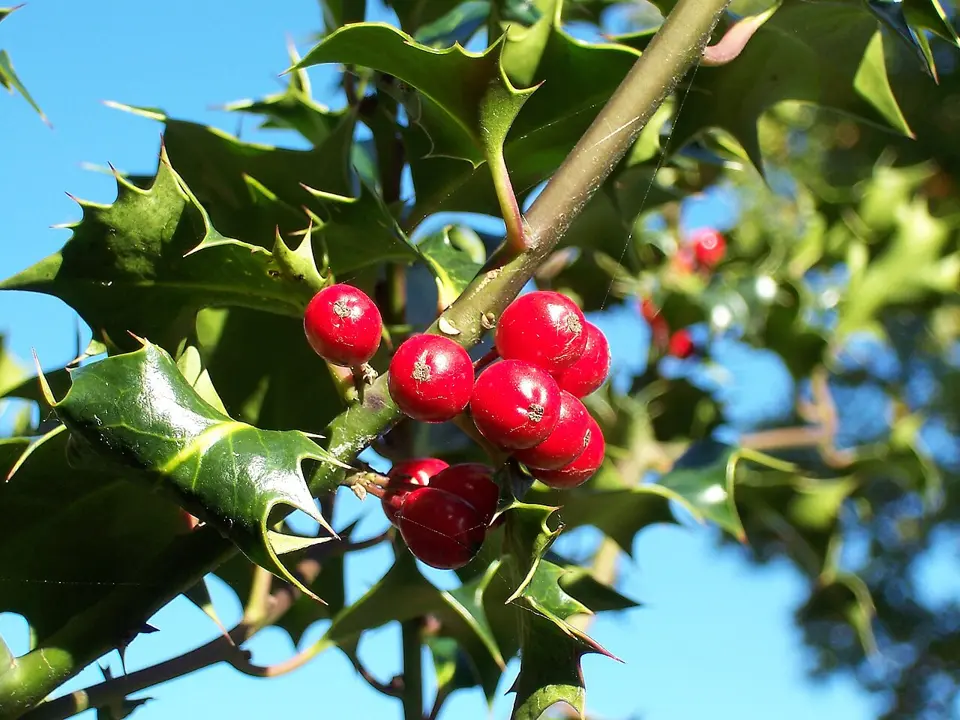
Is European holly toxic to cats and dogs?
Yes. European holly (Ilex aquifolium) is toxic to cats and dogs, according to the ASPCA Animal Poison Control Center. Plant Smart rates its effects Mild, level 1 of 4. Signs include vomiting, diarrhea and dullness or depression.
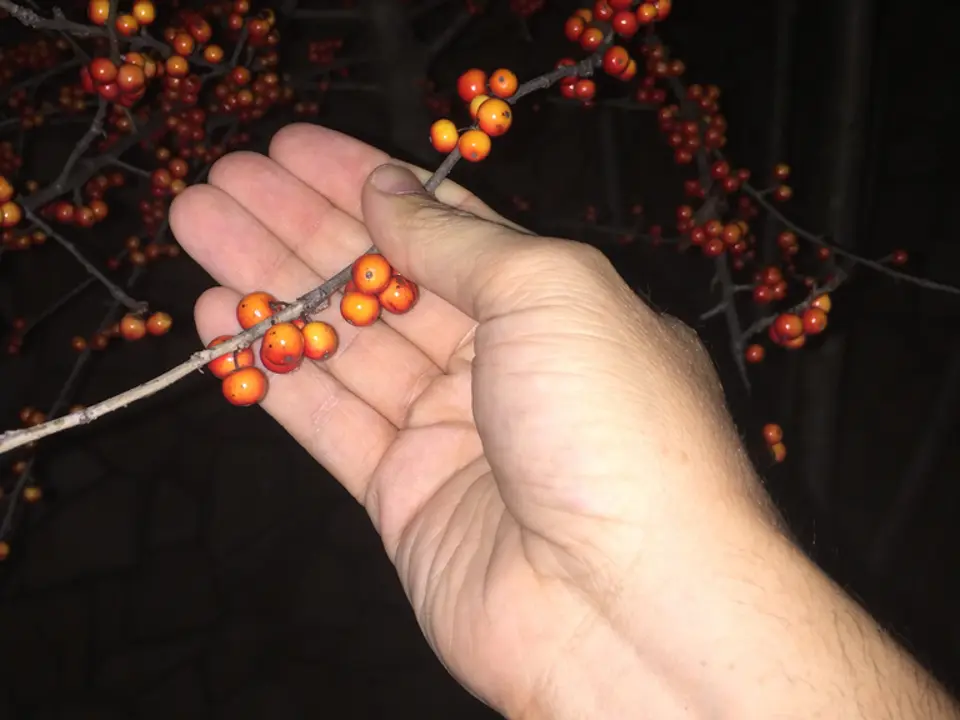
Are hollies toxic to cats and dogs?
Yes. Hollies (Ilex spp.) are toxic to cats and dogs, according to the ASPCA Animal Poison Control Center. Plant Smart rates their effects Mild, level 1 of 4. Signs include vomiting, diarrhea and dullness or depression.
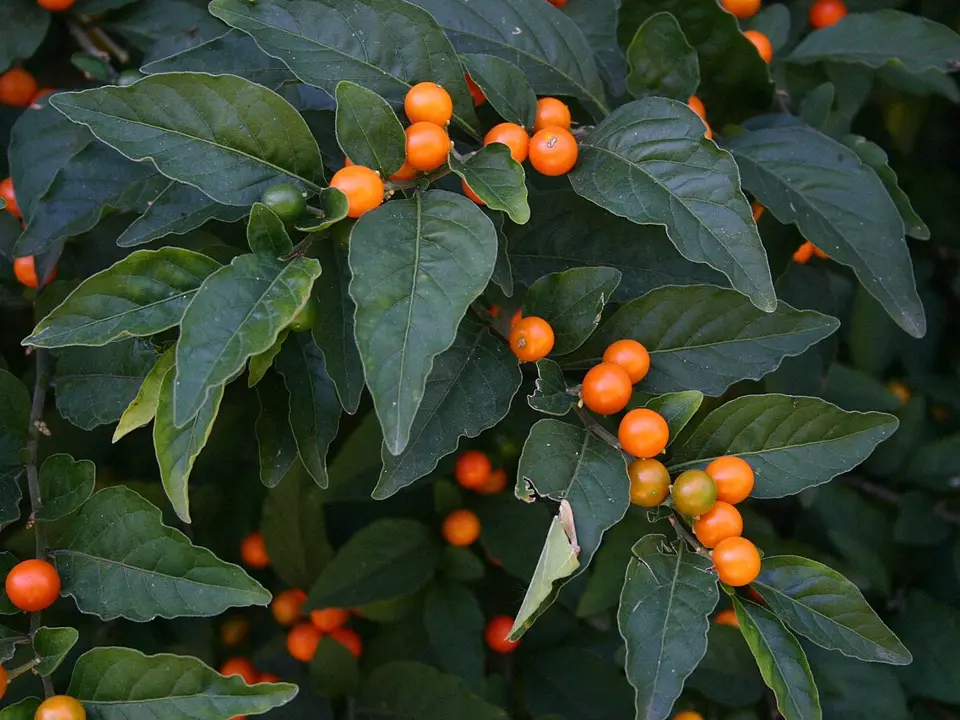

Is Jerusalem cherry toxic to cats and dogs?
Yes. Jerusalem cherry (Solanum pseudocapsicum) is toxic to cats and dogs, according to the ASPCA Animal Poison Control Center. Plant Smart rates its effects Severe, level 3 of 4. Signs include belly pain, seizures, dullness or depression, slow, shallow breathing and shock.
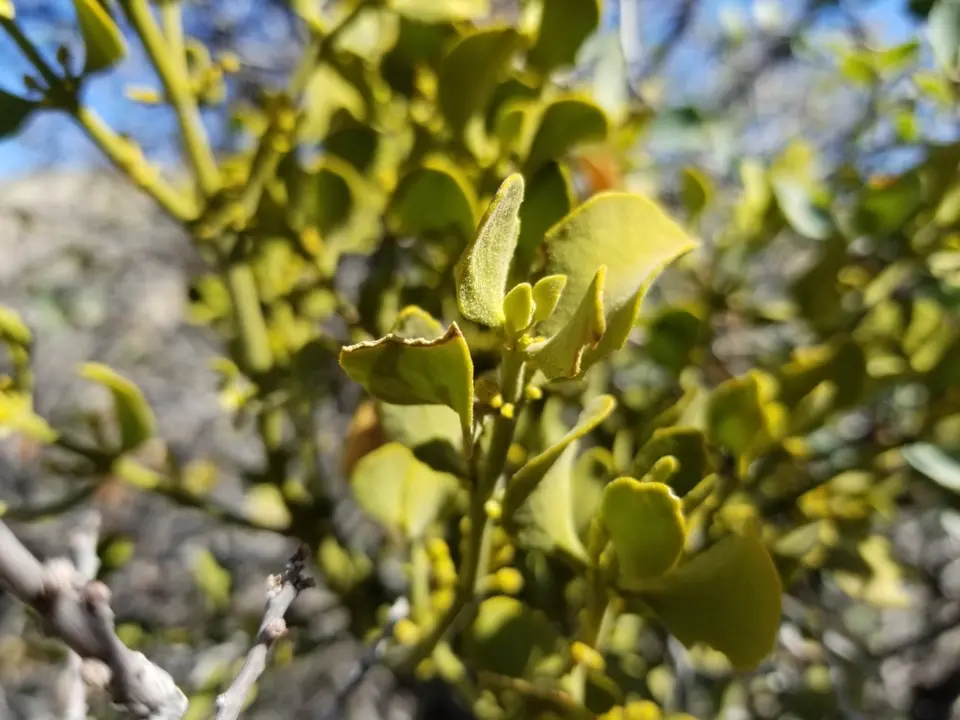
Are leafy mistletoes toxic to cats and dogs?
Yes. Leafy mistletoes (Phoradendron spp.) are toxic to cats and dogs, according to the ASPCA Animal Poison Control Center. Plant Smart rates their effects Moderate, level 2 of 4. Signs include vomiting, diarrhea, low blood pressure, trouble breathing and slow heartbeat.
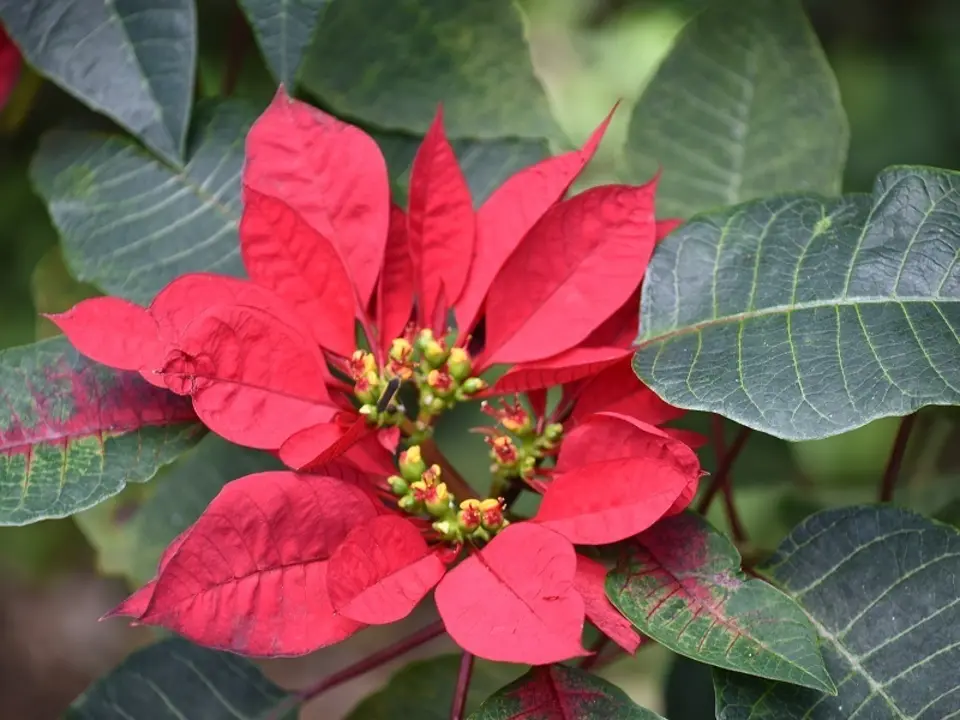
Is poinsettia toxic to cats and dogs?
Yes. Poinsettia (Euphorbia pulcherrima) is toxic to cats and dogs, according to the ASPCA Animal Poison Control Center. Plant Smart rates its effects Moderate, level 2 of 4. Signs include mouth irritation, vomiting, diarrhea, belly pain and drooling. Read the full page on poinsettia.
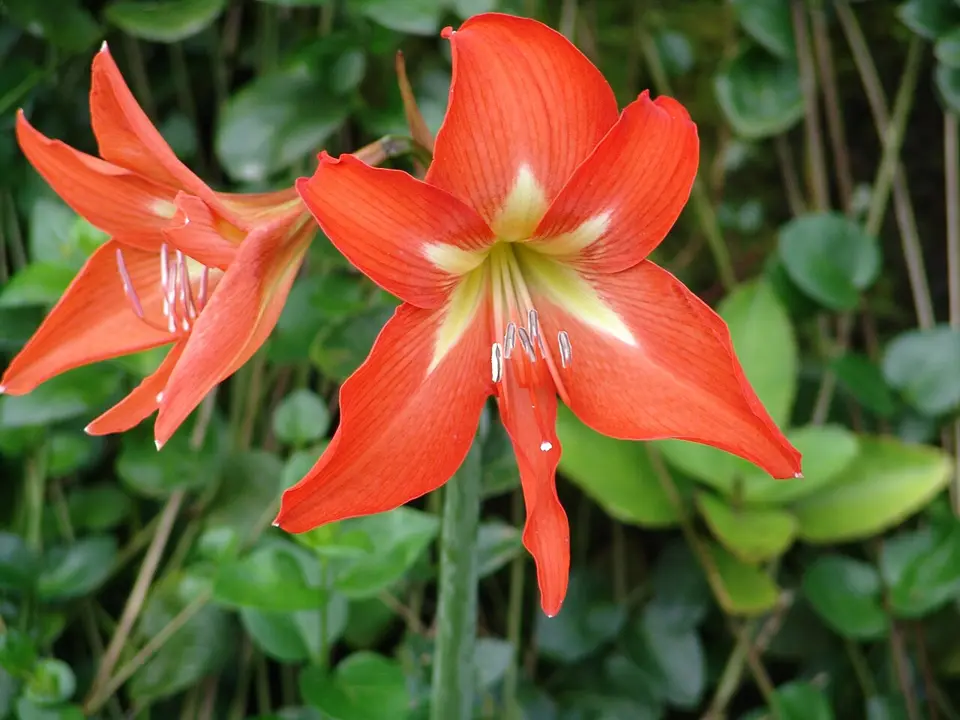

Is South American amaryllis toxic to cats and dogs?
Yes. South American amaryllis (Hippeastrum spp.) is toxic to cats and dogs, according to the ASPCA Animal Poison Control Center. Plant Smart rates its effects Severe, level 3 of 4. Signs include vomiting, drooling, diarrhea, seizures, low blood pressure, tremors and irregular heartbeat.
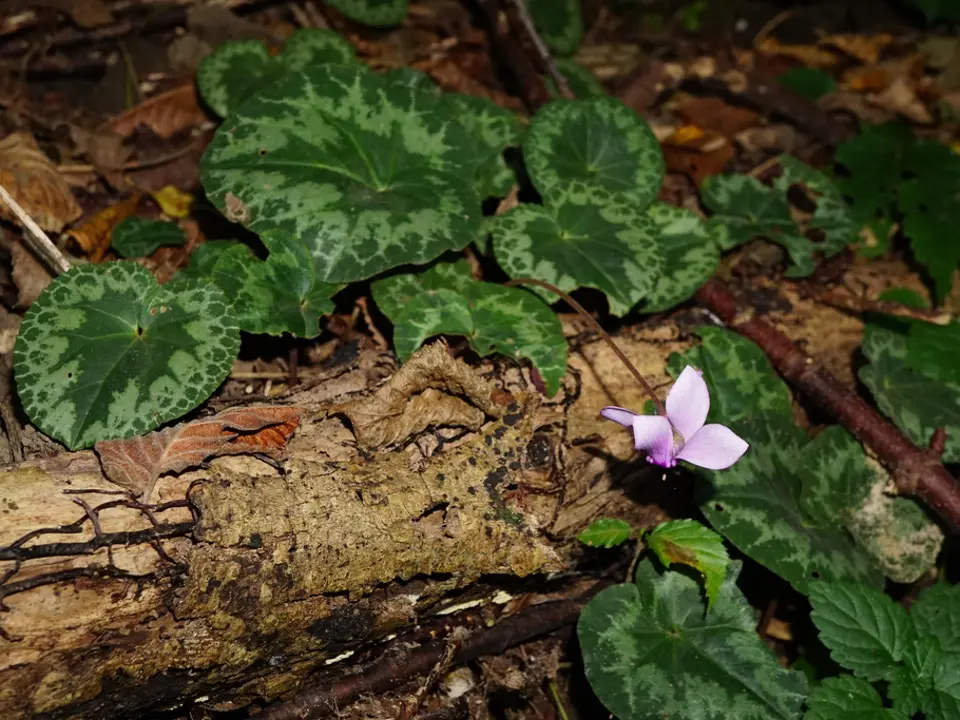
Is sowbread toxic to cats and dogs?
Yes. Sowbread (Cyclamen spp.) is toxic to cats and dogs, according to the ASPCA Animal Poison Control Center. Plant Smart rates its effects Critical, level 4 of 4. Signs include drooling, vomiting, diarrhea, seizures and irregular heartbeat. Eaten in quantity, it can be fatal.
§ 040 · Questions
Questions about holiday plants toxic to cats and dogs
Which of these are the most dangerous?
Plant Smart rates Sowbread Critical, the highest of its four levels.
What should I do if my pet ate one?
Call your vet or a pet poison hotline right away, even before signs appear: the ASPCA Animal Poison Control Center at (888) 426-4435, or Pet Poison Helpline at (855) 764-7661. Both charge a fee. Have the plant, or a photo of it, to hand.
Where does this list come from?
From the ASPCA Animal Poison Control Center's plant list, by way of Plant Smart, which adds a four-level severity rating.
Is a plant missing from this list safe?
Not necessarily. A plant can be missing because nobody has reported a case. Call your vet if your pet eats any plant and seems unwell.