
§ Toxic plants · 46 plants · Checked Oct 2026
Wild plants and weeds toxic to cats and dogs
Plants that turn up on their own in yards, fields, ditches and woods. The ASPCA Animal Poison Control Center lists all 46 as toxic to cats and dogs; each one below has the signs to watch for and a severity rating from Plant Smart.
Get a permanent discount if you join Early Access. iPhone and Android, in the contiguous U.S.
§ 010 · The list
Every plant on this list
| Plant | Cats | Dogs | Severity |
|---|---|---|---|
| American bittersweet Celastrus scandens | Toxic | Toxic | Severe |
| Aspen fleabane Erigeron speciosus | Toxic | Toxic | Moderate |
| Bittersweet nightshade Solanum dulcamara | Toxic | Toxic | Mild |
| Black nightshade Solanum nigrum | Toxic | Toxic | Critical |
| Bullwort Ammi majus | Toxic | Toxic | Mild |
| Buttercups Ranunculus spp. | Toxic | Toxic | Severe |
| Cape-ivy Senecio mikanioides | Toxic | Toxic | Severe |
| Carolina horsenettle Solanum carolinense | Toxic | Toxic | Critical |
| Common cowparsnip Heracleum maximum | Toxic | Toxic | Mild |
| Common groundsel Senecio vulgaris | Toxic | Toxic | Severe |
| Common purslane Portulaca oleracea | Toxic | Toxic | Critical |
| Common St. John's-wort Hypericum perforatum | Toxic | Toxic | Mild |
| Cuckoo-pint Arum maculatum | Toxic | Toxic | Mild |
| Devil's walkingstick Aralia spinosa | Toxic | Toxic | Mild |
| Devil's-apple Solanum linnaeanum | Toxic | Toxic | Moderate |
| Docks Rumex spp. | Toxic | Toxic | Critical |
| Dogbanes Apocynum spp. | Toxic | Toxic | Moderate |
| Dogfennel Eupatorium capillifolium | Toxic | Toxic | Mild |
| Eastern skunk cabbage Symplocarpus foetidus | Toxic | Toxic | Mild |
| Groundsels Senecio spp. | Toxic | Toxic | Critical |
| Hemp dogbane Apocynum cannabinum | Toxic | Toxic | Moderate |
| Jack-in-the-pulpit Arisaema triphyllum | Toxic | Toxic | Mild |
| Jerusalem oak Chenopodium botrys | Toxic | Toxic | Critical |
| Lyonias Lyonia spp. | Toxic | Toxic | Critical |
| Mayapple Podophyllum peltatum | Toxic | Toxic | Critical |
| Mexican tea Chenopodium ambrosioides | Toxic | Toxic | Critical |
| Milkweeds Asclepias spp. | Toxic | Toxic | Critical |
| Nightshades Solanum spp. | Toxic | Toxic | Critical |
| Poison hemlock Conium maculatum | Toxic | Toxic | Critical |
| Precatory bean Abrus precatorius | Toxic | Toxic | Critical |
| Ranger buttons Sphenosciadium capitellatum | Toxic | Toxic | Mild |
| Sheep laurel Kalmia angustifolia | Toxic | Toxic | Critical |
| Springparsleys Cymopterus spp. | Toxic | Toxic | Mild |
| Spurges Euphorbia spp. | Toxic | Toxic | Moderate |
| St. John's worts Hypericum spp. | Toxic | Toxic | Mild |
| Stinking chamomile Anthemis cotula | Toxic | Toxic | Moderate |
| Swamp laurel Kalmia polifolia | Toxic | Toxic | Critical |
| Tree tobacco Nicotiana glauca | Toxic | Toxic | Critical |
| Wahoo Euonymus atropurpurea | Toxic | Toxic | Moderate |
| Water hemlock Cicuta maculata | Toxic | Toxic | Critical |
| Water hemlocks Cicuta spp. | Toxic | Toxic | Critical |
| Western burning bush Euonymus occidentalis | Toxic | Toxic | Moderate |
| Wild hydrangea Hydrangea arborescens | Toxic | Toxic | Moderate |
| Wild leek Allium ampeloprasum | Toxic | Toxic | Critical |
| Woodsorrels Oxalis spp. | Toxic | Toxic | Critical |
| Wormwoods and sagebrushes Artemisia spp. | Toxic | Toxic | Moderate |
§ 020 · If it happened
What to do if your pet ate one
Call your vet or a pet poison hotline straight away, even if your pet seems fine: the ASPCA Animal Poison Control Center, (888) 426-4435, or Pet Poison Helpline, (855) 764-7661. Both are open 24 hours and charge a fee. Have the plant or a photo of it to hand, and don’t make your pet vomit unless a vet tells you to.
§ 030 · Plant by plant
Plant by plant
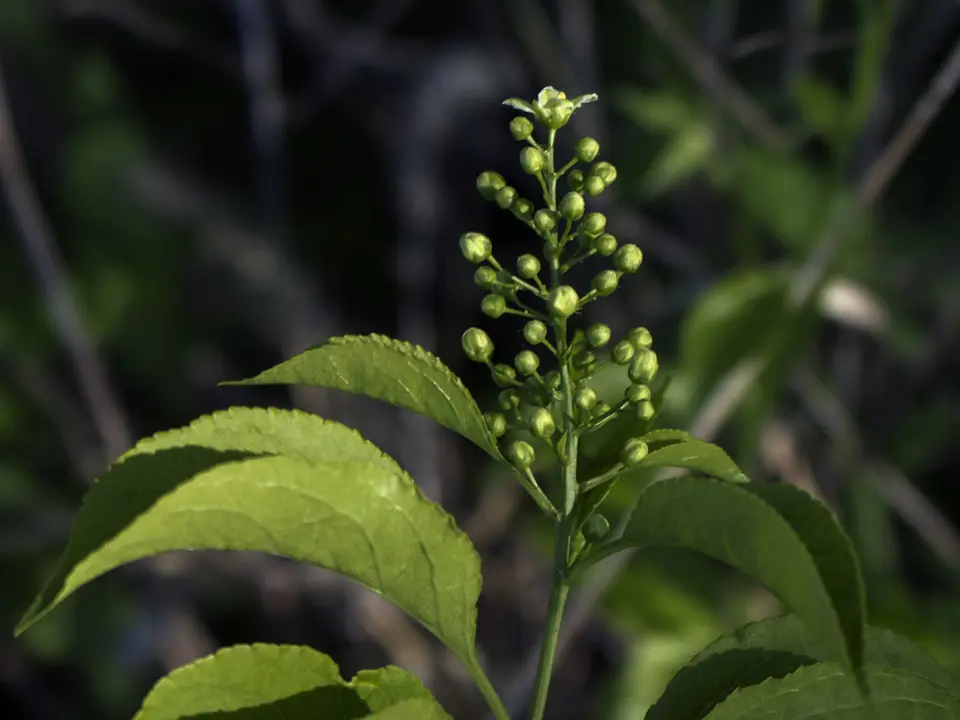
Is American bittersweet toxic to cats and dogs?
Yes. American bittersweet (Celastrus scandens) is toxic to cats and dogs, according to the ASPCA Animal Poison Control Center. Plant Smart rates its effects Severe, level 3 of 4. Signs include weakness, seizures, vomiting, diarrhea and belly pain.
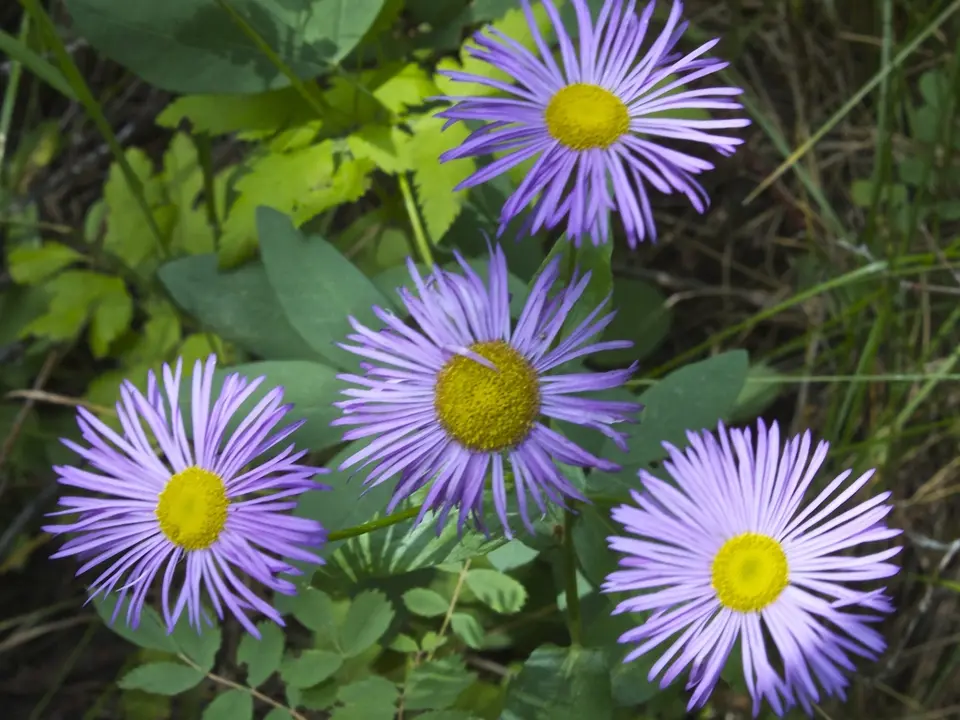
Is aspen fleabane toxic to cats and dogs?
Yes. Aspen fleabane (Erigeron speciosus) is toxic to cats and dogs, according to the ASPCA Animal Poison Control Center. Plant Smart rates its effects Moderate, level 2 of 4. Signs include vomiting, diarrhea, skin irritation and belly pain.
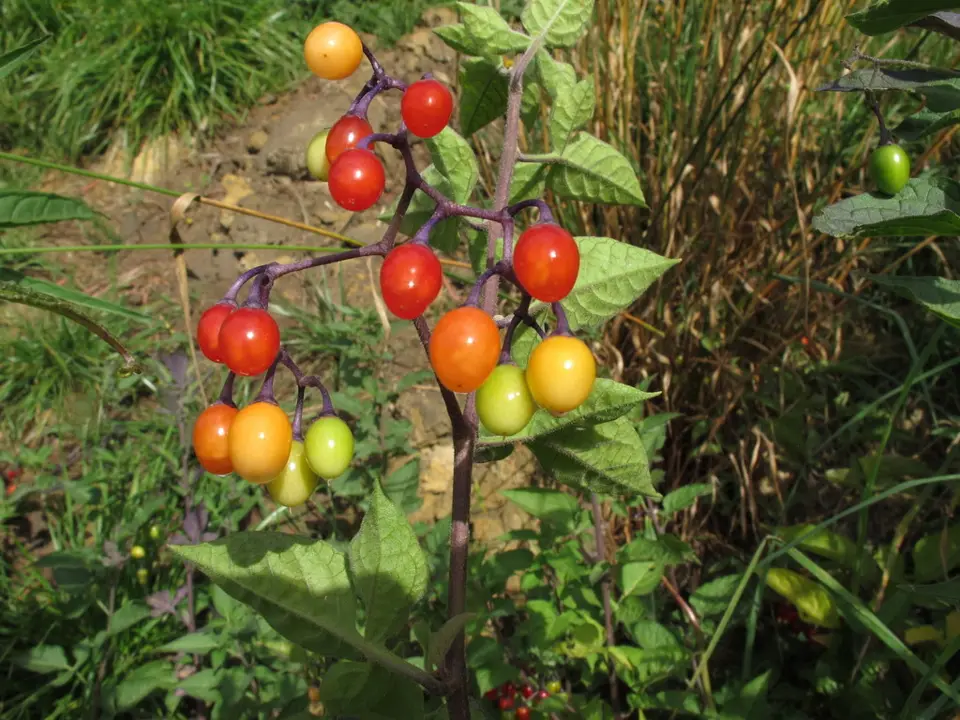
Is bittersweet nightshade toxic to cats and dogs?
Yes. Bittersweet nightshade (Solanum dulcamara) is toxic to cats and dogs, according to the ASPCA Animal Poison Control Center. Plant Smart rates its effects Mild, level 1 of 4. Signs include vomiting, diarrhea, drowsiness, low blood pressure and slow heartbeat. Also called climbing nightshade, trailing bittersweet and European bittersweet.
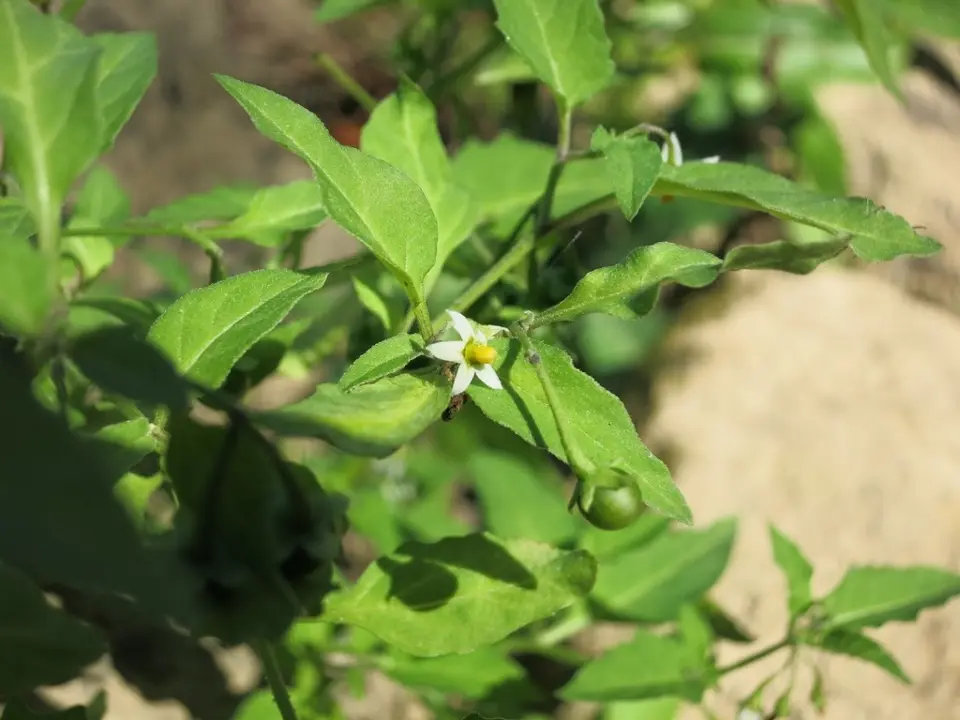
Is black nightshade toxic to cats and dogs?
Yes. Black nightshade (Solanum nigrum) is toxic to cats and dogs, according to the ASPCA Animal Poison Control Center. Plant Smart rates its effects Critical, level 4 of 4. Signs include drooling, loss of appetite, belly pain, diarrhea, drowsiness, sluggish, unresponsive behavior, disorientation, weakness, dilated pupils, slow heartbeat, dullness or depression, tremors, wobbliness or poor coordination, shock, coma, trouble breathing and kidney failure. Also called black nightshade, hairy black nightshade and red nightshade.
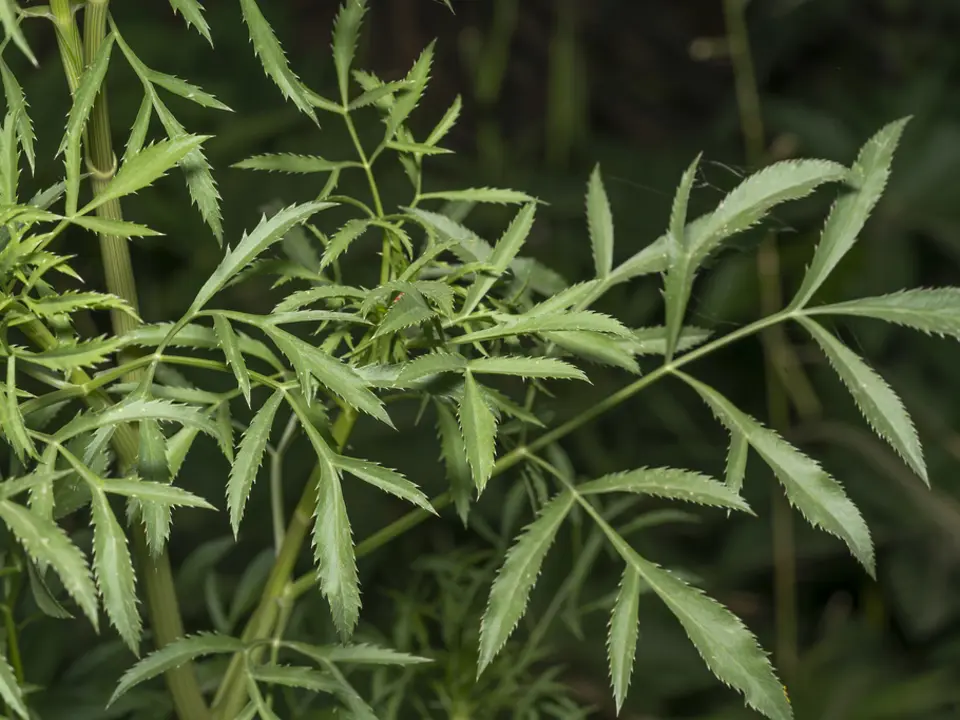
Is bullwort toxic to cats and dogs?
Yes. Bullwort (Ammi majus) is toxic to cats and dogs, according to the ASPCA Animal Poison Control Center. Plant Smart rates its effects Mild, level 1 of 4. Signs include vomiting, diarrhea, dullness or depression, skin irritation, sunburn-like skin reactions to light, mouth irritation, drooling and trouble swallowing. Also called false queen anne's lace.
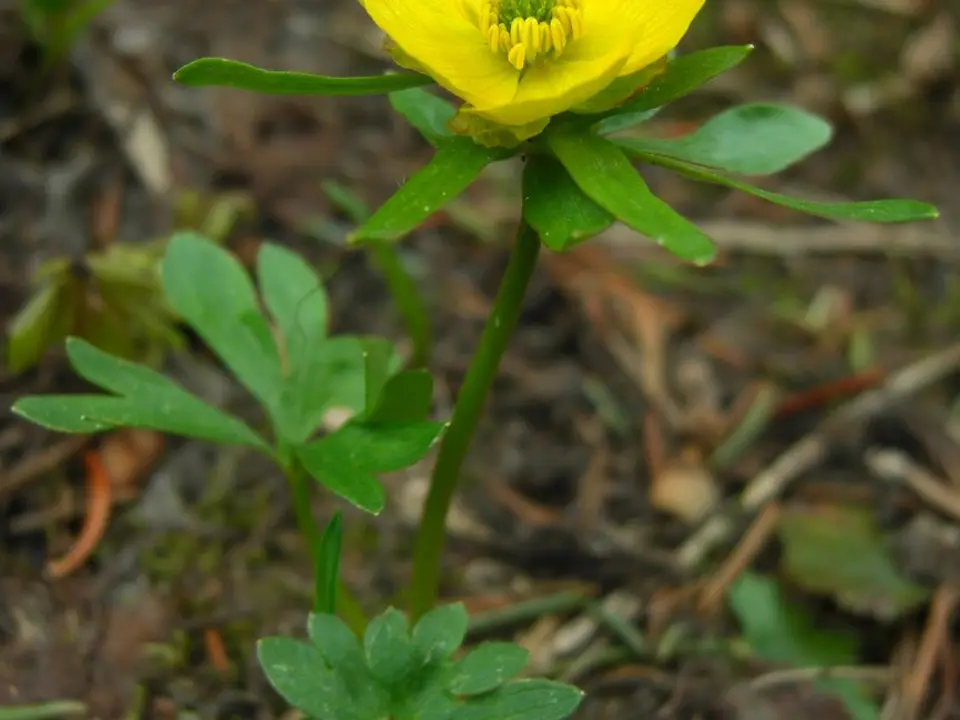

Are buttercups toxic to cats and dogs?
Yes. Buttercups (Ranunculus spp.) are toxic to cats and dogs, according to the ASPCA Animal Poison Control Center. Plant Smart rates their effects Severe, level 3 of 4. Signs include vomiting, diarrhea, dullness or depression, loss of appetite, drooling, mouth sores, wobbliness or poor coordination, lying down and unable to get up, paralysis and belly pain.
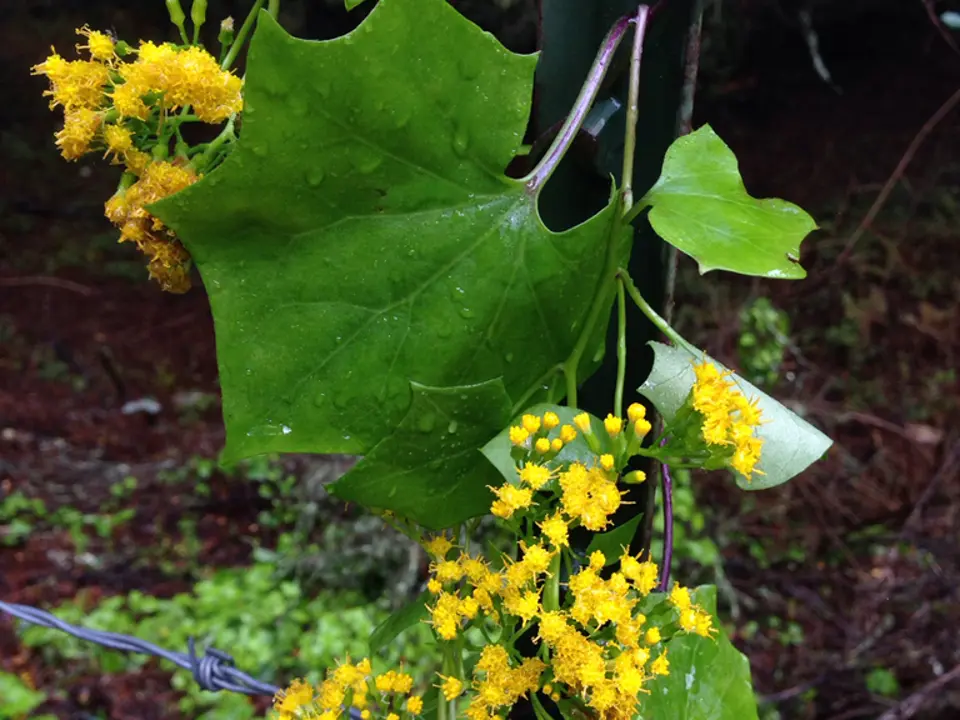
Is cape-ivy toxic to cats and dogs?
Yes. Cape-ivy (Senecio mikanioides) is toxic to cats and dogs, according to the ASPCA Animal Poison Control Center. Plant Smart rates its effects Severe, level 3 of 4. Signs include liver failure, wobbliness or poor coordination, weight loss, weakness, drowsiness, yawning, dullness or depression, loss of appetite, vomiting and diarrhea.
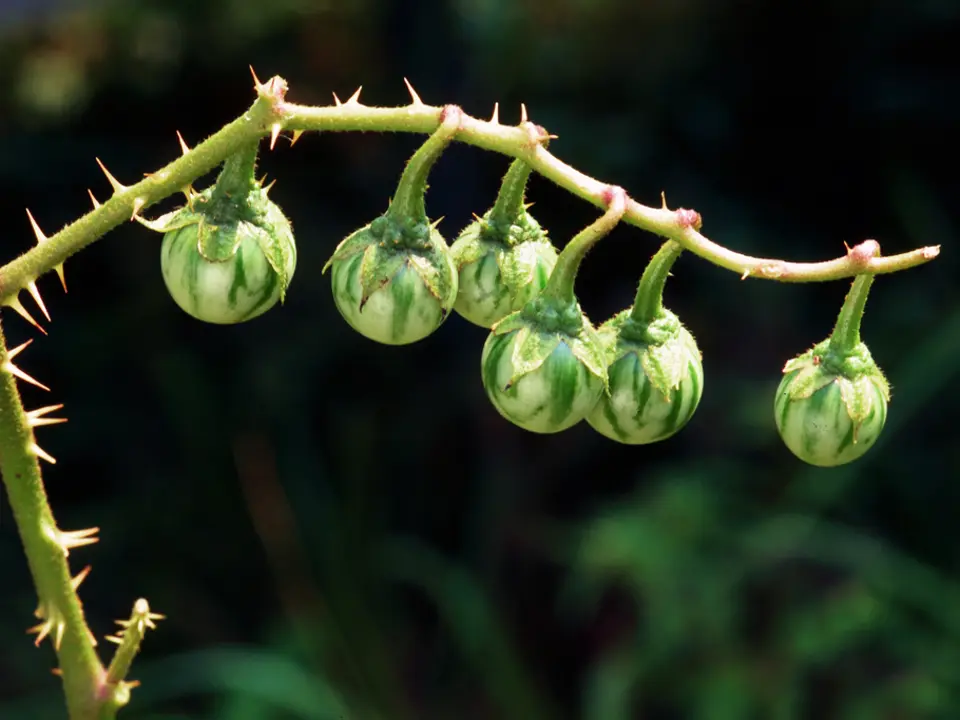
Is carolina horsenettle toxic to cats and dogs?
Yes. Carolina horsenettle (Solanum carolinense) is toxic to cats and dogs, according to the ASPCA Animal Poison Control Center. Plant Smart rates its effects Critical, level 4 of 4. Signs include drooling, loss of appetite, belly pain, diarrhea, drowsiness, sluggish, unresponsive behavior, disorientation, weakness, dilated pupils, slow heartbeat, dullness or depression, wobbliness or poor coordination, paralysis, coma, fast heartbeat, weak pulse, anemia (pale gums), trouble breathing, kidney failure and tremors.
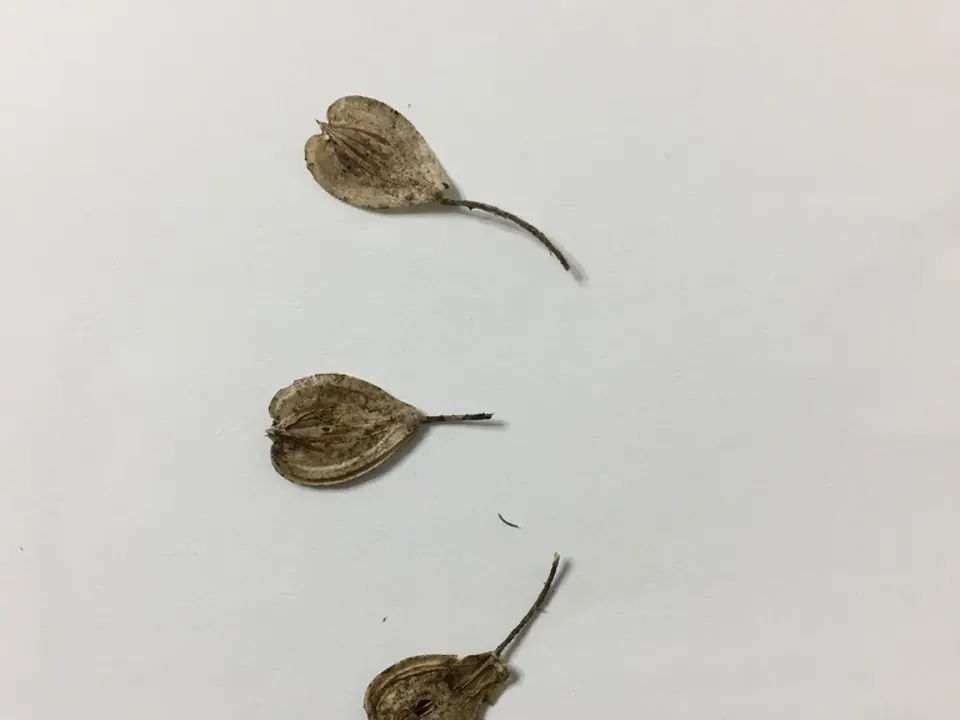
Is common cowparsnip toxic to cats and dogs?
Yes. Common cowparsnip (Heracleum maximum) is toxic to cats and dogs, according to the ASPCA Animal Poison Control Center. Plant Smart rates its effects Mild, level 1 of 4. Signs include skin irritation and sunburn-like skin reactions to light. Also called tube clematis.
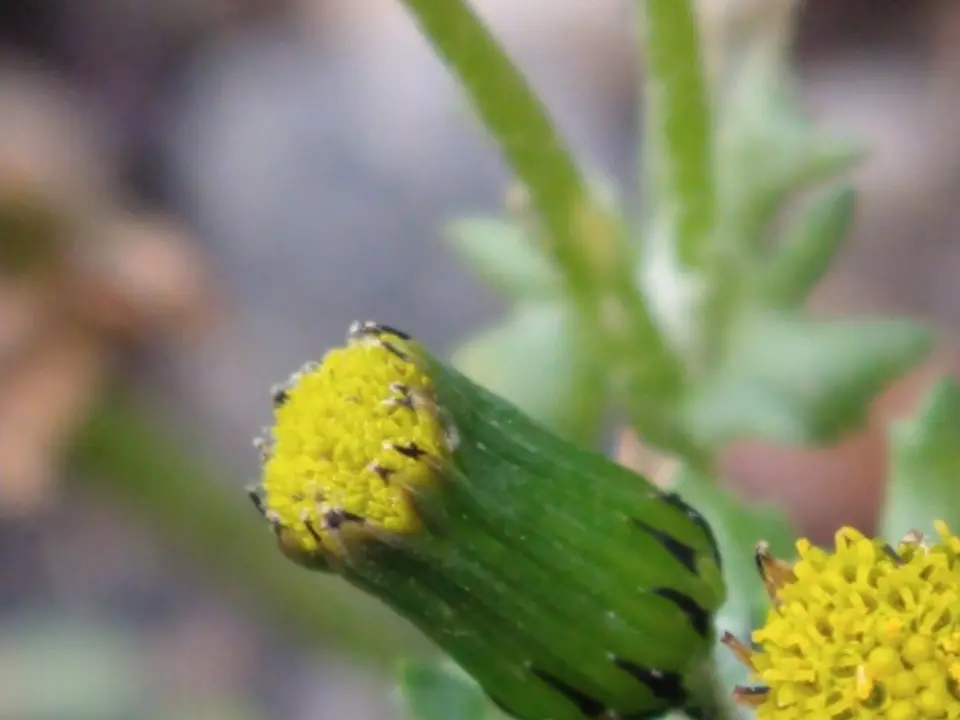
Is common groundsel toxic to cats and dogs?
Yes. Common groundsel (Senecio vulgaris) is toxic to cats and dogs, according to the ASPCA Animal Poison Control Center. Plant Smart rates its effects Severe, level 3 of 4. Signs include liver failure, wobbliness or poor coordination, weight loss, weakness, drowsiness, yawning, dullness or depression, loss of appetite, vomiting and diarrhea.
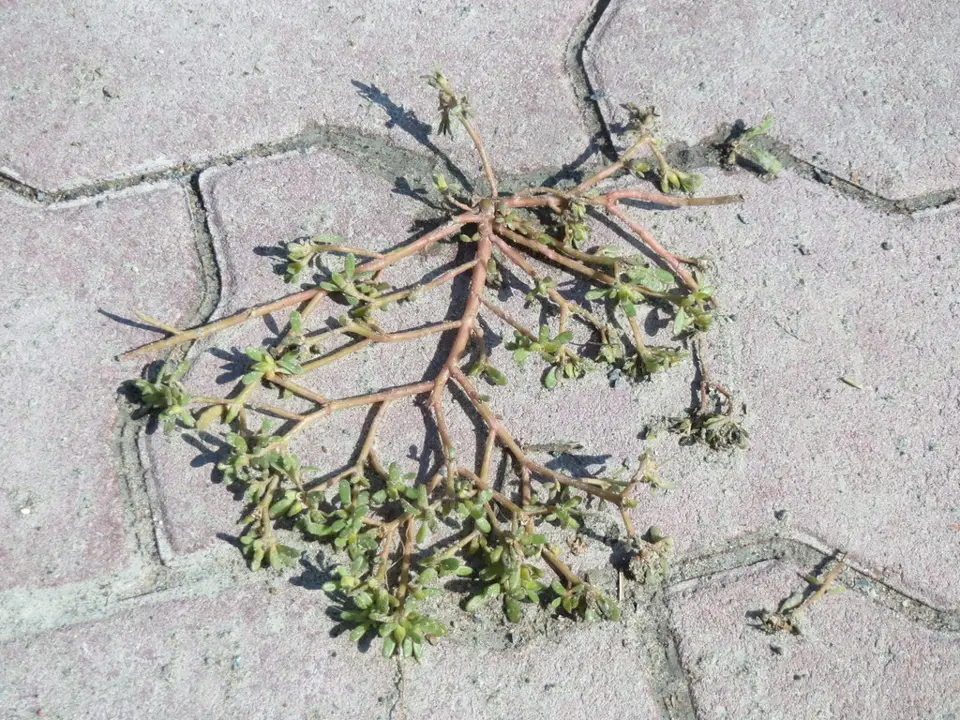
Is common purslane toxic to cats and dogs?
Yes. Common purslane (Portulaca oleracea) is toxic to cats and dogs, according to the ASPCA Animal Poison Control Center. Plant Smart rates its effects Critical, level 4 of 4. Signs include vomiting, diarrhea, kidney failure, tremors, drooling, weakness, dullness or depression, lying down and unable to get up and coma. Also called pigweed.
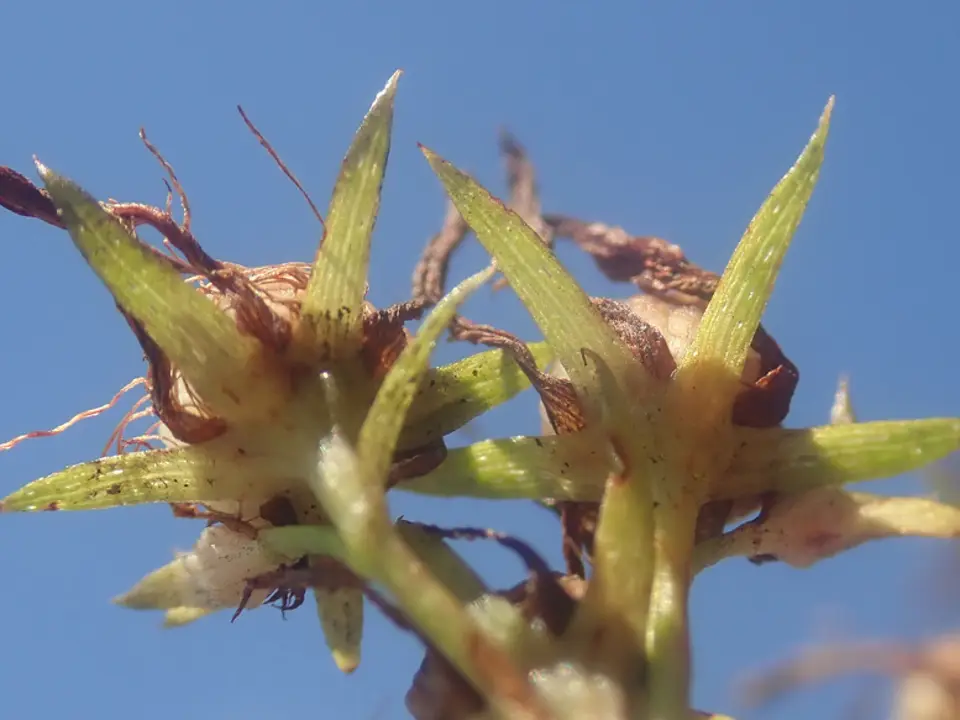
Is common St. John's-wort toxic to cats and dogs?
Yes. Common St. John's-wort (Hypericum perforatum) is toxic to cats and dogs, according to the ASPCA Animal Poison Control Center. Plant Smart rates its effects Mild, level 1 of 4. Signs include sunburn-like skin reactions to light and skin irritation.
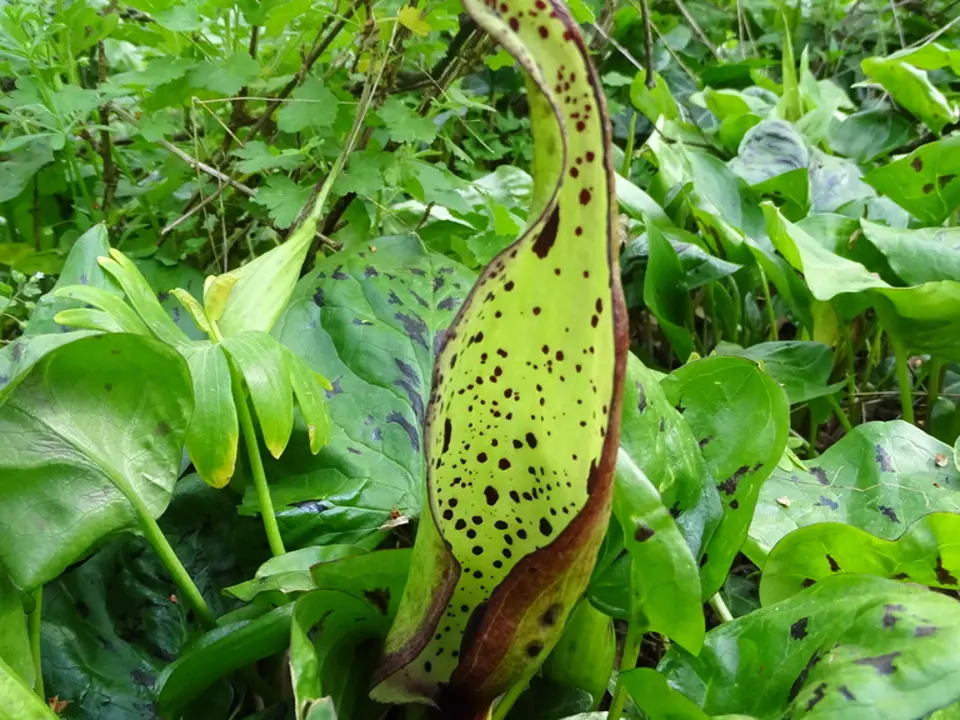
Is cuckoo-pint toxic to cats and dogs?
Yes. Cuckoo-pint (Arum maculatum) is toxic to cats and dogs, according to the ASPCA Animal Poison Control Center. Plant Smart rates its effects Mild, level 1 of 4. Signs include mouth irritation, drooling, vomiting and trouble swallowing. Also called lords and ladies.
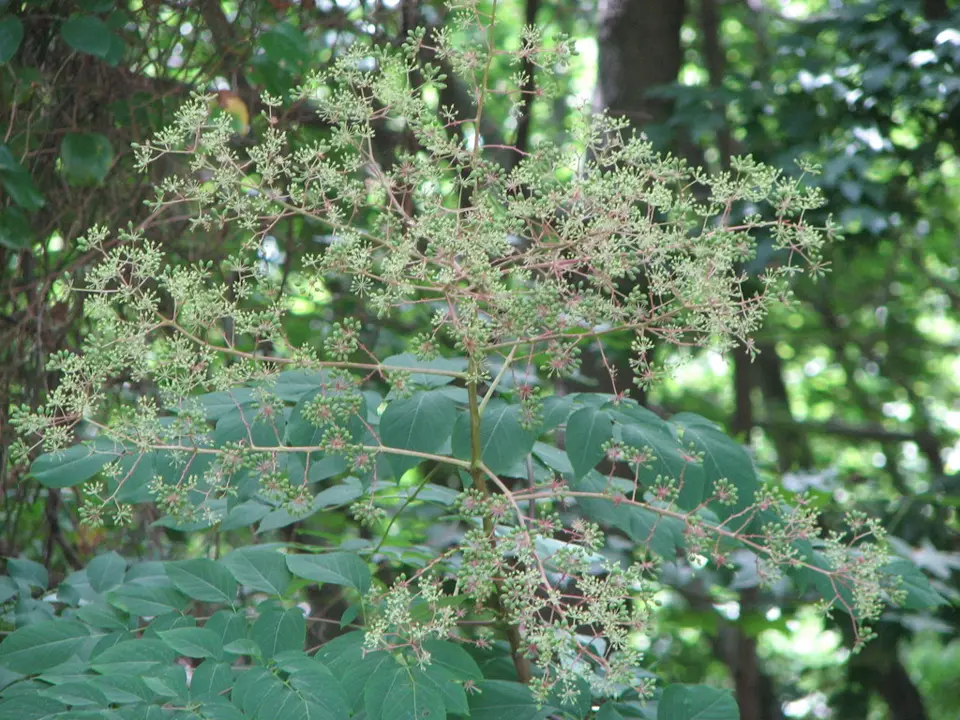
Is devil's walkingstick toxic to cats and dogs?
Yes. Devil's walkingstick (Aralia spinosa) is toxic to cats and dogs, according to the ASPCA Animal Poison Control Center. Plant Smart rates its effects Mild, level 1 of 4. Signs include skin irritation, mouth irritation, drooling, vomiting and diarrhea.
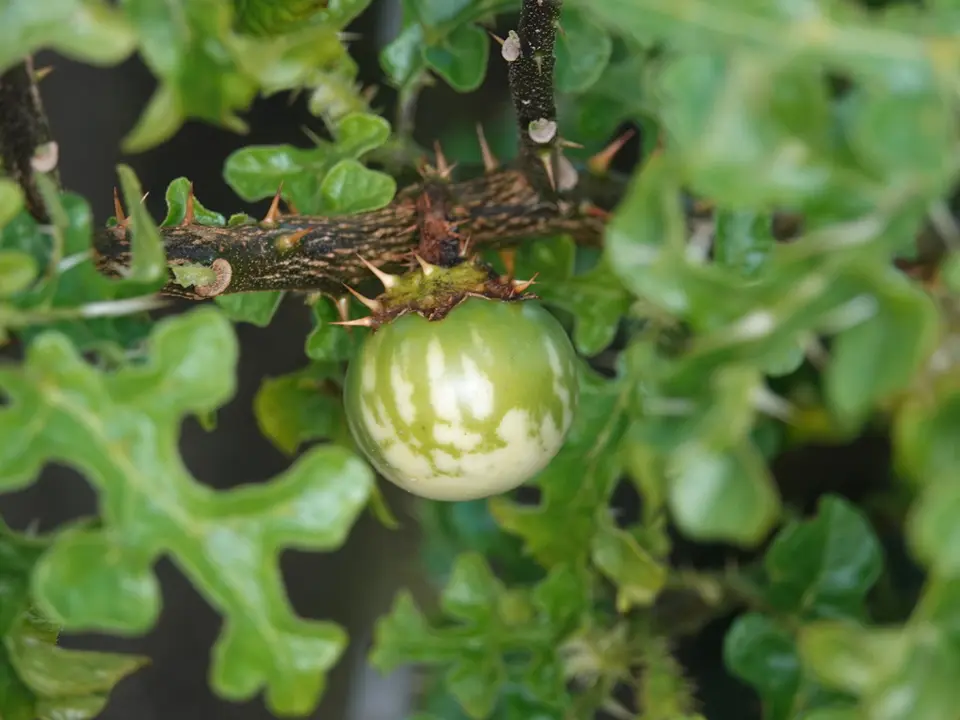
Is devil's-apple toxic to cats and dogs?
Yes. Devil's-apple (Solanum linnaeanum) is toxic to cats and dogs, according to the ASPCA Animal Poison Control Center. Plant Smart rates its effects Moderate, level 2 of 4. Signs include drooling, loss of appetite, belly pain, diarrhea, drowsiness, sluggish, unresponsive behavior, disorientation, weakness, dilated pupils and slow heartbeat.
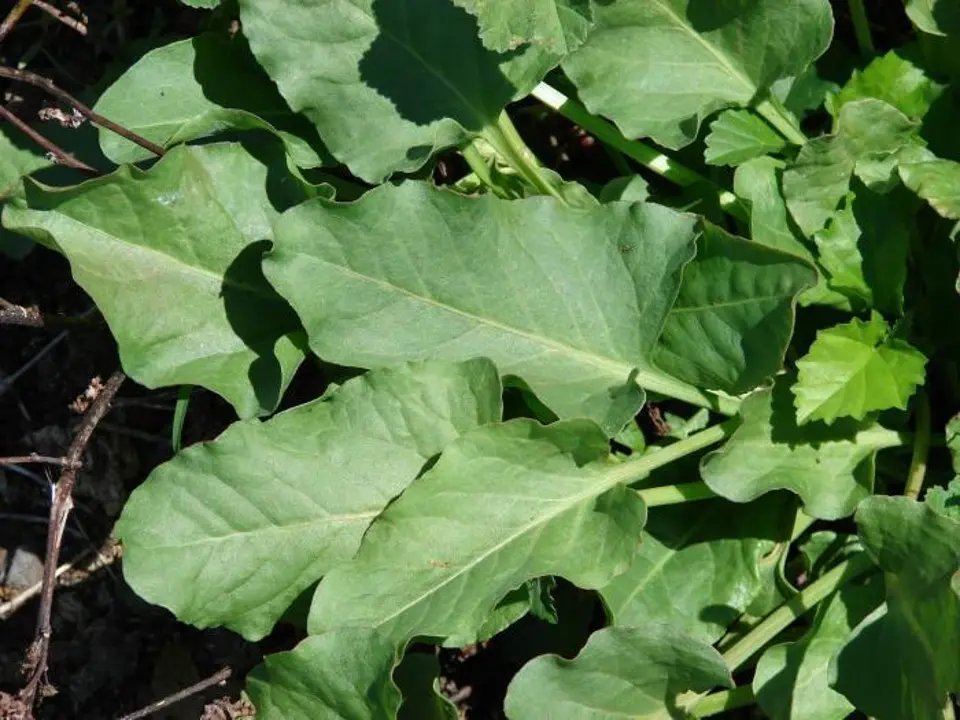
Are docks toxic to cats and dogs?
Yes. Docks (Rumex spp.) are toxic to cats and dogs, according to the ASPCA Animal Poison Control Center. Plant Smart rates their effects Critical, level 4 of 4. Signs include kidney failure, tremors, drooling, weakness, dullness or depression, lying down and unable to get up and coma.
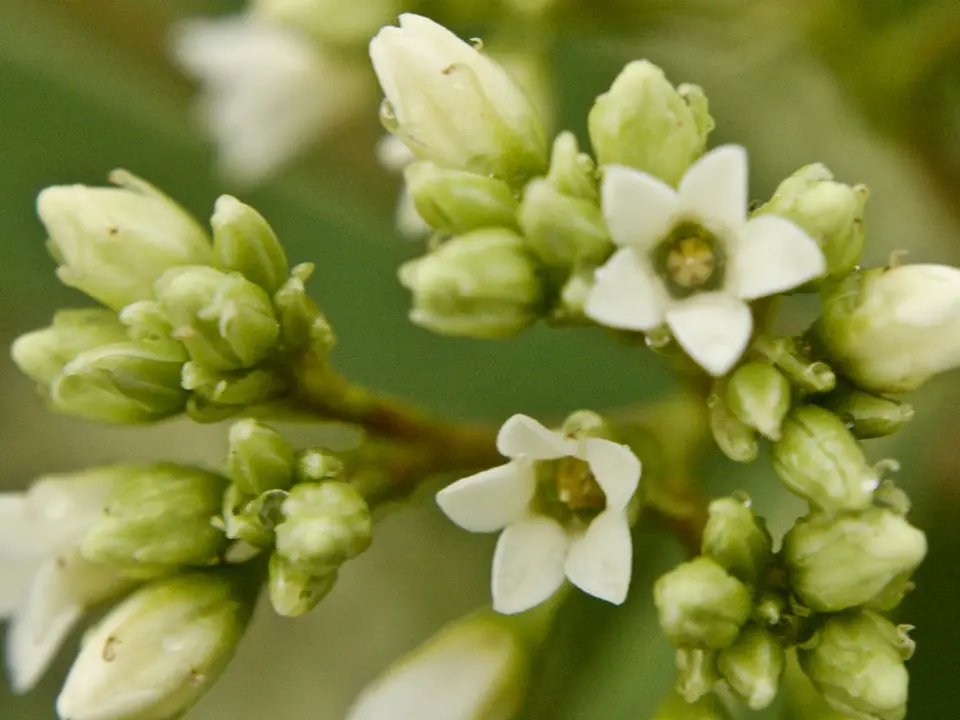
Are dogbanes toxic to cats and dogs?
Yes. Dogbanes (Apocynum spp.) are toxic to cats and dogs, according to the ASPCA Animal Poison Control Center. Plant Smart rates their effects Moderate, level 2 of 4. Signs include diarrhea, slow heartbeat, weakness, belly pain, vomiting and irregular heartbeat.
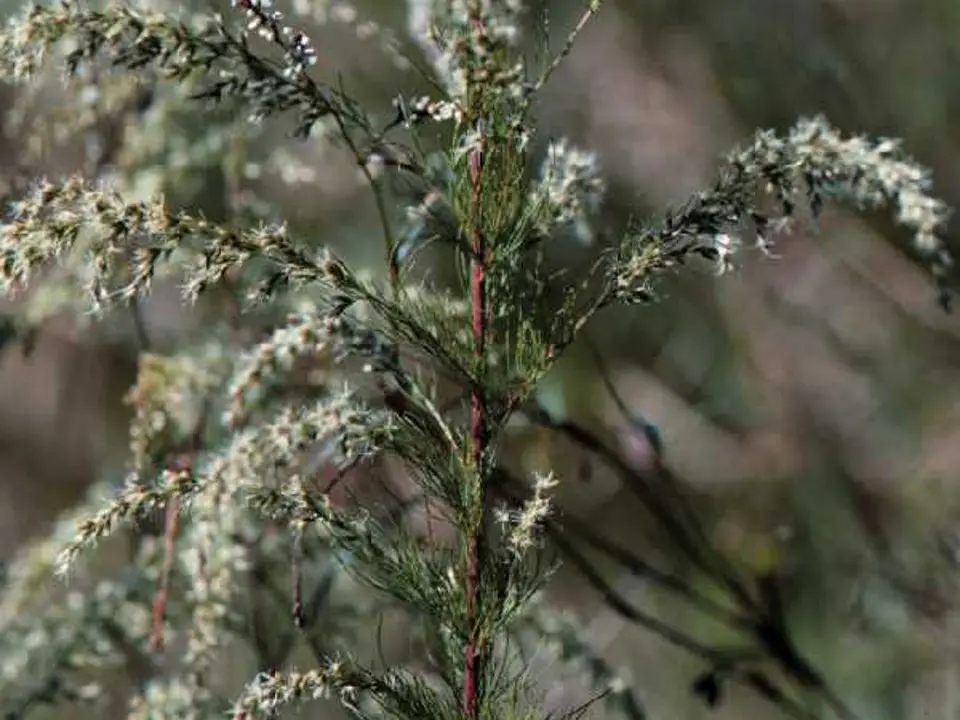

Is dogfennel toxic to cats and dogs?
Yes. Dogfennel (Eupatorium capillifolium) is toxic to cats and dogs, according to the ASPCA Animal Poison Control Center. Plant Smart rates its effects Mild, level 1 of 4. Signs include peeing more than usual, vomiting, diarrhea and skin irritation.
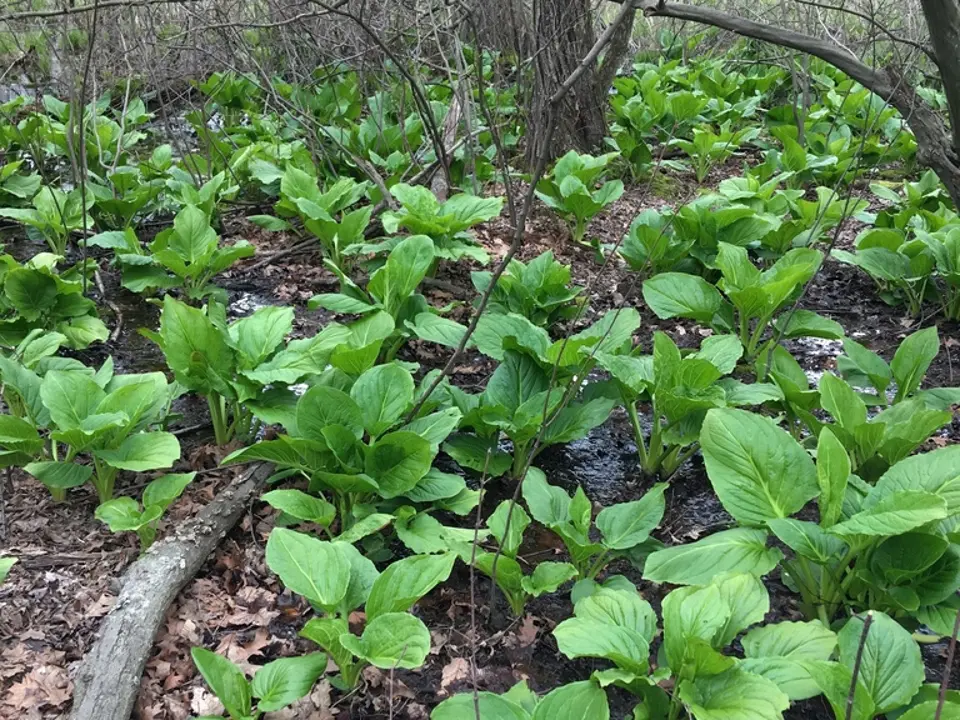
Is eastern skunk cabbage toxic to cats and dogs?
Yes. Eastern skunk cabbage (Symplocarpus foetidus) is toxic to cats and dogs, according to the ASPCA Animal Poison Control Center. Plant Smart rates its effects Mild, level 1 of 4. Signs include mouth irritation, drooling, vomiting and trouble swallowing. Also called Japanese skunk cabbage.
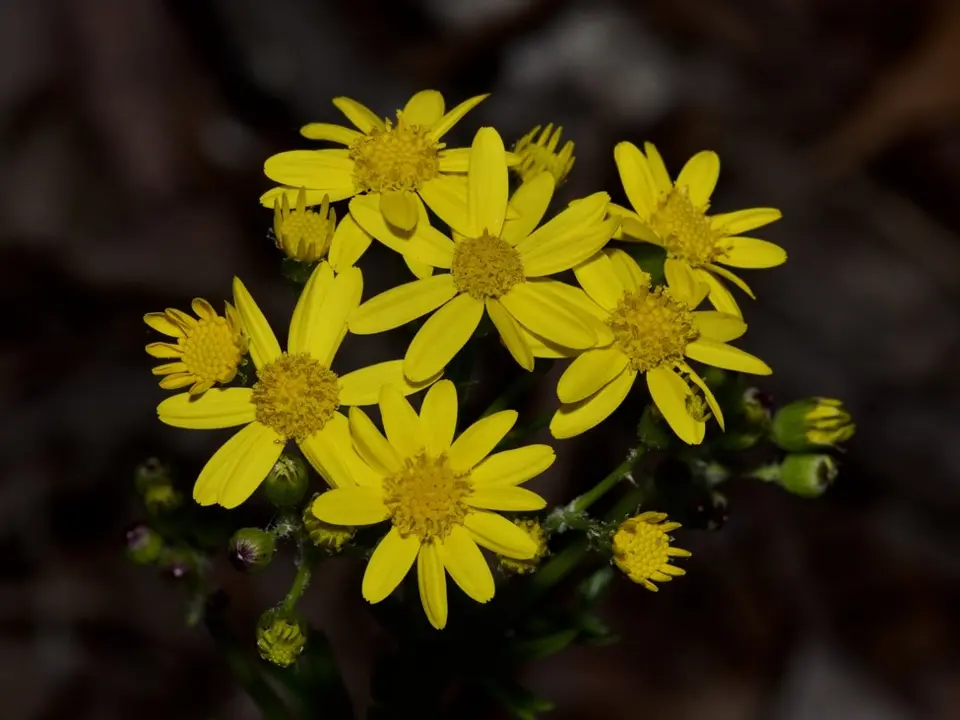
Are groundsels toxic to cats and dogs?
Yes. Groundsels (Senecio spp.) are toxic to cats and dogs, according to the ASPCA Animal Poison Control Center. Plant Smart rates their effects Critical, level 4 of 4. Signs include liver failure, weight loss, weakness, lethargy, yawning, wobbliness or poor coordination, jaundice (yellow gums or eyes), dullness or depression, loss of appetite, vomiting, diarrhea, drowsiness, pressing the head against walls, anemia (pale gums) and skin irritation.
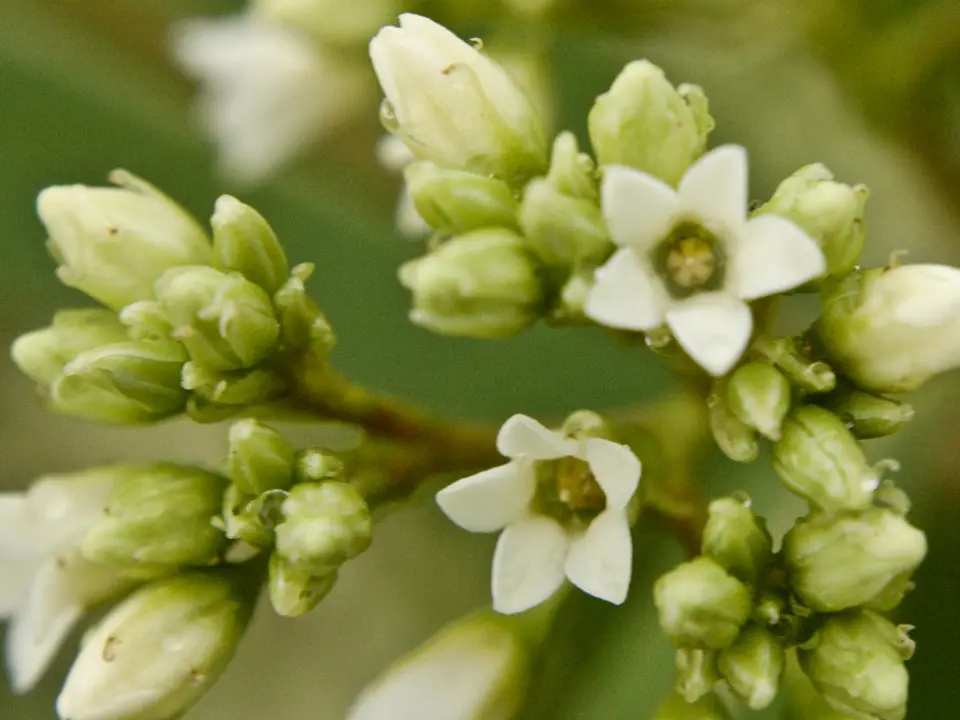
Is hemp dogbane toxic to cats and dogs?
Yes. Hemp dogbane (Apocynum cannabinum) is toxic to cats and dogs, according to the ASPCA Animal Poison Control Center. Plant Smart rates its effects Moderate, level 2 of 4. Signs include diarrhea, slow heartbeat, weakness, belly pain, vomiting and irregular heartbeat.
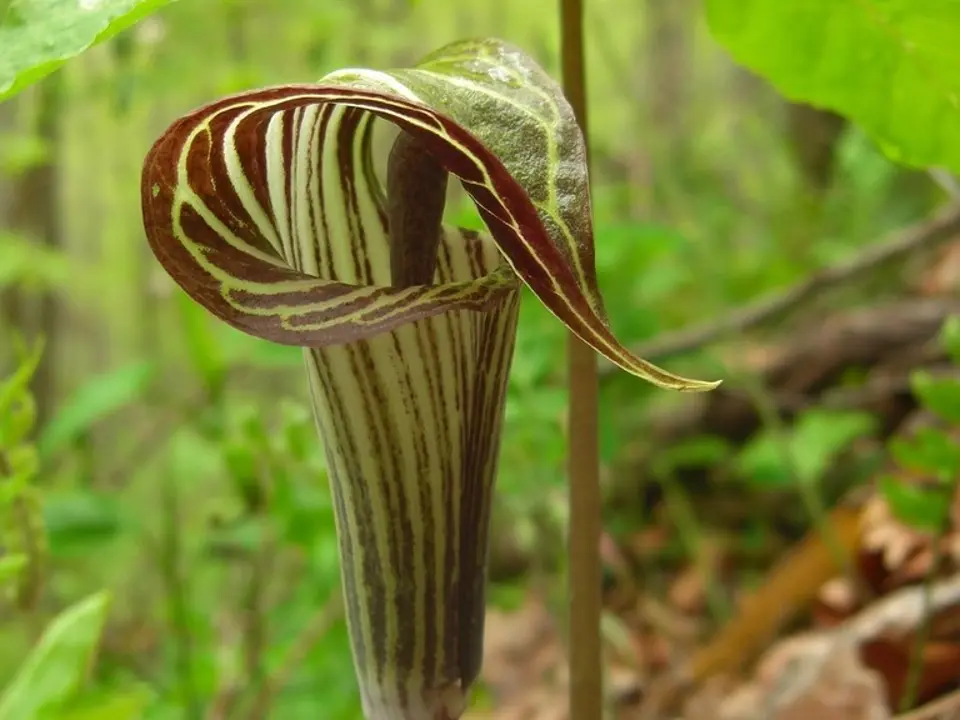
Is jack-in-the-pulpit toxic to cats and dogs?
Yes. Jack-in-the-pulpit (Arisaema triphyllum) is toxic to cats and dogs, according to the ASPCA Animal Poison Control Center. Plant Smart rates its effects Mild, level 1 of 4. Signs include mouth irritation, drooling, vomiting and trouble swallowing. Also called common jack-in-the-pulpit, swamp jack-in-the-pulpit and small jack-in-the-pulpit.
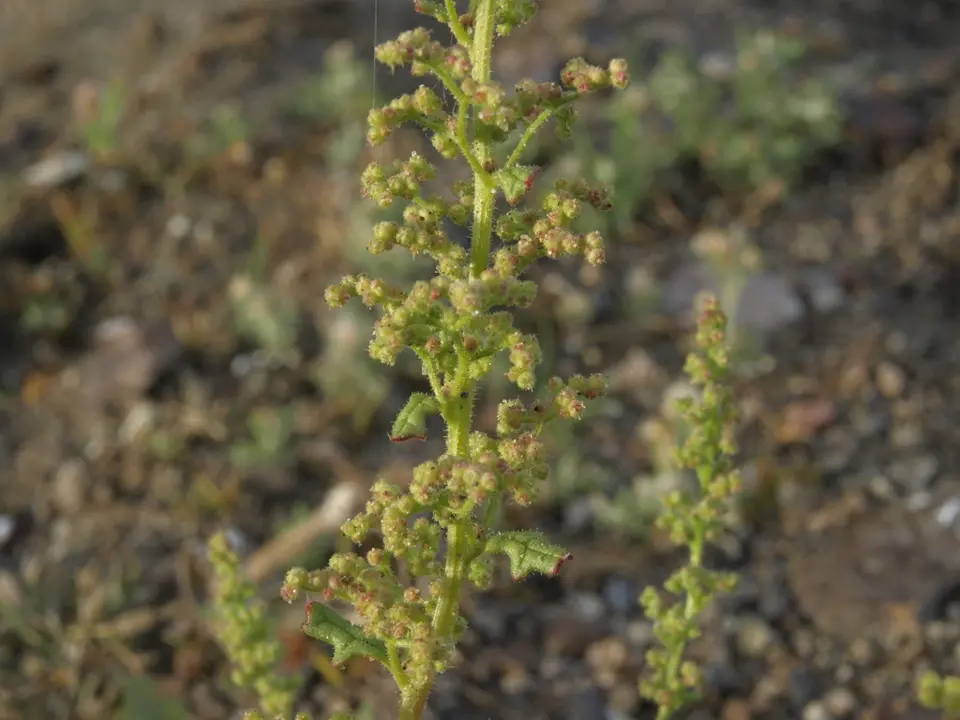
Is Jerusalem oak toxic to cats and dogs?
Yes. Jerusalem oak (Chenopodium botrys) is toxic to cats and dogs, according to the ASPCA Animal Poison Control Center. Plant Smart rates its effects Critical, level 4 of 4. Signs include vomiting, loss of appetite, dullness or depression, respiratory failure and trouble breathing. Eaten in quantity, it can be fatal. Also called low goosefoot.
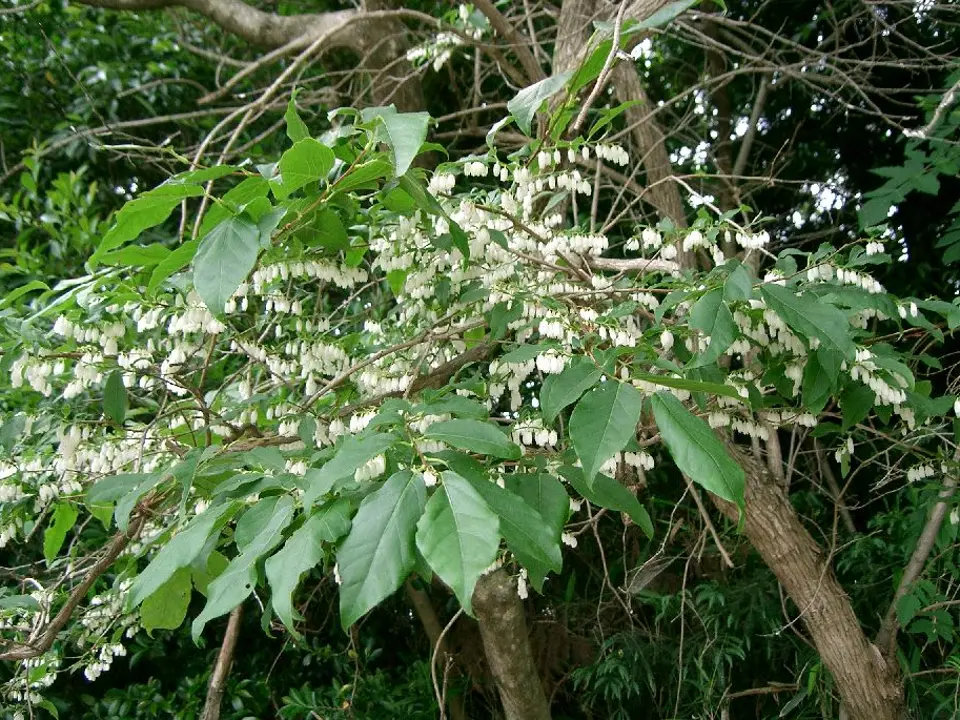

Are lyonias toxic to cats and dogs?
Yes. Lyonias (Lyonia spp.) are toxic to cats and dogs, according to the ASPCA Animal Poison Control Center. Plant Smart rates their effects Critical, level 4 of 4. Signs include vomiting, diarrhea, dullness or depression, collapse, drooling, weakness, coma, low blood pressure and heart failure. Eaten in quantity, it can be fatal.
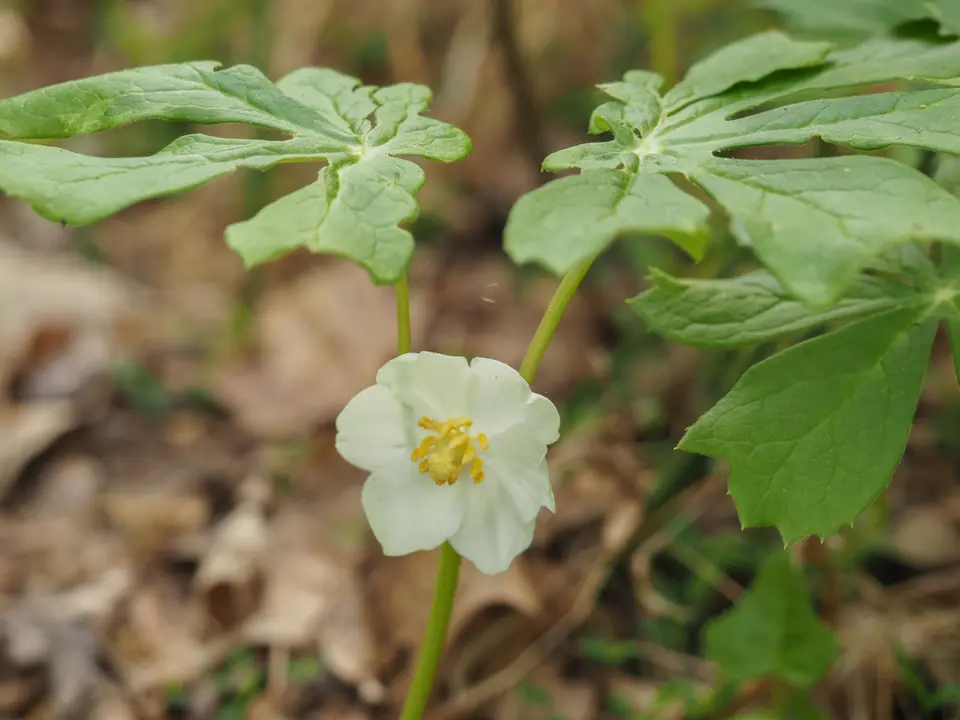
Is mayapple toxic to cats and dogs?
Yes. Mayapple (Podophyllum peltatum) is toxic to cats and dogs, according to the ASPCA Animal Poison Control Center. Plant Smart rates its effects Critical, level 4 of 4. Signs include vomiting, diarrhea, lethargy, panting, coma, skin sores, skin irritation, belly pain, drooling, liver failure and bone marrow suppression.
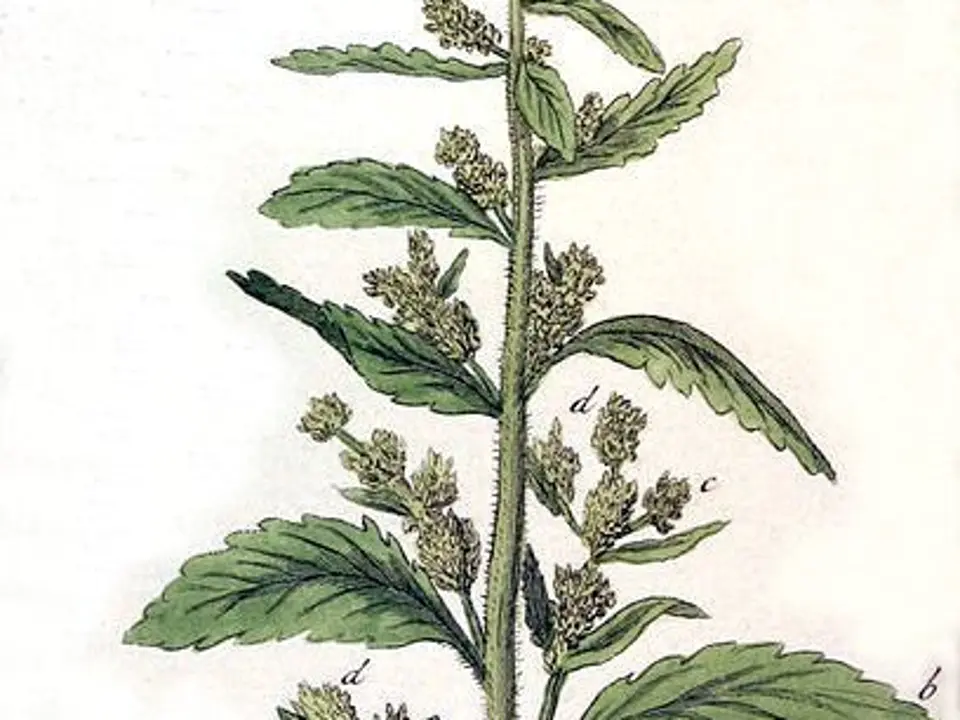
Is Mexican tea toxic to cats and dogs?
Yes. Mexican tea (Chenopodium ambrosioides) is toxic to cats and dogs, according to the ASPCA Animal Poison Control Center. Plant Smart rates its effects Critical, level 4 of 4. Signs include vomiting, diarrhea, respiratory failure and trouble breathing. Eaten in quantity, it can be fatal. Also called wormseed.
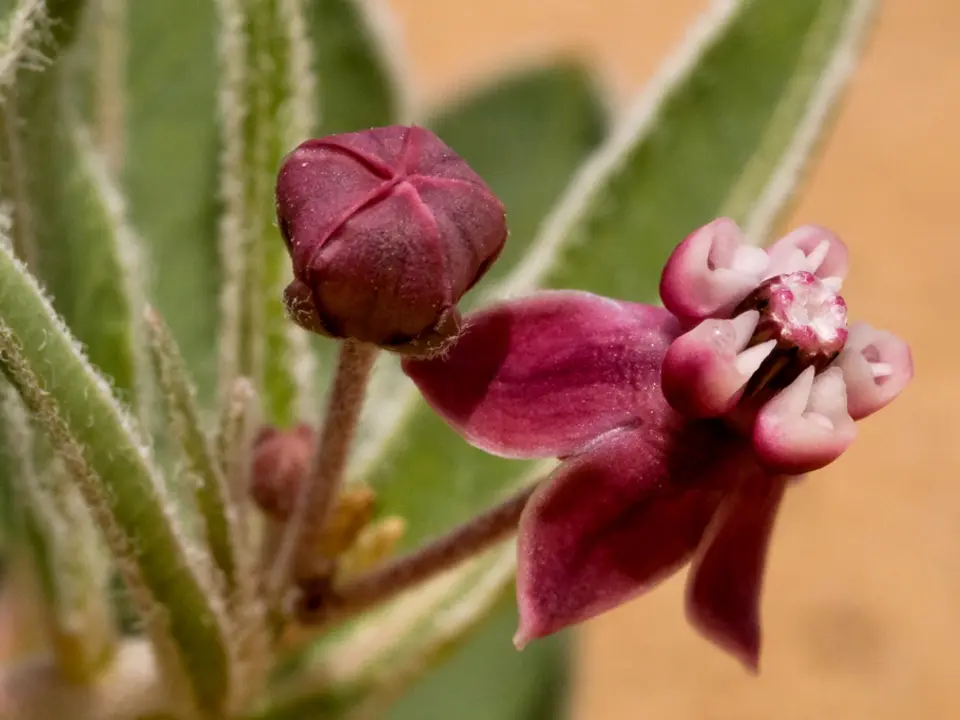
Are milkweeds toxic to cats and dogs?
Yes. Milkweeds (Asclepias spp.) are toxic to cats and dogs, according to the ASPCA Animal Poison Control Center. Plant Smart rates their effects Critical, level 4 of 4. Signs include vomiting, dullness or depression, weakness, loss of appetite, diarrhea, seizures, trouble breathing, weak pulse, dilated pupils, kidney failure, liver failure, coma, respiratory paralysis, belly pain, bloating, tremors, wobbliness or poor coordination, respiratory failure, irregular heartbeat and lying down and unable to get up. Eaten in quantity, it can be fatal.
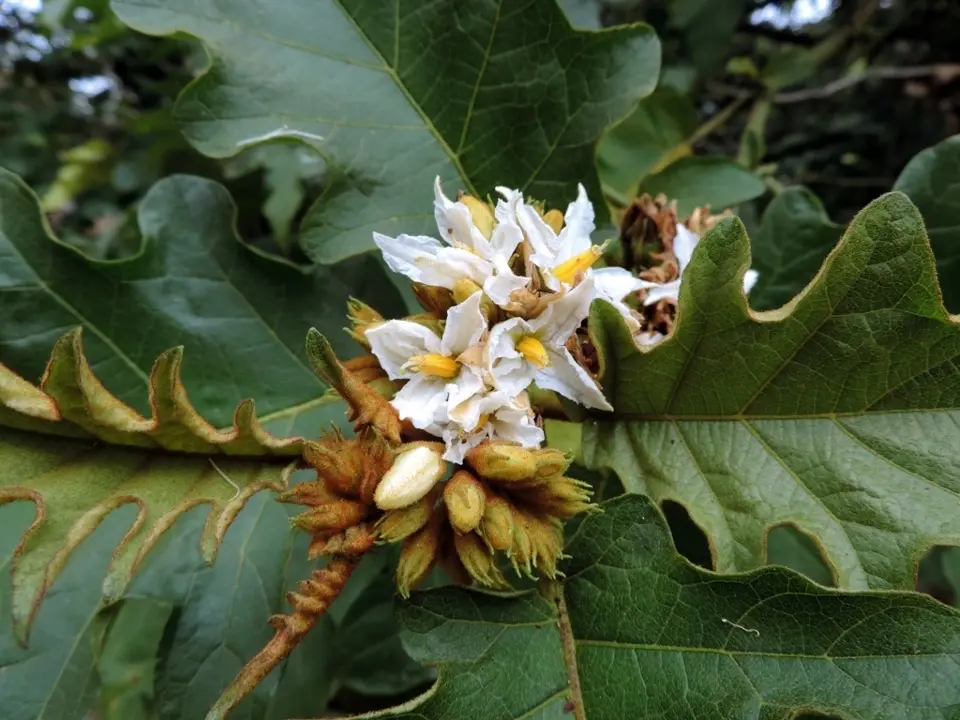
Are nightshades toxic to cats and dogs?
Yes. Nightshades (Solanum spp.) are toxic to cats and dogs, according to the ASPCA Animal Poison Control Center. Plant Smart rates their effects Critical, level 4 of 4. Signs include drooling, loss of appetite, belly pain, diarrhea, drowsiness, sluggish, unresponsive behavior, disorientation, weakness, dilated pupils, slow heartbeat, bloating, dullness or depression, tremors, wobbliness or poor coordination, shock, coma, trouble breathing, kidney failure, paralysis, fast heartbeat, weak pulse and anemia (pale gums).
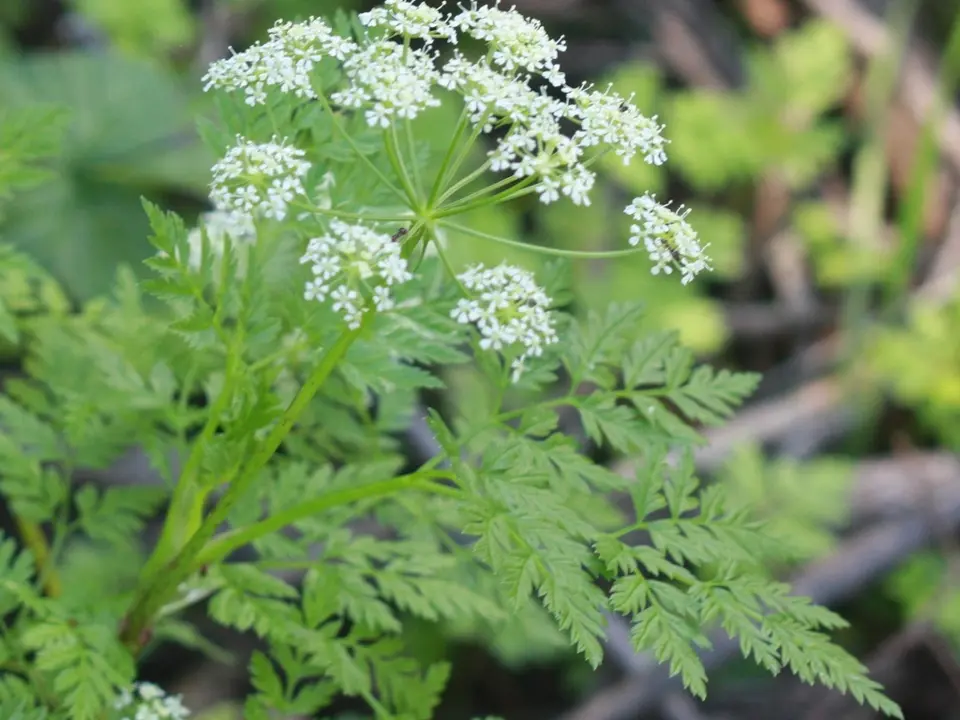
Is poison hemlock toxic to cats and dogs?
Yes. Poison hemlock (Conium maculatum) is toxic to cats and dogs, according to the ASPCA Animal Poison Control Center. Plant Smart rates its effects Critical, level 4 of 4. Signs include agitation, tremors, drooling, diarrhea, paralysis, belly pain, respiratory paralysis, seizures, weak pulse, respiratory failure, peeing more than usual and wobbliness or poor coordination. Eaten in quantity, it can be fatal.
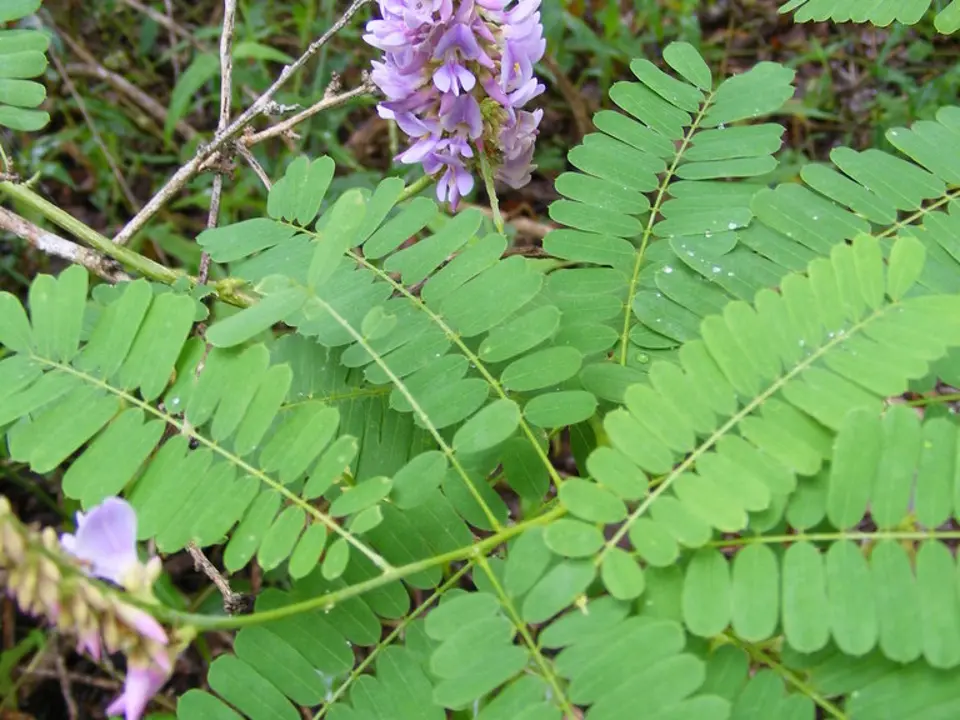
Is precatory bean toxic to cats and dogs?
Yes. Precatory bean (Abrus precatorius) is toxic to cats and dogs, according to the ASPCA Animal Poison Control Center. Plant Smart rates its effects Critical, level 4 of 4. Signs include vomiting, diarrhea, tremors, fast heartbeat, fever and shock. Eaten in quantity, it can be fatal. Also called rosary pea, coral pea and jequirity bean.
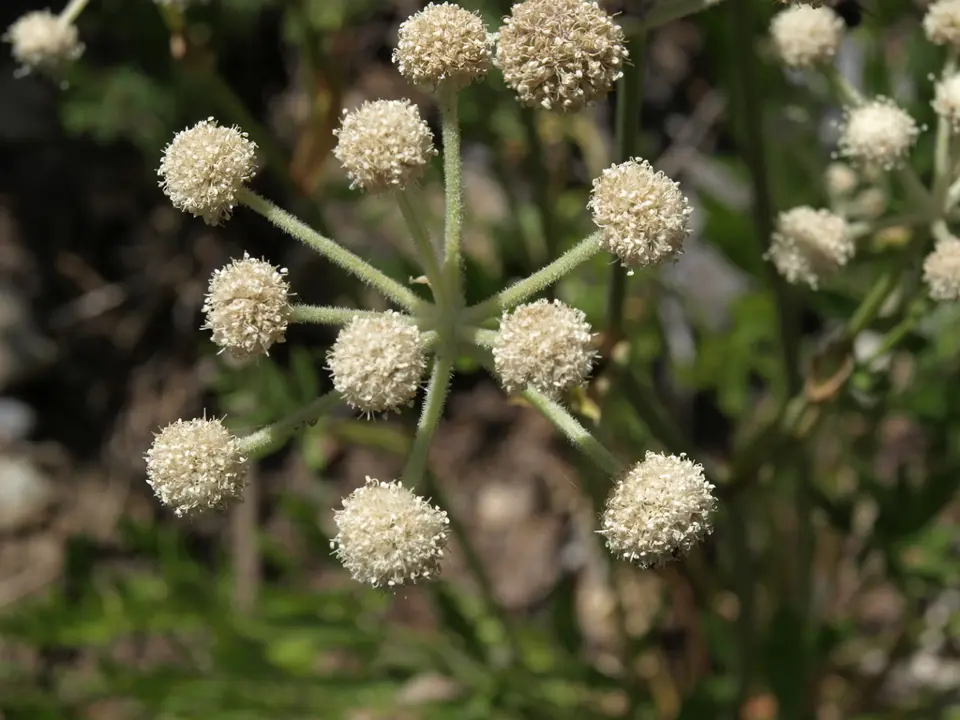
Are ranger buttons toxic to cats and dogs?
Yes. Ranger buttons (Sphenosciadium capitellatum) are toxic to cats and dogs, according to the ASPCA Animal Poison Control Center. Plant Smart rates their effects Mild, level 1 of 4. Signs include sunburn-like skin reactions to light and skin irritation.
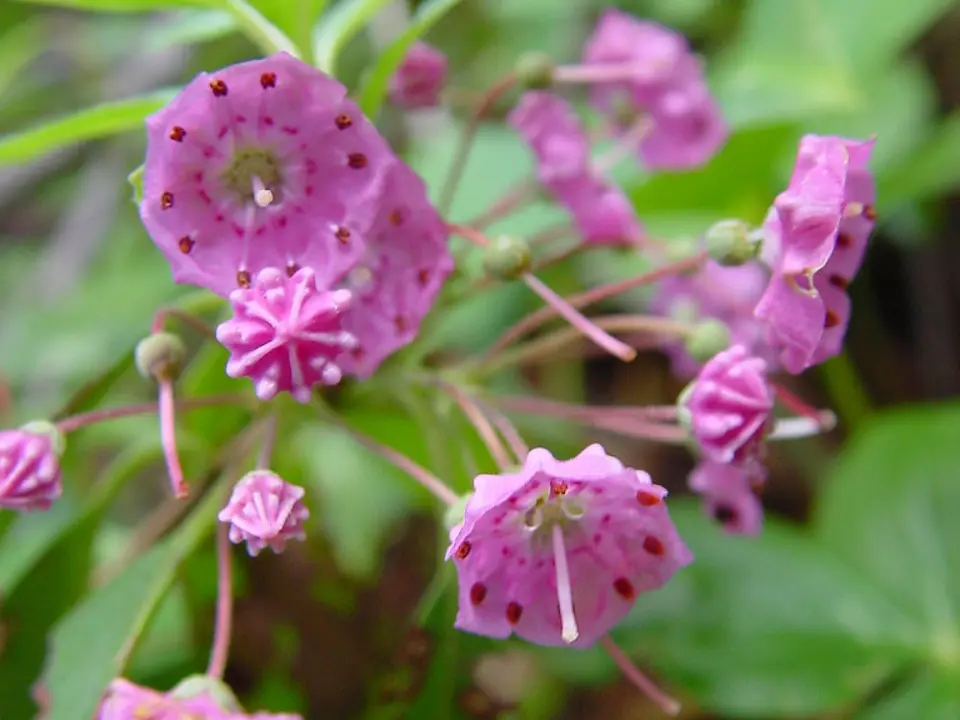
Is sheep laurel toxic to cats and dogs?
Yes. Sheep laurel (Kalmia angustifolia) is toxic to cats and dogs, according to the ASPCA Animal Poison Control Center. Plant Smart rates its effects Critical, level 4 of 4. Signs include vomiting, diarrhea, weakness, heart failure, drooling, belly pain, loss of appetite, tremors, lying down and unable to get up, seizures, fast heartbeat, trouble breathing and wobbliness or poor coordination.
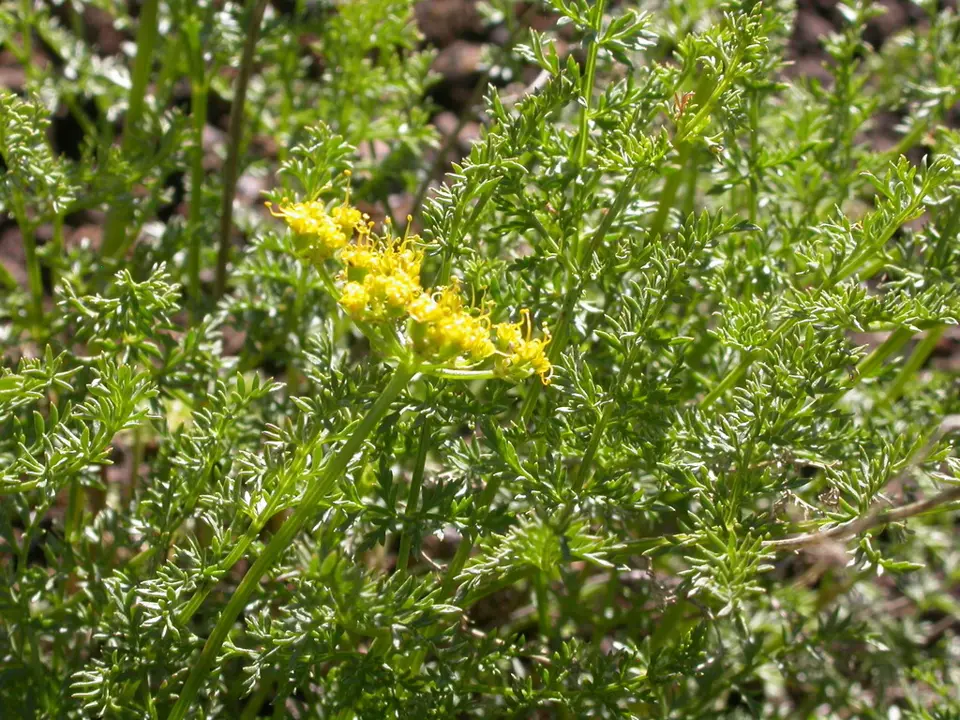
Are springparsleys toxic to cats and dogs?
Yes. Springparsleys (Cymopterus spp.) are toxic to cats and dogs, according to the ASPCA Animal Poison Control Center. Plant Smart rates their effects Mild, level 1 of 4. Signs include sunburn-like skin reactions to light and skin irritation.
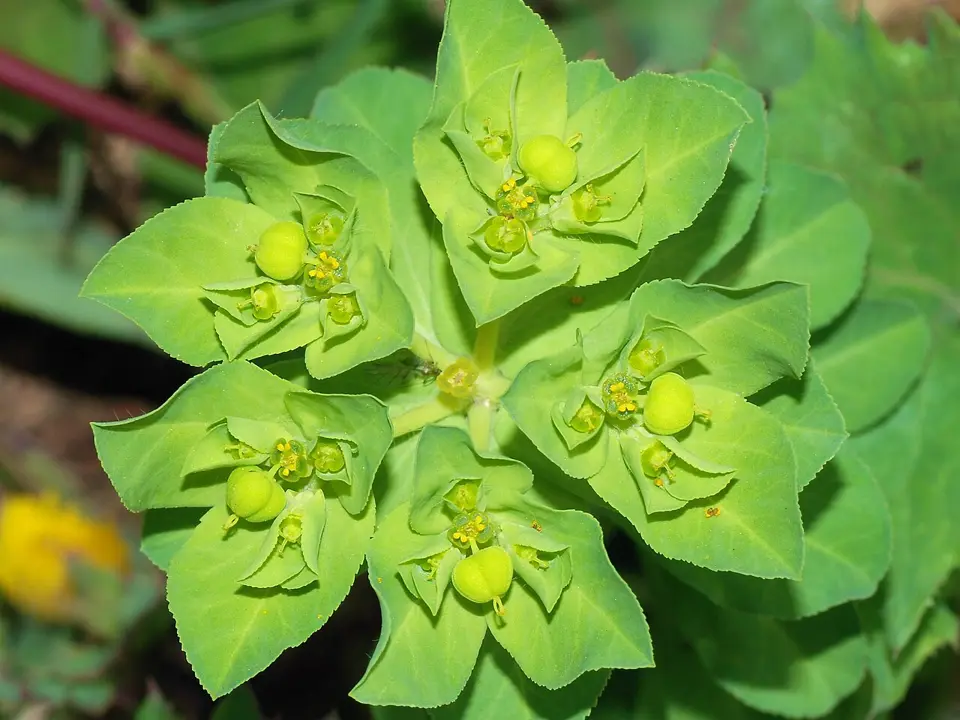

Are spurges toxic to cats and dogs?
Yes. Spurges (Euphorbia spp.) are toxic to cats and dogs, according to the ASPCA Animal Poison Control Center. Plant Smart rates their effects Moderate, level 2 of 4. Signs include mouth irritation, belly pain, vomiting, drooling, diarrhea and skin irritation.
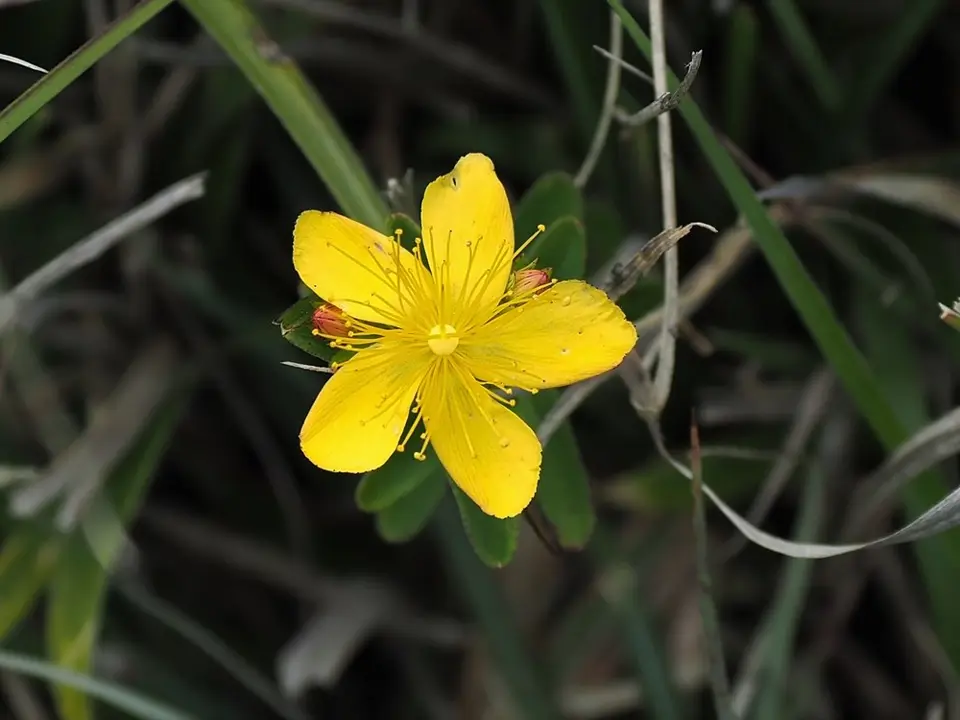
Are St. John's worts toxic to cats and dogs?
Yes. St. John's worts (Hypericum spp.) are toxic to cats and dogs, according to the ASPCA Animal Poison Control Center. Plant Smart rates their effects Mild, level 1 of 4. Signs include sunburn-like skin reactions to light and skin irritation.
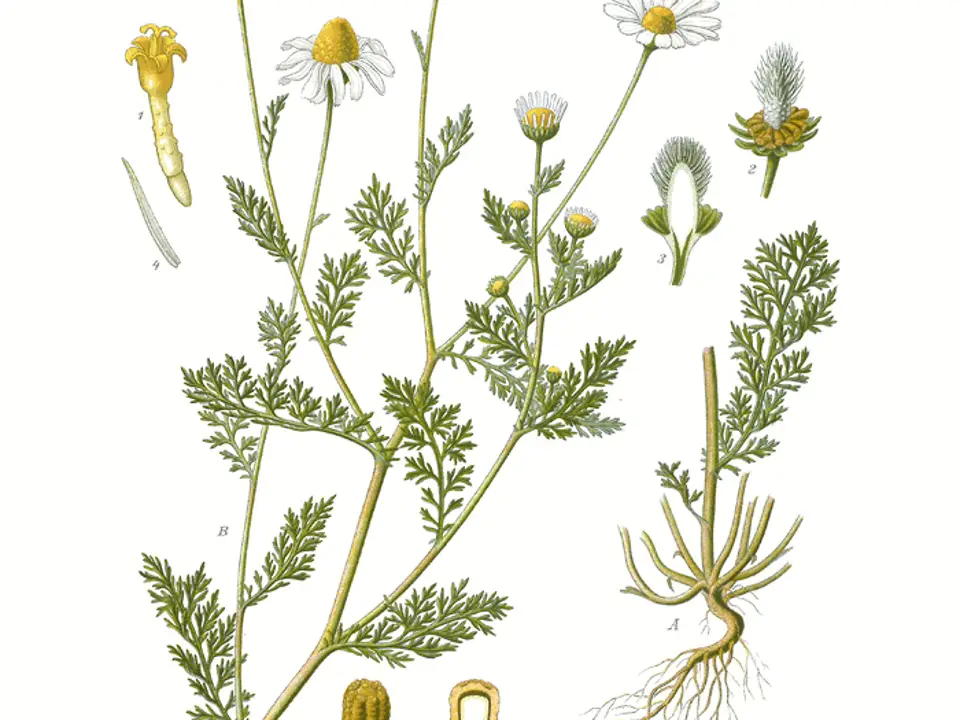

Is stinking chamomile toxic to cats and dogs?
Yes. Stinking chamomile (Anthemis cotula) is toxic to cats and dogs, according to the ASPCA Animal Poison Control Center. Plant Smart rates its effects Moderate, level 2 of 4. Signs include skin irritation, vomiting, diarrhea, loss of appetite and allergic reactions.
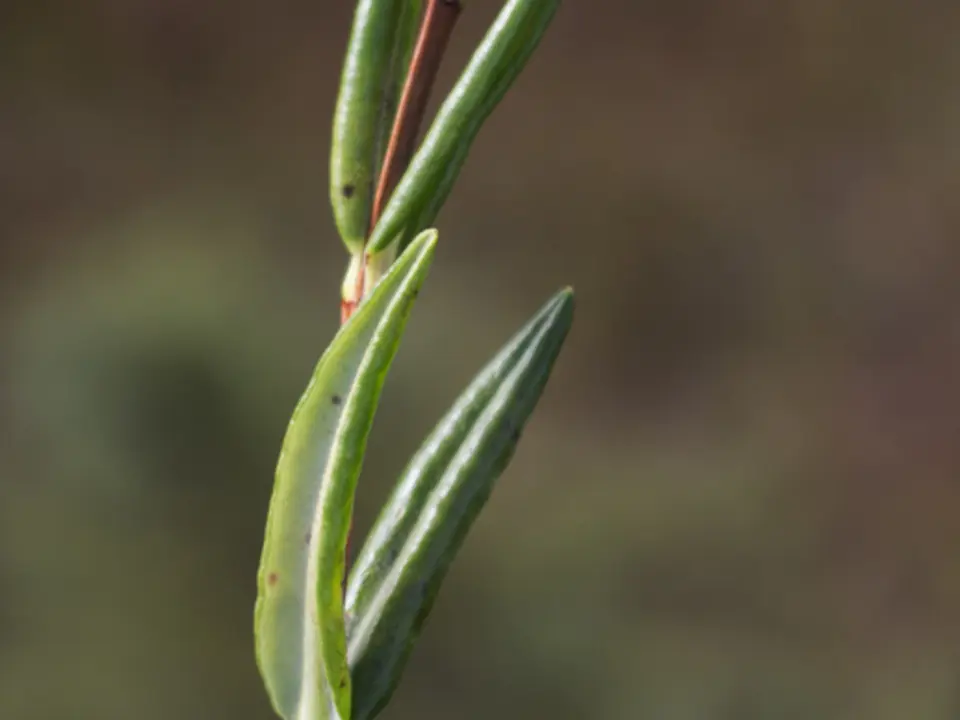
Is swamp laurel toxic to cats and dogs?
Yes. Swamp laurel (Kalmia polifolia) is toxic to cats and dogs, according to the ASPCA Animal Poison Control Center. Plant Smart rates its effects Critical, level 4 of 4. Signs include vomiting, diarrhea, weakness, heart failure, belly pain, drooling, loss of appetite, dullness or depression, wobbliness or poor coordination, stupor, paralysis, weak pulse, lying down and unable to get up, coma, tremors, seizures, fast heartbeat and trouble breathing. Eaten in quantity, it can be fatal.
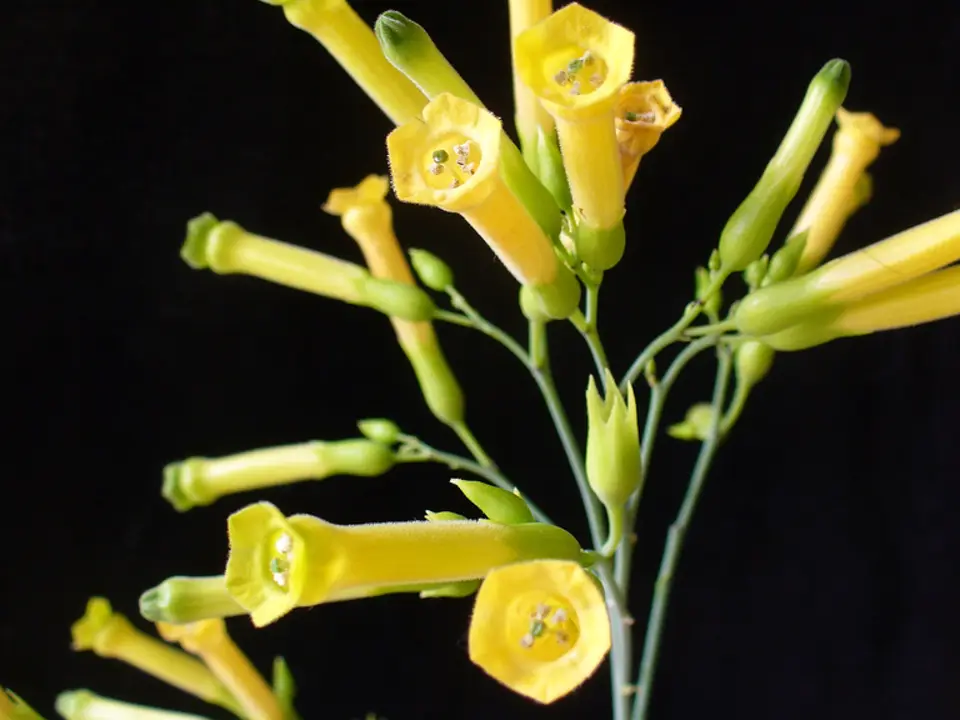
Is tree tobacco toxic to cats and dogs?
Yes. Tree tobacco (Nicotiana glauca) is toxic to cats and dogs, according to the ASPCA Animal Poison Control Center. Plant Smart rates its effects Critical, level 4 of 4. Signs include overexcitement, dullness or depression, vomiting, wobbliness or poor coordination, paralysis, drooling, diarrhea, trouble breathing and tremors. Eaten in quantity, it can be fatal.
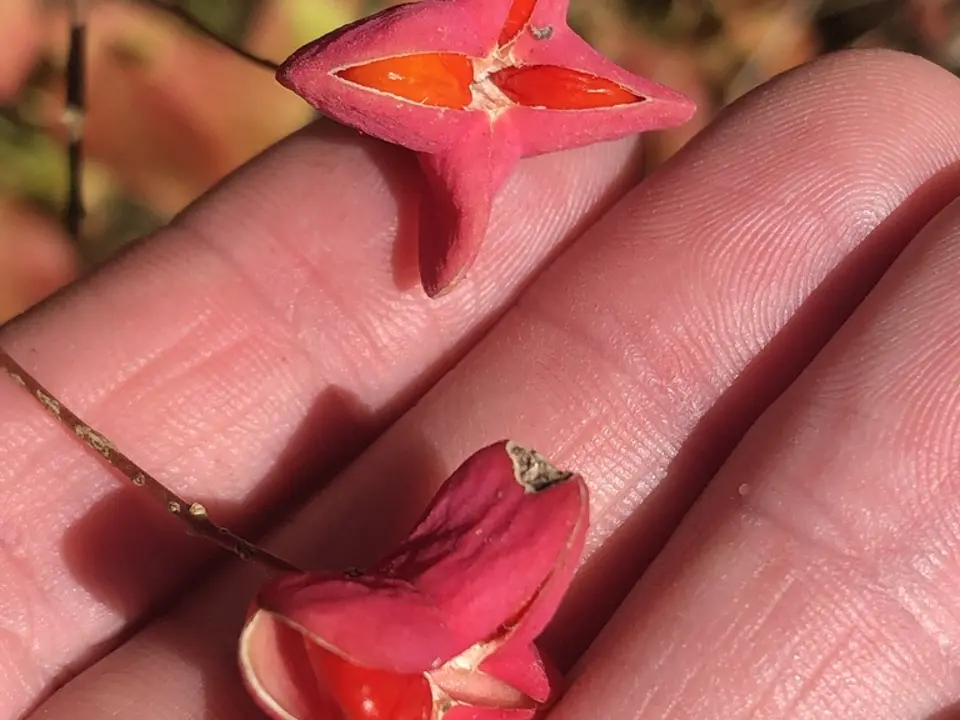
Is wahoo toxic to cats and dogs?
Yes. Wahoo (Euonymus atropurpurea) is toxic to cats and dogs, according to the ASPCA Animal Poison Control Center. Plant Smart rates its effects Moderate, level 2 of 4. Signs include vomiting, diarrhea, belly pain, weakness and irregular heartbeat.
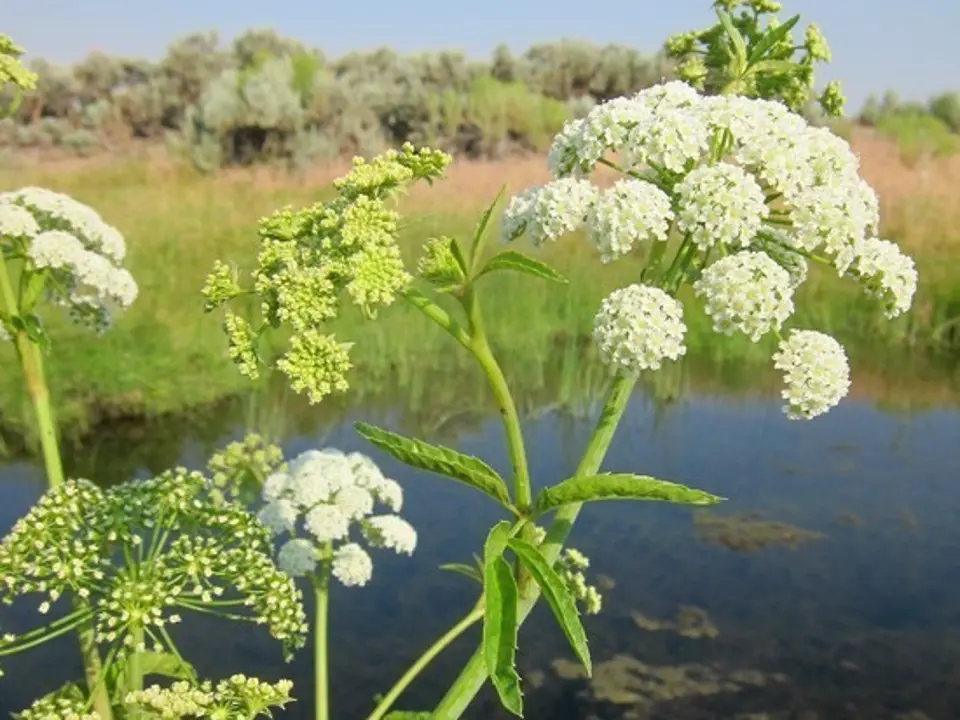
Is water hemlock toxic to cats and dogs?
Yes. Water hemlock (Cicuta maculata) is toxic to cats and dogs, according to the ASPCA Animal Poison Control Center. Plant Smart rates its effects Critical, level 4 of 4. Signs include diarrhea, seizures, tremors, belly pain, dilated pupils, fever, bloating and slow, shallow breathing. Eaten in quantity, it can be fatal. Also called common water-hemlock, victorin's water-hemlock, spotted water-hemlock and bolander's water-hemlock.
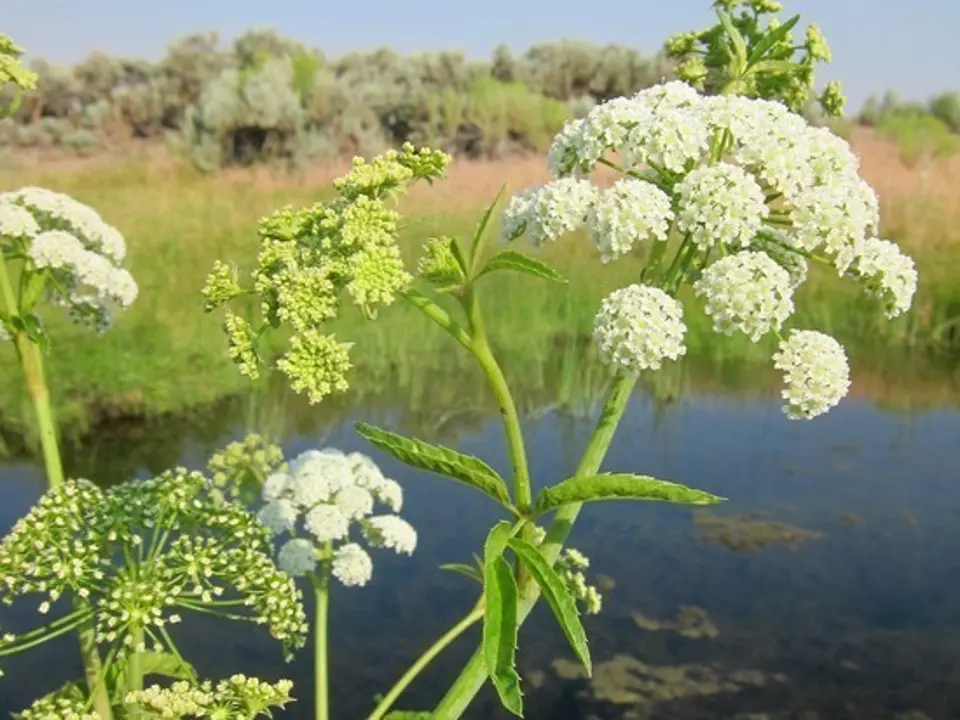
Are water hemlocks toxic to cats and dogs?
Yes. Water hemlocks (Cicuta spp.) are toxic to cats and dogs, according to the ASPCA Animal Poison Control Center. Plant Smart rates their effects Critical, level 4 of 4. Signs include diarrhea, seizures, tremors, belly pain, dilated pupils, fever, bloating, slow, shallow breathing, drooling and respiratory paralysis. Eaten in quantity, it can be fatal.
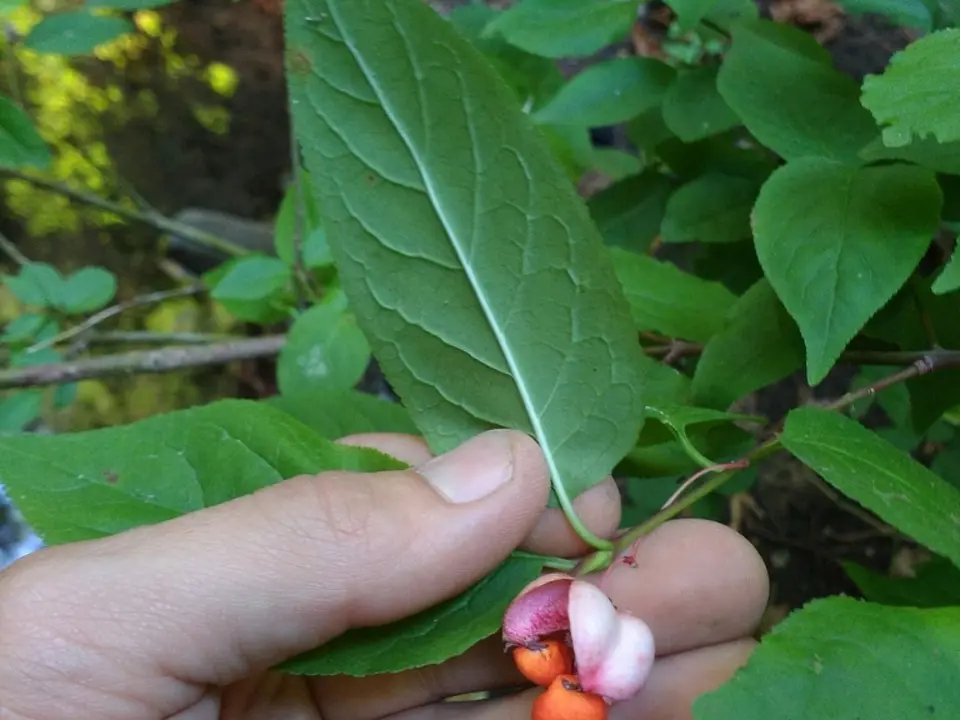
Is western burning bush toxic to cats and dogs?
Yes. Western burning bush (Euonymus occidentalis) is toxic to cats and dogs, according to the ASPCA Animal Poison Control Center. Plant Smart rates its effects Moderate, level 2 of 4. Signs include vomiting, diarrhea, belly pain, weakness and irregular heartbeat. Also called parish's burning bush.
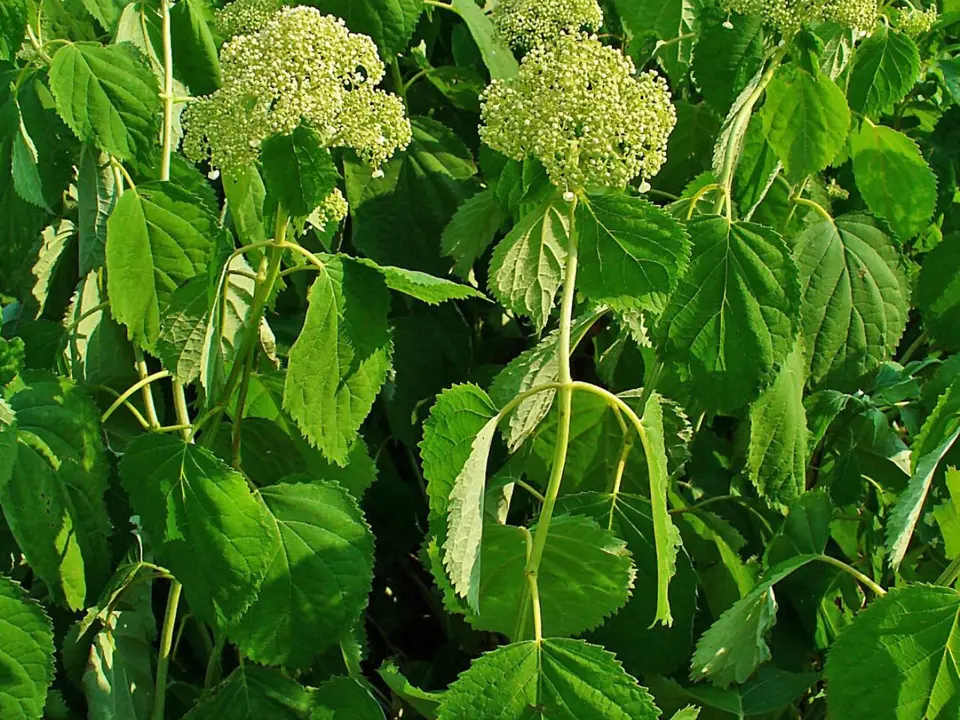

Is wild hydrangea toxic to cats and dogs?
Yes. Wild hydrangea (Hydrangea arborescens) is toxic to cats and dogs, according to the ASPCA Animal Poison Control Center. Plant Smart rates its effects Moderate, level 2 of 4. Signs include vomiting, dullness or depression, diarrhea and belly pain. Also called hortensia.
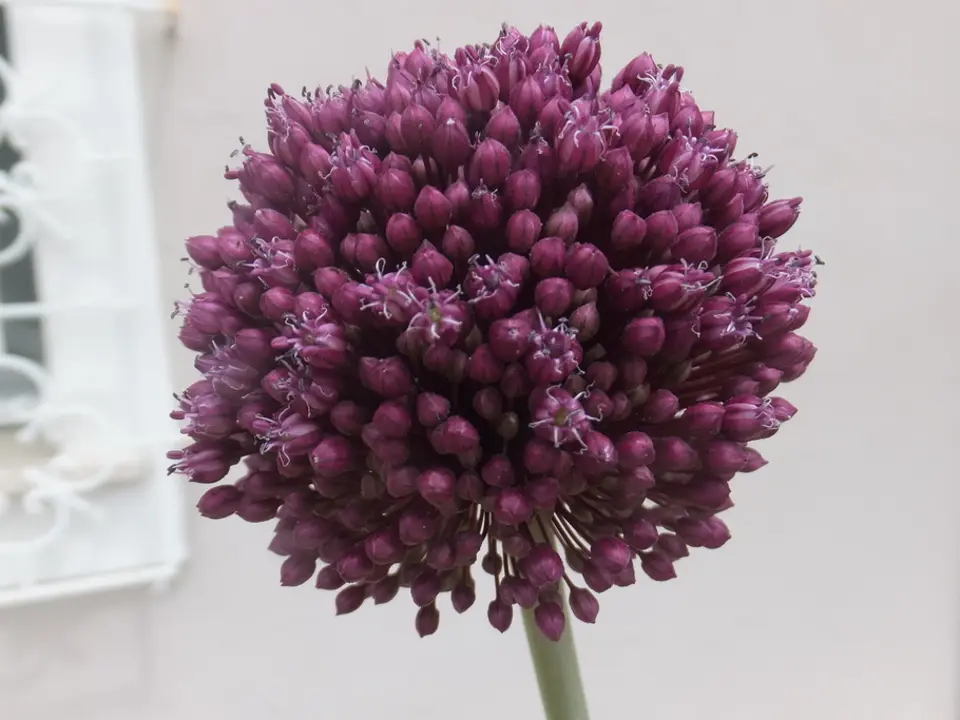
Is wild leek toxic to cats and dogs?
Yes. Wild leek (Allium ampeloprasum) is toxic to cats and dogs, according to the ASPCA Animal Poison Control Center. Plant Smart rates its effects Critical, level 4 of 4. Signs include vomiting, anemia (pale gums), weakness, fast heartbeat, panting, blood in the urine, weak pulse, wobbliness or poor coordination, collapse and trouble breathing. Also called wild leek, broadleaf wild leek and babington's leek.
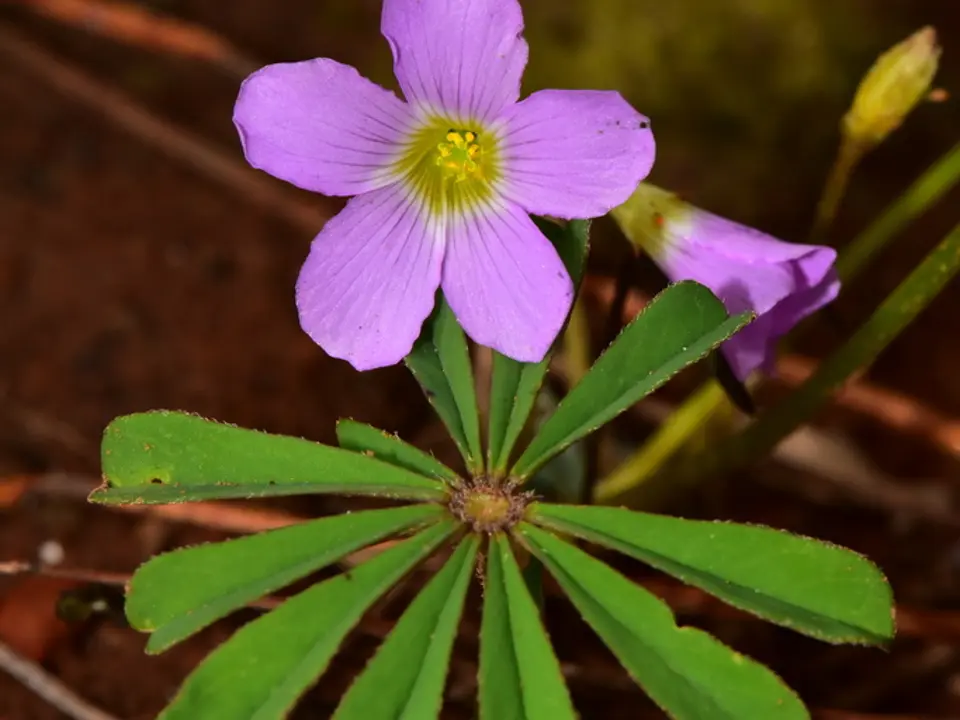
Are woodsorrels toxic to cats and dogs?
Yes. Woodsorrels (Oxalis spp.) are toxic to cats and dogs, according to the ASPCA Animal Poison Control Center. Plant Smart rates their effects Critical, level 4 of 4. Signs include kidney failure, tremors, drooling, weakness, dullness or depression, lying down and unable to get up and coma.
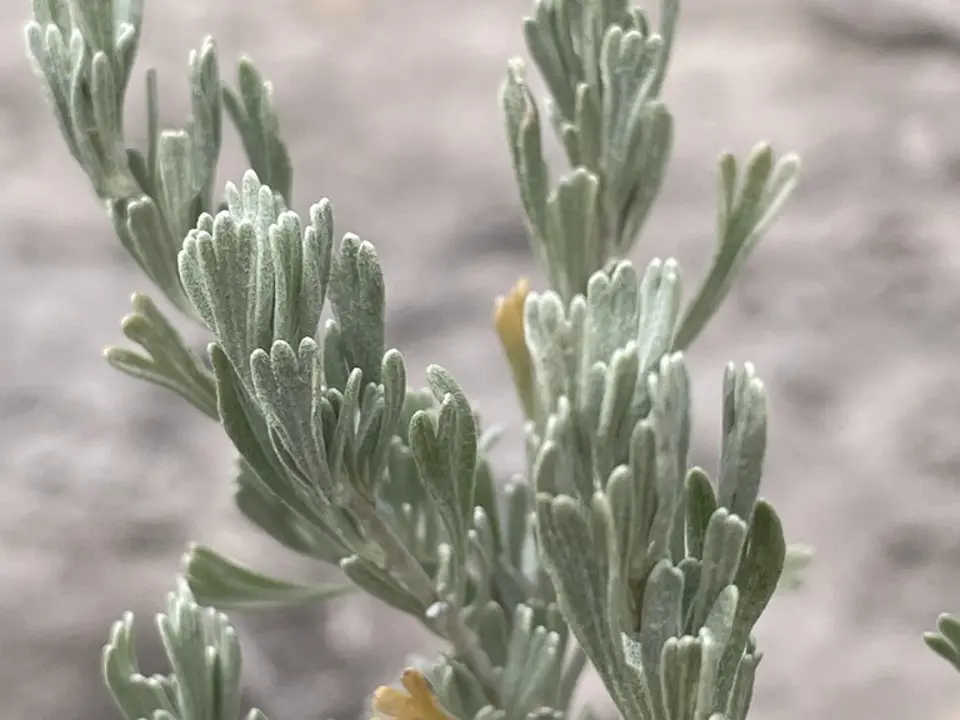
Are wormwoods and sagebrushes toxic to cats and dogs?
Yes. Wormwoods and sagebrushes (Artemisia spp.) are toxic to cats and dogs, according to the ASPCA Animal Poison Control Center. Plant Smart rates their effects Moderate, level 2 of 4. Signs include vomiting, diarrhea, loss of appetite, wobbliness or poor coordination, overexcitement and trouble breathing.
§ 040 · Questions
Questions about wild plants and weeds toxic to cats and dogs
Which of these are the most dangerous?
Plant Smart rates Black nightshade, Carolina horsenettle, Common purslane, Docks, Groundsels, Jerusalem oak, Lyonias and Mayapple Critical, the highest of its four levels.
What should I do if my pet ate one?
Call your vet or a pet poison hotline right away, even before signs appear: the ASPCA Animal Poison Control Center at (888) 426-4435, or Pet Poison Helpline at (855) 764-7661. Both charge a fee. Have the plant, or a photo of it, to hand.
Where does this list come from?
From the ASPCA Animal Poison Control Center's plant list, by way of Plant Smart, which adds a four-level severity rating.
Is a plant missing from this list safe?
Not necessarily. A plant can be missing because nobody has reported a case. Call your vet if your pet eats any plant and seems unwell.