
§ Toxic plants · 46 plants · Checked Oct 2026
Houseplants toxic to cats and dogs
Foliage plants and succulents kept indoors, where a bored cat or a puppy can reach them. The ASPCA Animal Poison Control Center lists all 46 as toxic to cats and dogs; each one below has the signs to watch for and a severity rating from Plant Smart.
Get a permanent discount if you join Early Access. iPhone and Android, in the contiguous U.S.
§ 010 · The list
Every plant on this list
| Plant | Cats | Dogs | Severity |
|---|---|---|---|
| Aloe vera Aloe vera | Toxic | Toxic | Mild |
| Australian umbrella tree Schefflera actinophylla | Toxic | Toxic | Mild |
| Balsam Clusia major | Toxic | Toxic | Moderate |
| Begonias Begonia spp. | Toxic | Toxic | Severe |
| Bush lilies Clivia spp. | Toxic | Toxic | Severe |
| Caladium Caladium spp. | Toxic | Toxic | Mild |
| Cardboard cycad Zamia furfuracea | Toxic | Toxic | Critical |
| Chinese banyan Ficus microcarpa | Toxic | Toxic | Critical |
| Chinese evergreen Aglaonema modestum | Toxic | Toxic | Mild |
| Common bird-of-paradise flower Strelitzia reginae | Toxic | Toxic | Mild |
| Cornstalk dracaena Dracaena deremensis | Toxic | Toxic | Severe |
| Desert rose Adenium obesum | Toxic | Toxic | Severe |
| Dracaena godseffiana Dracaena godseffiana | Toxic | Toxic | Moderate |
| Dragon trees Dracaena spp. | Toxic | Toxic | Severe |
| Dragon-tree Dracaena draco | Toxic | Toxic | Moderate |
| Dumb canes Dieffenbachia amoena | Toxic | Toxic | Mild |
| Elephant ears Colocasia spp. | Toxic | Toxic | Mild |
| Elephant's-ears Alocasia spp. | Toxic | Toxic | Mild |
| Fiddle-leaf fig Ficus lyrata | Toxic | Toxic | Critical |
| Fire stick Euphorbia tirucalli | Toxic | Toxic | Moderate |
| Flamingo flower Anthurium scherzerianum | Toxic | Toxic | Mild |
| Golden pothos Epipremnum aureum | Toxic | Toxic | Mild |
| Goosefoot-plant Syngonium podophyllum | Toxic | Toxic | Mild |
| Heart-leaf philodendron Philodendron cordatum | Toxic | Toxic | Mild |
| Jade plant Crassula argentea | Toxic | Toxic | Mild |
| Kalanchoes Kalanchoe spp. | Toxic | Toxic | Moderate |
| Lace aralia Polyscias guilfoylei | Toxic | Toxic | Moderate |
| Lucky bamboo Dracaena sanderiana | Toxic | Toxic | Moderate |
| Madagascar dragon-tree Dracaena marginata | Toxic | Toxic | Severe |
| Monstera Monstera deliciosa | Toxic | Toxic | Mild |
| Namaqua fig Ficus cordata | Toxic | Toxic | Severe |
| New Zealand cabbage tree Cordyline australis | Toxic | Toxic | Moderate |
| Peace lily Spathiphyllum spp. | Toxic | Toxic | Mild |
| Philodendrons Philodendron spp. | Toxic | Toxic | Mild |
| Rubber plant Ficus elastica | Toxic | Toxic | Severe |
| Sago cycad Cycas revoluta | Toxic | Toxic | Critical |
| Satin pothos Scindapsus pictus | Toxic | Toxic | Mild |
| Silver dollar plant Crassula arborescens | Toxic | Toxic | Mild |
| Small-leaf spiderwort Tradescantia fluminensis | Toxic | Toxic | Mild |
| Snake plant Sansevieria trifasciata | Toxic | Toxic | Mild |
| Sprenger's asparagus Asparagus densiflorus | Toxic | Toxic | Moderate |
| Ti Cordyline terminalis | Toxic | Toxic | Moderate |
| Tree philodendron Philodendron bipinnatifidum | Toxic | Toxic | Mild |
| Tuftroot Dieffenbachia picta | Toxic | Toxic | Mild |
| Umbrella trees Schefflera spp. | Toxic | Toxic | Mild |
| Weeping fig Ficus benjamina | Toxic | Toxic | Moderate |
§ 020 · If it happened
What to do if your pet ate one
Call your vet or a pet poison hotline straight away, even if your pet seems fine: the ASPCA Animal Poison Control Center, (888) 426-4435, or Pet Poison Helpline, (855) 764-7661. Both are open 24 hours and charge a fee. Have the plant or a photo of it to hand, and don’t make your pet vomit unless a vet tells you to.
§ 030 · Plant by plant
Plant by plant
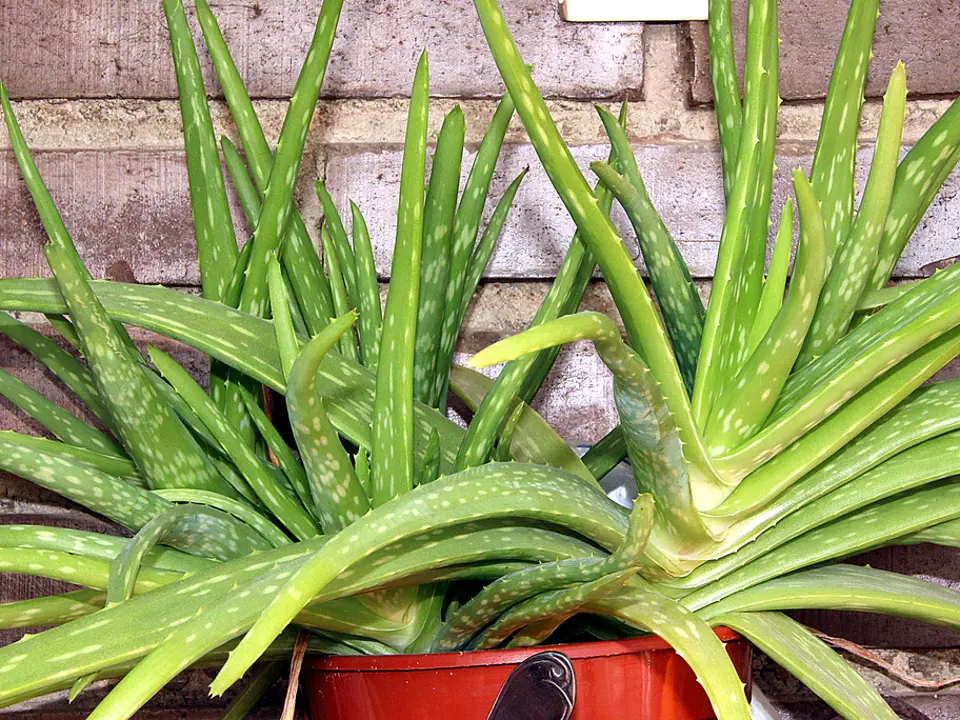
Is aloe vera toxic to cats and dogs?
Yes. Aloe vera (Aloe vera) is toxic to cats and dogs, according to the ASPCA Animal Poison Control Center. Plant Smart rates its effects Mild, level 1 of 4. Signs include vomiting, lethargy and diarrhea. Also called Chinese aloe. Read the full page on aloe vera.
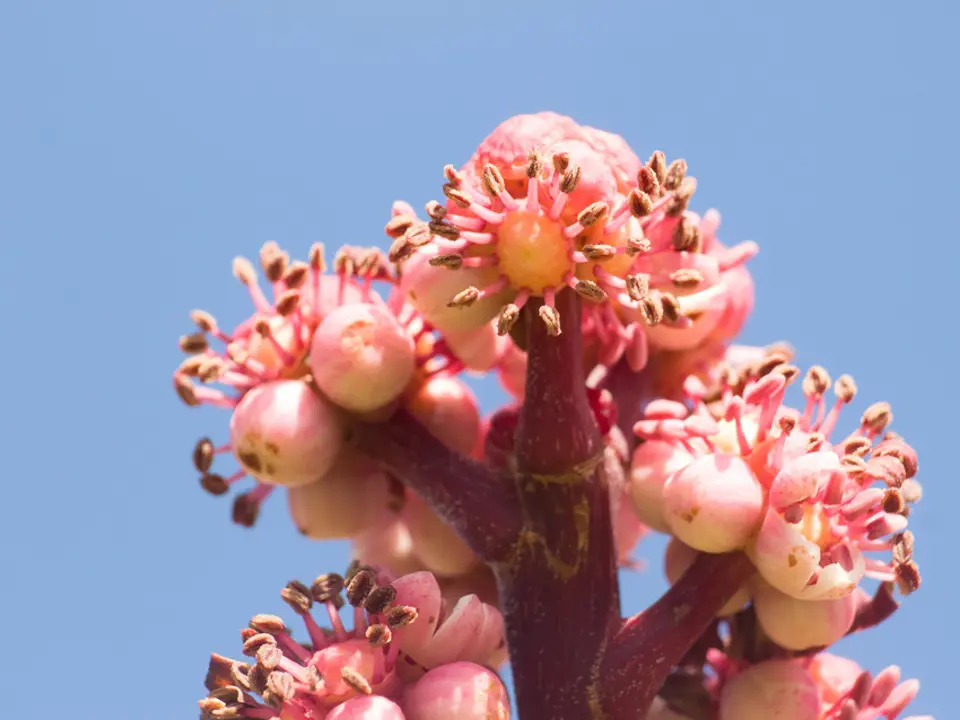
Is Australian umbrella tree toxic to cats and dogs?
Yes. Australian umbrella tree (Schefflera actinophylla) is toxic to cats and dogs, according to the ASPCA Animal Poison Control Center. Plant Smart rates its effects Mild, level 1 of 4. Signs include mouth irritation, drooling, vomiting and trouble swallowing.
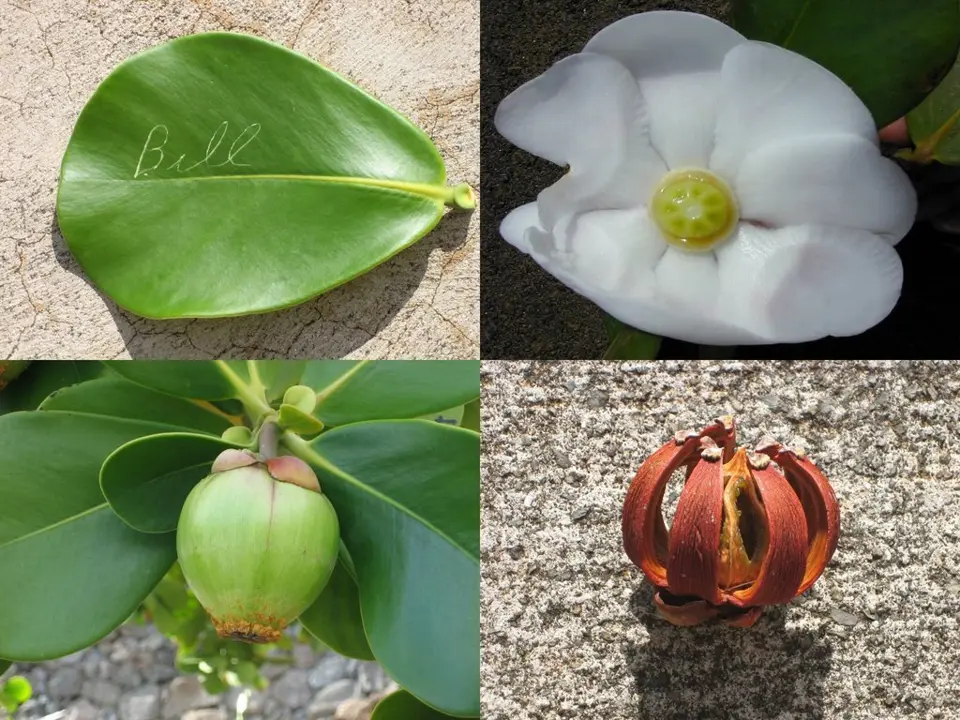
Is balsam toxic to cats and dogs?
Yes. Balsam (Clusia major) is toxic to cats and dogs, according to the ASPCA Animal Poison Control Center. Plant Smart rates its effects Moderate, level 2 of 4. Signs include vomiting and belly pain. Also called wild balsam.


Are begonias toxic to cats and dogs?
Yes. Begonias (Begonia spp.) are toxic to cats and dogs, according to the ASPCA Animal Poison Control Center. Plant Smart rates their effects Severe, level 3 of 4. Signs include kidney failure, vomiting and drooling.
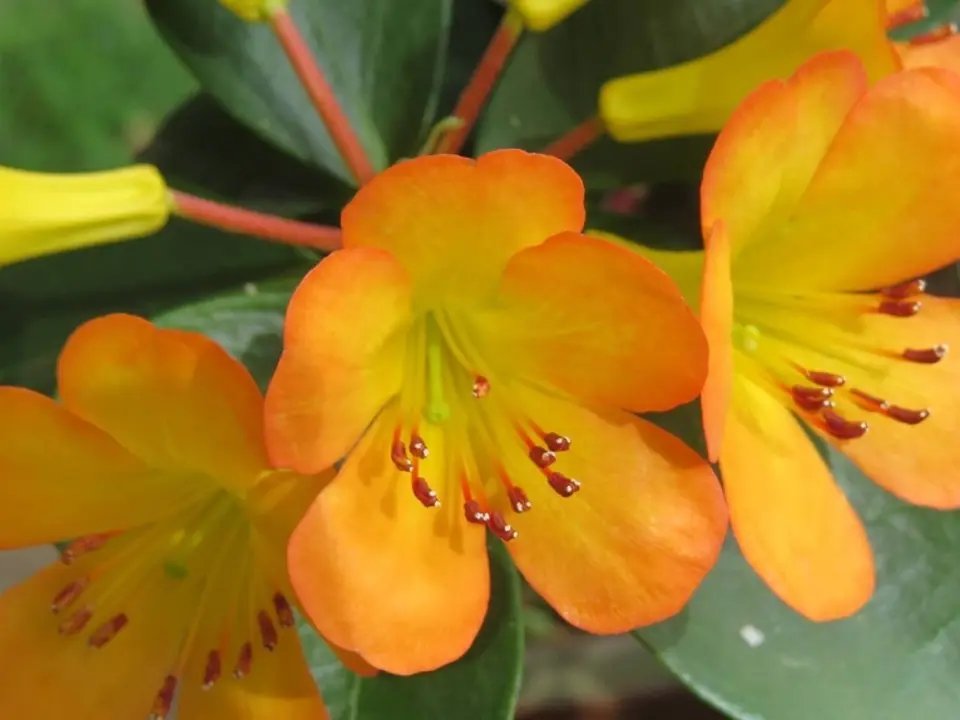
Are bush lilies toxic to cats and dogs?
Yes. Bush lilies (Clivia spp.) are toxic to cats and dogs, according to the ASPCA Animal Poison Control Center. Plant Smart rates their effects Severe, level 3 of 4. Signs include vomiting, drooling, diarrhea, seizures, low blood pressure, tremors and irregular heartbeat.
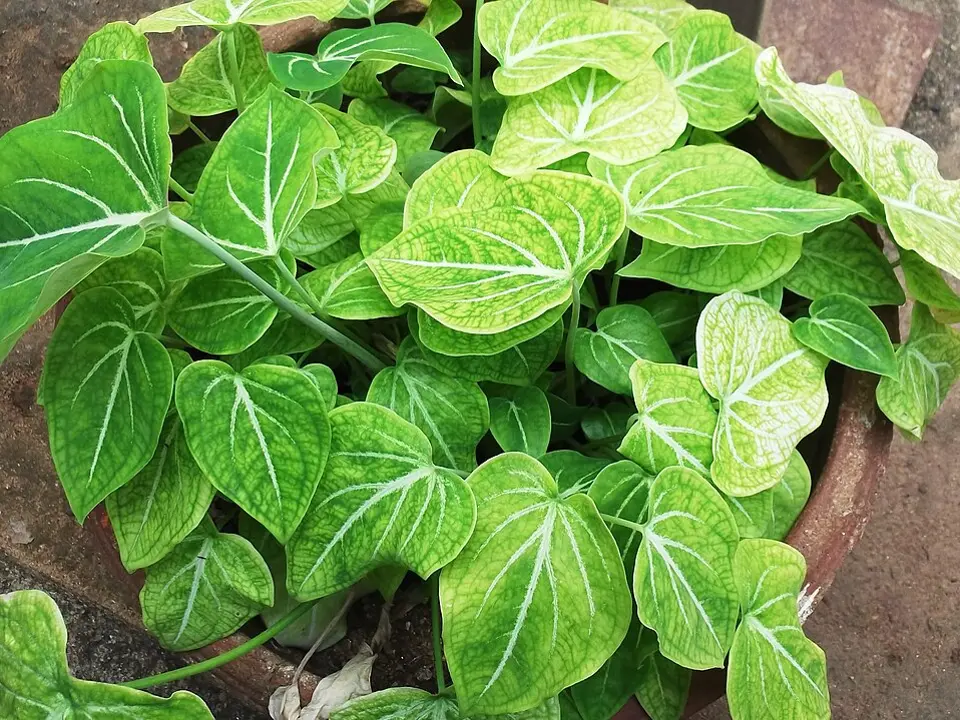

Is caladium toxic to cats and dogs?
Yes. Caladium (Caladium spp.) is toxic to cats and dogs, according to the ASPCA Animal Poison Control Center. Plant Smart rates its effects Mild, level 1 of 4. Signs include mouth irritation, drooling, vomiting and trouble swallowing.
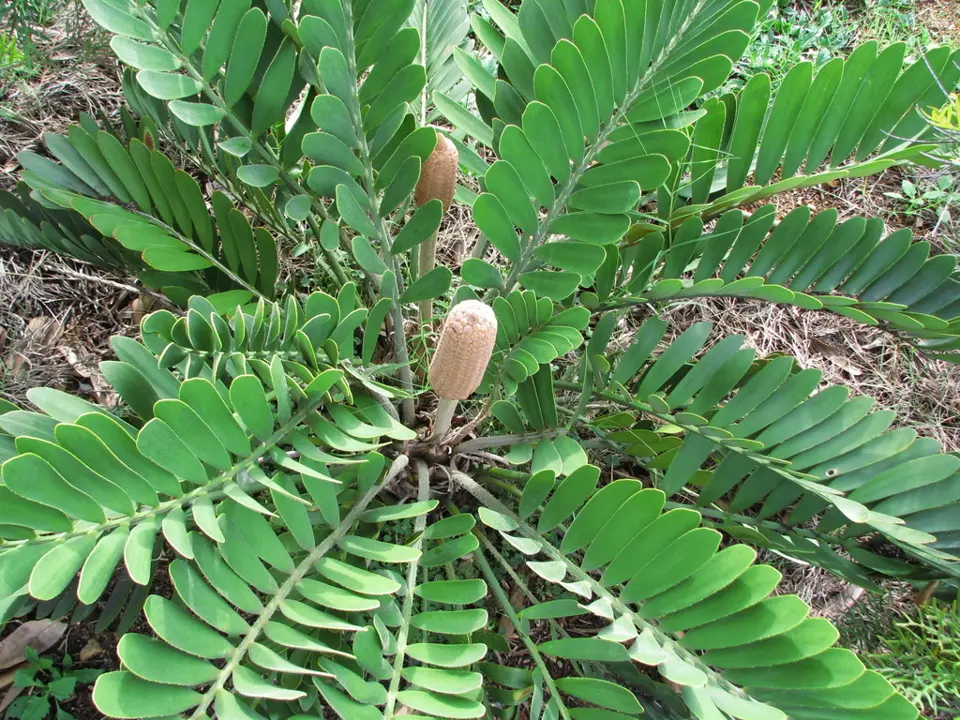
Is cardboard cycad toxic to cats and dogs?
Yes. Cardboard cycad (Zamia furfuracea) is toxic to cats and dogs, according to the ASPCA Animal Poison Control Center. Plant Smart rates its effects Critical, level 4 of 4. Signs include vomiting, dark stools, jaundice (yellow gums or eyes), drinking more than usual, bloody diarrhea, bruising and liver failure. Eaten in quantity, it can be fatal.
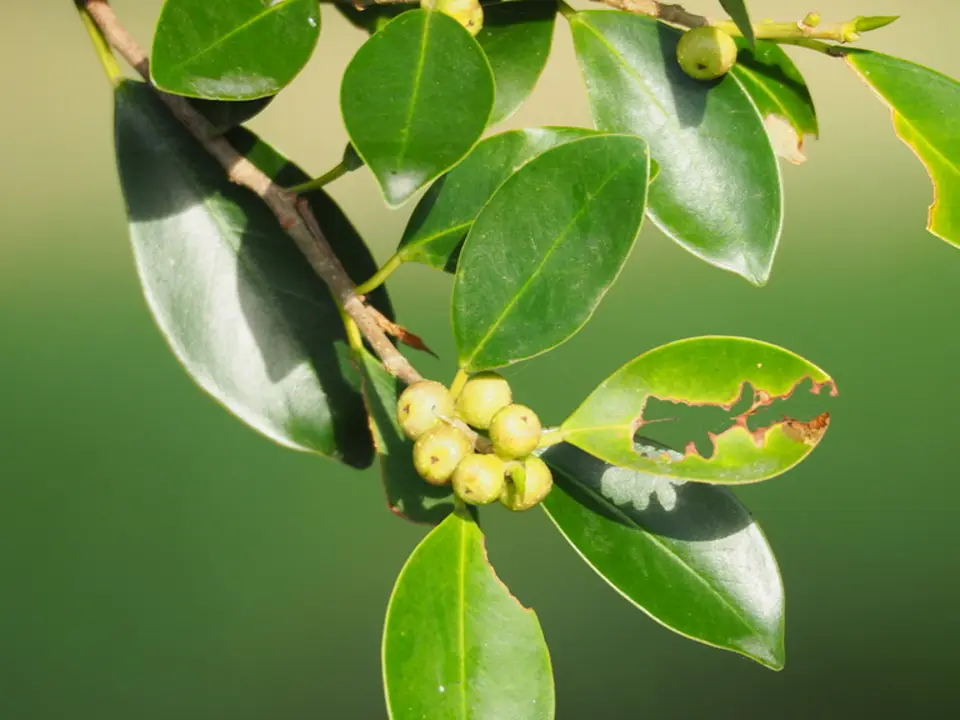
Is Chinese banyan toxic to cats and dogs?
Yes. Chinese banyan (Ficus microcarpa) is toxic to cats and dogs, according to the ASPCA Animal Poison Control Center. Plant Smart rates its effects Critical, level 4 of 4. Signs include weak pulse, fast heartbeat, mouth irritation, drooling, trouble swallowing, vomiting, diarrhea, respiratory failure and seizures. Also called malay banyan.
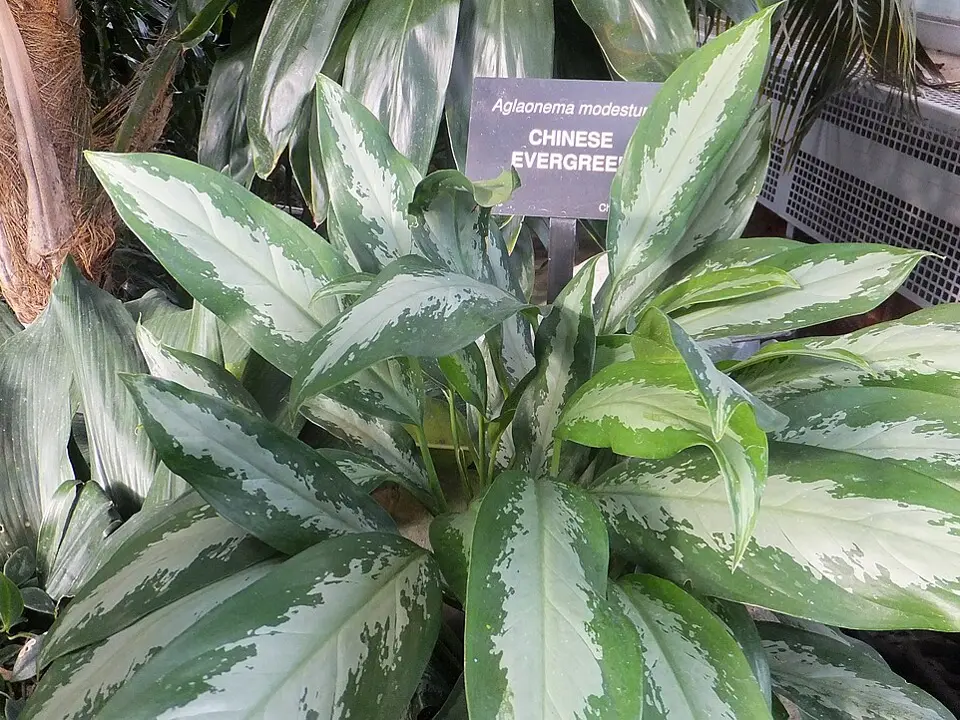

Is Chinese evergreen toxic to cats and dogs?
Yes. Chinese evergreen (Aglaonema modestum) is toxic to cats and dogs, according to the ASPCA Animal Poison Control Center. Plant Smart rates its effects Mild, level 1 of 4. Signs include mouth irritation, drooling, vomiting and trouble swallowing.
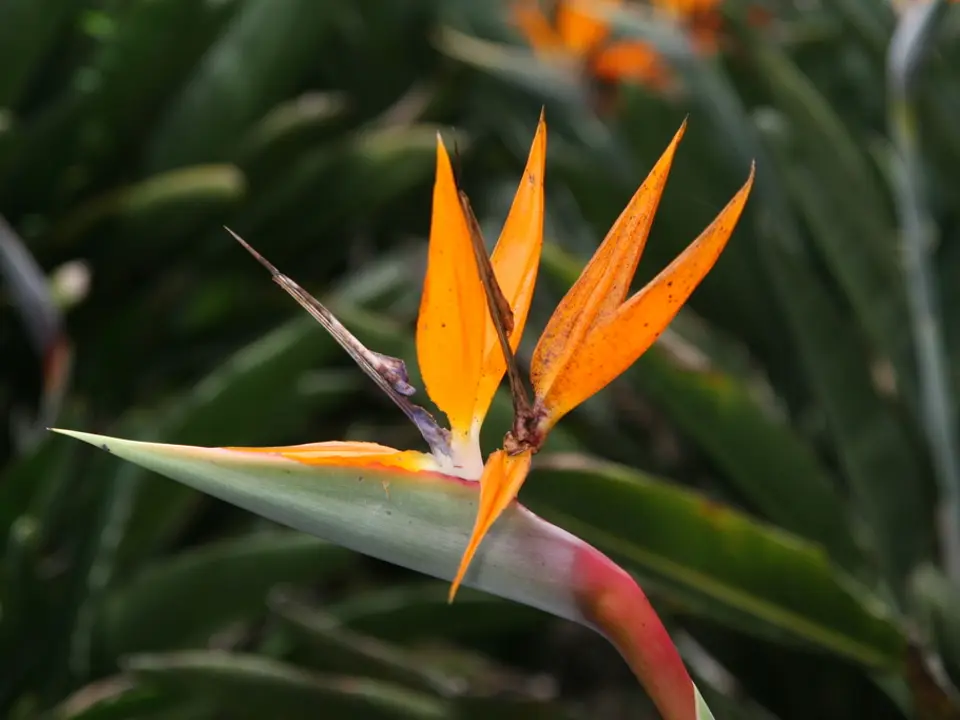
Is common bird-of-paradise flower toxic to cats and dogs?
Yes. Common bird-of-paradise flower (Strelitzia reginae) is toxic to cats and dogs, according to the ASPCA Animal Poison Control Center. Plant Smart rates its effects Mild, level 1 of 4. Signs include nausea, vomiting, lethargy and drowsiness. Also called crane flower, african desert banana and mzimvubu craneflower.
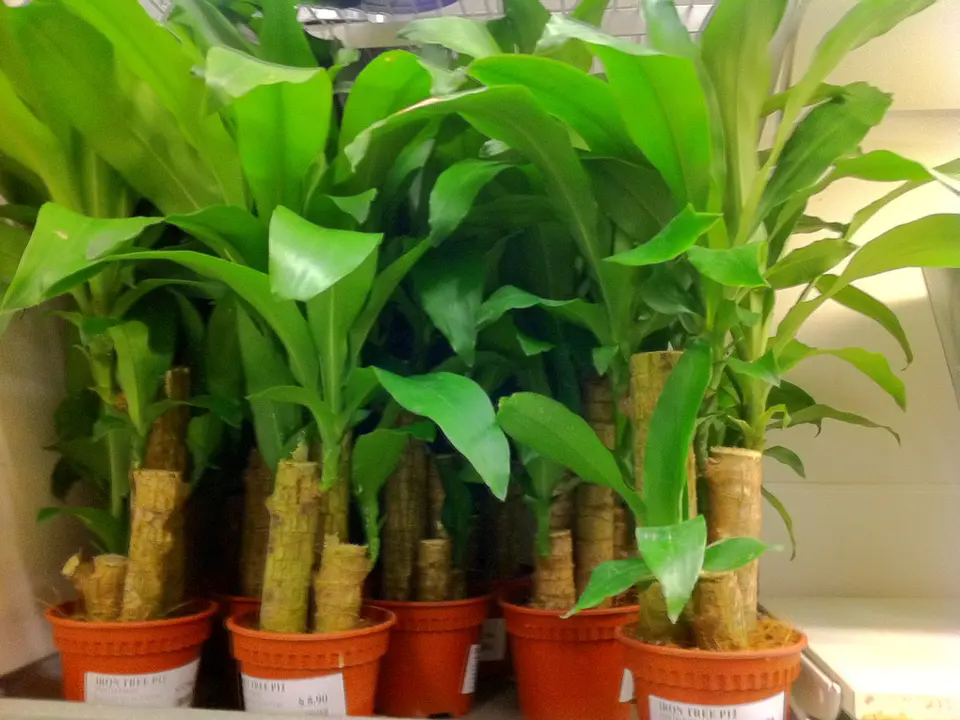
.jpg)
Is cornstalk dracaena toxic to cats and dogs?
Yes. Cornstalk dracaena (Dracaena deremensis) is toxic to cats and dogs, according to the ASPCA Animal Poison Control Center. Plant Smart rates its effects Severe, level 3 of 4. Signs include dilated pupils, belly pain, fast heartbeat, drooling, vomiting, dullness or depression, loss of appetite, wobbliness or poor coordination and weakness.

![This Photo was taken by Timothy A. Gonsalves. Feel free to use my photos, but please mention me as the author. I would much appreciate if you send me an email [email protected] or write on my talk page, for my information. Please contact me before commercial use. Please do not upload an edited image here without consulting me. I would like to make corrections only at my own source to ensure that the changes improve the image and are preserved.Otherwise you may upload an edited image with a new name. Please use one of the templates derivative or extract., CC BY-SA 4.0, via Wikimedia Commons](https://commons.wikimedia.org/wiki/File:Adenium_Obesum_Flower_Side_Macro_Mar22_D72_23052-58_ZS_P.jpg)
Is desert rose toxic to cats and dogs?
Yes. Desert rose (Adenium obesum) is toxic to cats and dogs, according to the ASPCA Animal Poison Control Center. Plant Smart rates its effects Severe, level 3 of 4. Signs include vomiting, diarrhea, loss of appetite, dullness or depression and irregular heartbeat. Eaten in quantity, it can be fatal. Also called impala lily and socotran desert rose.
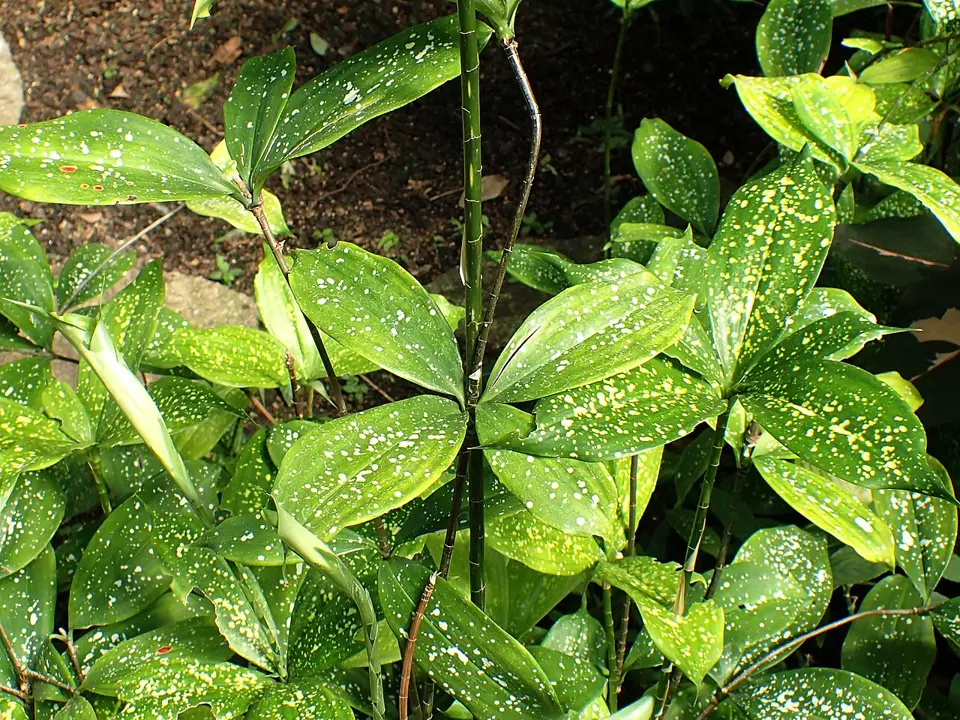

Is Dracaena godseffiana toxic to cats and dogs?
Yes. Dracaena godseffiana (Dracaena godseffiana) is toxic to cats and dogs, according to the ASPCA Animal Poison Control Center. Plant Smart rates its effects Moderate, level 2 of 4. Signs include vomiting, dullness or depression, loss of appetite, drooling and dilated pupils.

Are dragon trees toxic to cats and dogs?
Yes. Dragon trees (Dracaena spp.) are toxic to cats and dogs, according to the ASPCA Animal Poison Control Center. Plant Smart rates their effects Severe, level 3 of 4. Signs include loss of appetite, drooling, dilated pupils, belly pain, fast heartbeat, vomiting, dullness or depression, wobbliness or poor coordination and weakness.
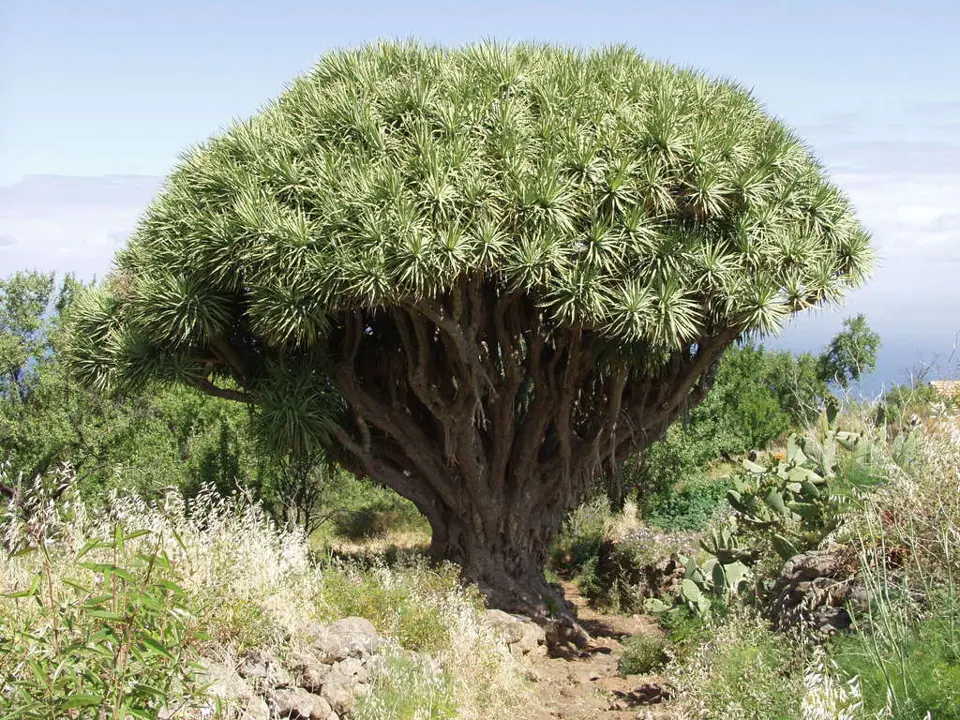
Is dragon-tree toxic to cats and dogs?
Yes. Dragon-tree (Dracaena draco) is toxic to cats and dogs, according to the ASPCA Animal Poison Control Center. Plant Smart rates its effects Moderate, level 2 of 4. Signs include vomiting, dullness or depression, loss of appetite, drooling and dilated pupils.

_02.jpg)
Are dumb canes toxic to cats and dogs?
Yes. Dumb canes (Dieffenbachia amoena) are toxic to cats and dogs, according to the ASPCA Animal Poison Control Center. Plant Smart rates their effects Mild, level 1 of 4. Signs include mouth irritation, drooling, vomiting and trouble swallowing. Read the full page on dumb canes.
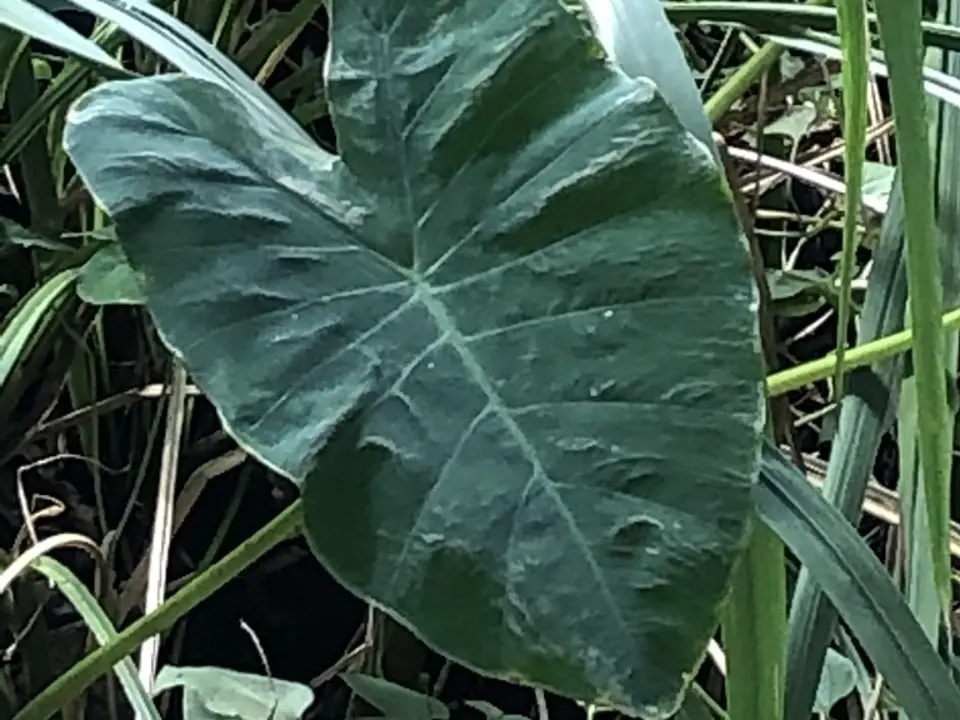
Are elephant ears toxic to cats and dogs?
Yes. Elephant ears (Colocasia spp.) are toxic to cats and dogs, according to the ASPCA Animal Poison Control Center. Plant Smart rates their effects Mild, level 1 of 4. Signs include mouth irritation, drooling, vomiting and trouble swallowing.
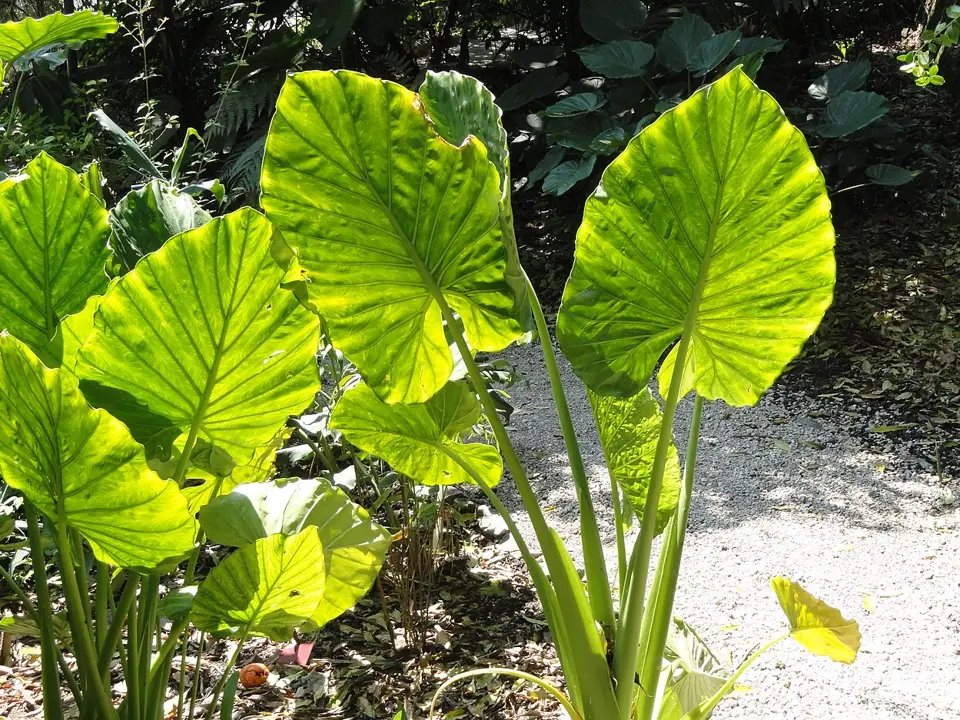

Are elephant's-ears toxic to cats and dogs?
Yes. Elephant's-ears (Alocasia spp.) are toxic to cats and dogs, according to the ASPCA Animal Poison Control Center. Plant Smart rates their effects Mild, level 1 of 4. Signs include mouth irritation, drooling, vomiting and trouble swallowing.


Is fiddle-leaf fig toxic to cats and dogs?
Yes. Fiddle-leaf fig (Ficus lyrata) is toxic to cats and dogs, according to the ASPCA Animal Poison Control Center. Plant Smart rates its effects Critical, level 4 of 4. Signs include weak pulse, fast heartbeat, mouth irritation, drooling, trouble swallowing, vomiting, diarrhea, respiratory failure and seizures. Read the full page on fiddle-leaf fig.
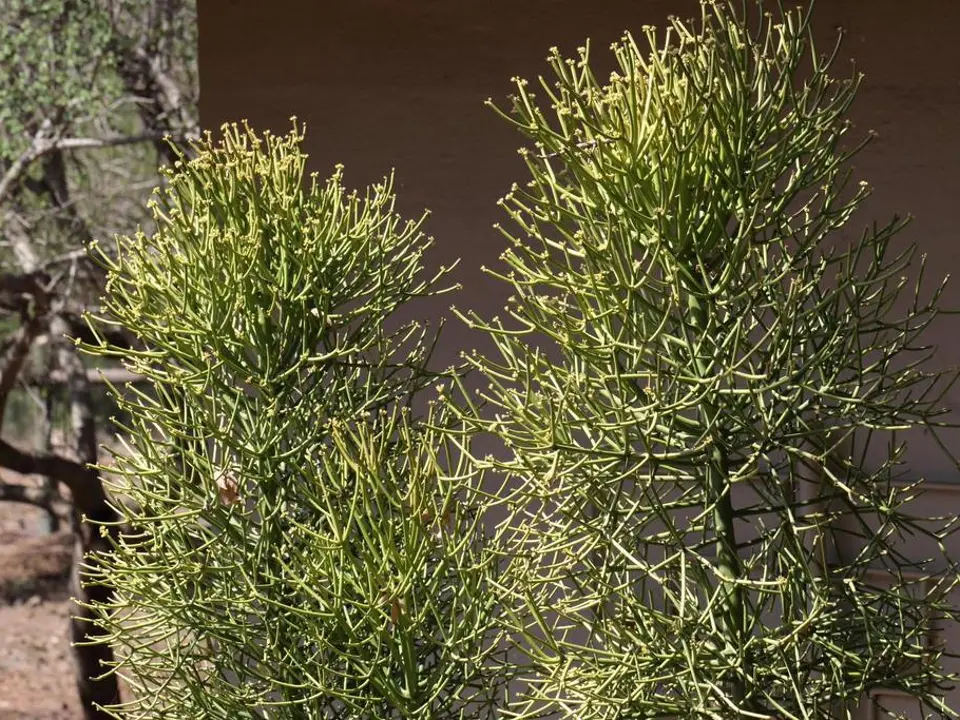
Is fire stick toxic to cats and dogs?
Yes. Fire stick (Euphorbia tirucalli) is toxic to cats and dogs, according to the ASPCA Animal Poison Control Center. Plant Smart rates its effects Moderate, level 2 of 4. Signs include mouth irritation, belly pain and vomiting. Also called pencil cactus, Christmas cholla and branched pencil cholla.
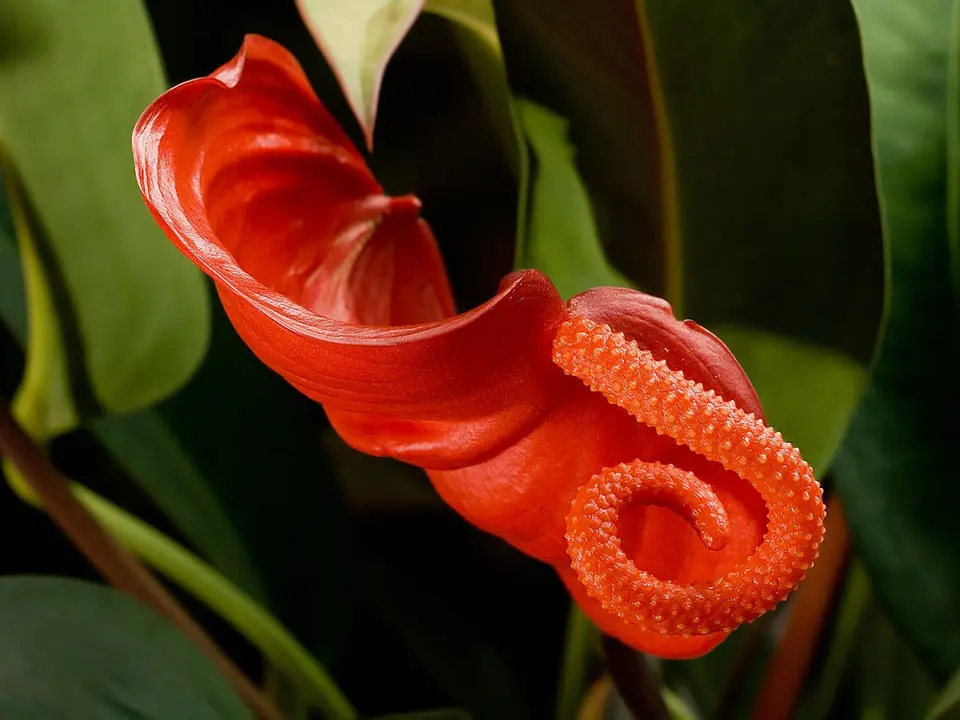

Is flamingo flower toxic to cats and dogs?
Yes. Flamingo flower (Anthurium scherzerianum) is toxic to cats and dogs, according to the ASPCA Animal Poison Control Center. Plant Smart rates its effects Mild, level 1 of 4. Signs include mouth irritation, drooling, vomiting and trouble swallowing.


Are golden pothos toxic to cats and dogs?
Yes. Golden pothos (Epipremnum aureum) are toxic to cats and dogs, according to the ASPCA Animal Poison Control Center. Plant Smart rates their effects Mild, level 1 of 4. Signs include mouth irritation, drooling, vomiting and trouble swallowing. Also called marble queen. Read the full page on golden pothos.
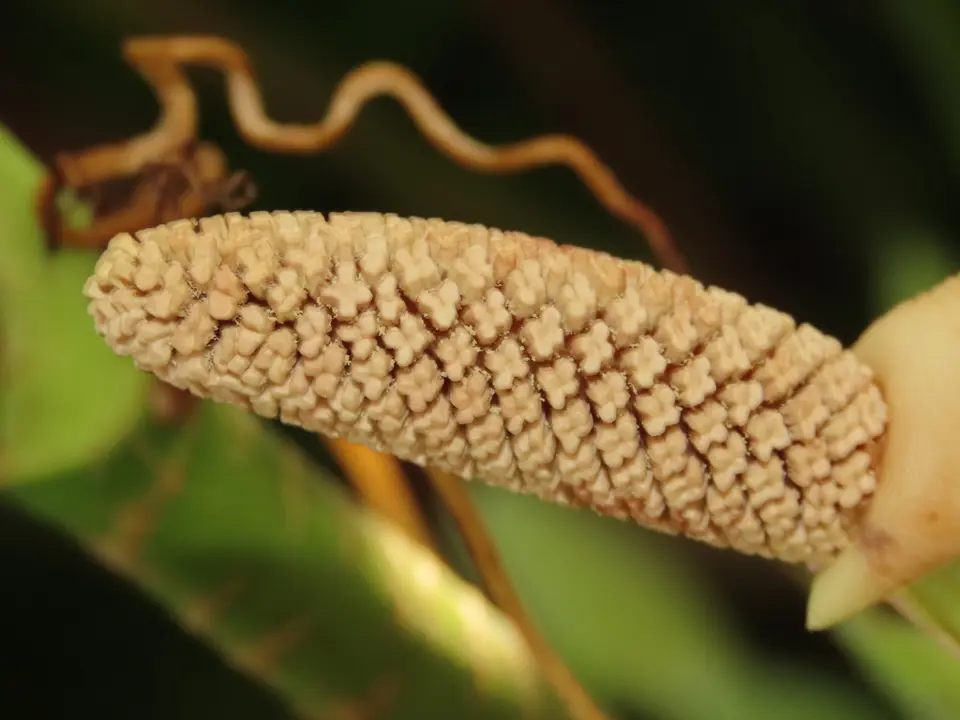
Is goosefoot-plant toxic to cats and dogs?
Yes. Goosefoot-plant (Syngonium podophyllum) is toxic to cats and dogs, according to the ASPCA Animal Poison Control Center. Plant Smart rates its effects Mild, level 1 of 4. Signs include mouth irritation, drooling, vomiting and trouble swallowing. Also called fivefingers.
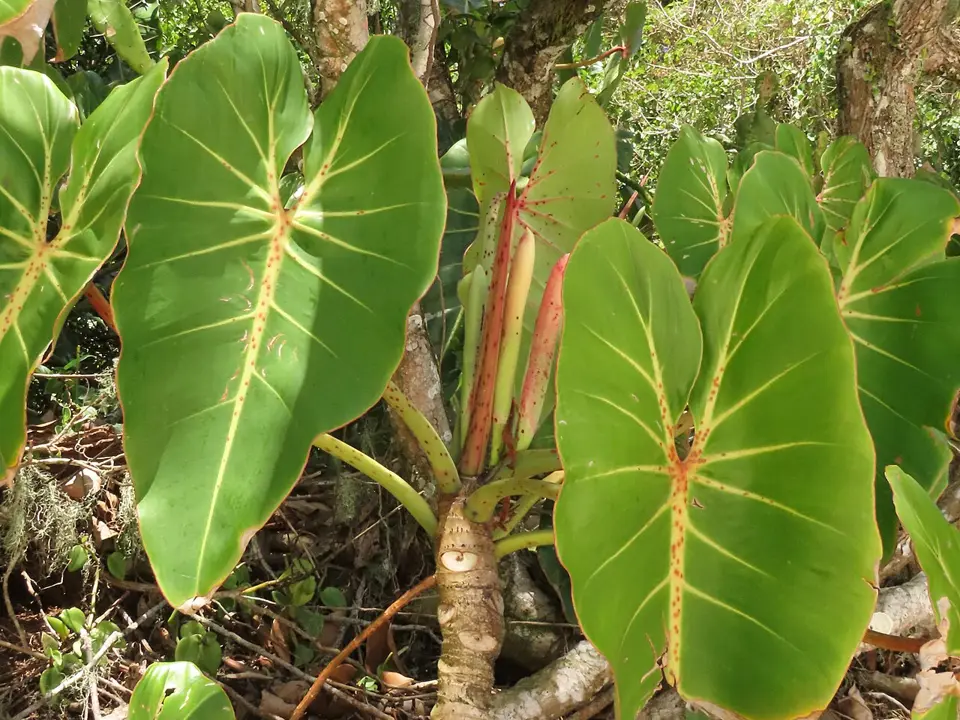

Is heart-leaf philodendron toxic to cats and dogs?
Yes. Heart-leaf philodendron (Philodendron cordatum) is toxic to cats and dogs, according to the ASPCA Animal Poison Control Center. Plant Smart rates its effects Mild, level 1 of 4. Signs include mouth irritation, drooling, vomiting and trouble swallowing.
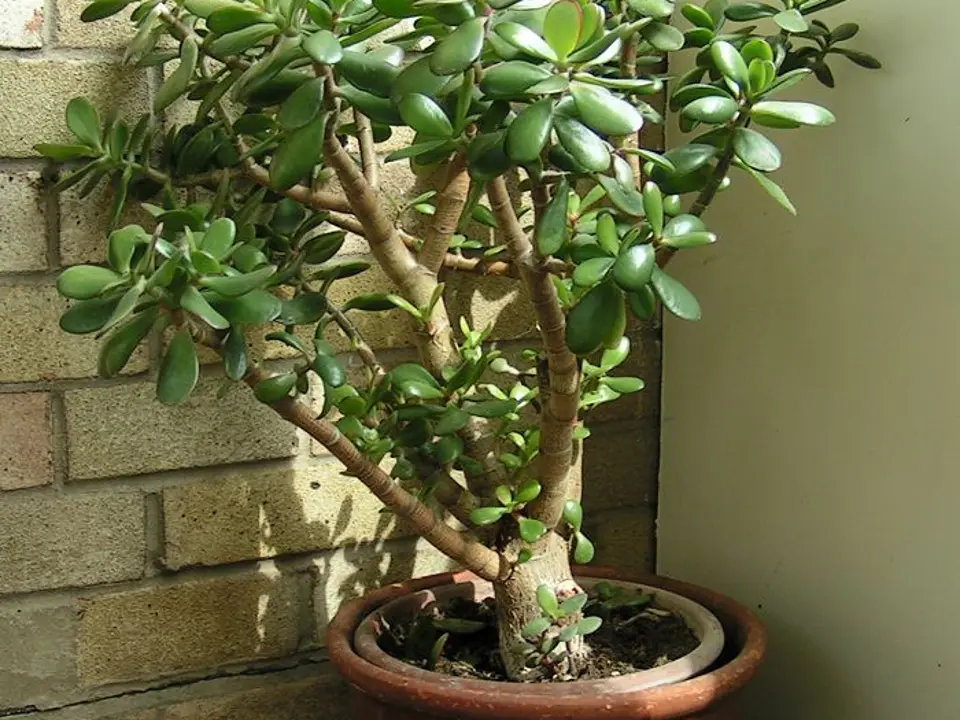

Is jade plant toxic to cats and dogs?
Yes. Jade plant (Crassula argentea) is toxic to cats and dogs, according to the ASPCA Animal Poison Control Center. Plant Smart rates its effects Mild, level 1 of 4. Signs include vomiting, dullness or depression and wobbliness or poor coordination. Read the full page on jade plant.

Are kalanchoes toxic to cats and dogs?
Yes. Kalanchoes (Kalanchoe spp.) are toxic to cats and dogs, according to the ASPCA Animal Poison Control Center. Plant Smart rates their effects Moderate, level 2 of 4. Signs include vomiting, diarrhea and irregular heartbeat. Read the full page on kalanchoes.
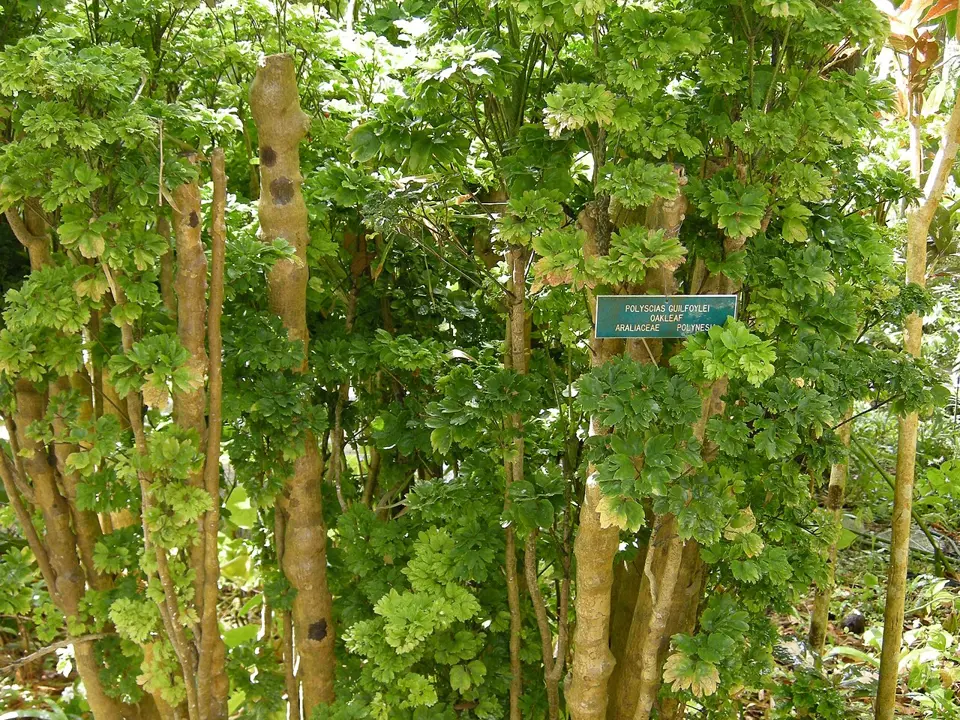

Is lace aralia toxic to cats and dogs?
Yes. Lace aralia (Polyscias guilfoylei) is toxic to cats and dogs, according to the ASPCA Animal Poison Control Center. Plant Smart rates its effects Moderate, level 2 of 4. Signs include skin irritation, vomiting, loss of appetite and dullness or depression.

.jpg)
Is lucky bamboo toxic to cats and dogs?
Yes. Lucky bamboo (Dracaena sanderiana) is toxic to cats and dogs, according to the ASPCA Animal Poison Control Center. Plant Smart rates its effects Moderate, level 2 of 4. Signs include vomiting, dullness or depression, loss of appetite, drooling and dilated pupils. Read the full page on lucky bamboo.


Is Madagascar dragon-tree toxic to cats and dogs?
Yes. Madagascar dragon-tree (Dracaena marginata) is toxic to cats and dogs, according to the ASPCA Animal Poison Control Center. Plant Smart rates its effects Severe, level 3 of 4. Signs include vomiting, dullness or depression, loss of appetite, drooling, dilated pupils, belly pain, fast heartbeat, wobbliness or poor coordination and weakness.
Is monstera toxic to cats and dogs?
Yes. Monstera (Monstera deliciosa) is toxic to cats and dogs, according to the ASPCA Animal Poison Control Center. Plant Smart rates its effects Mild, level 1 of 4. Signs include mouth irritation, drooling, vomiting and trouble swallowing. Also called Swiss cheese plant, ceriman, Mexican breadfruit and fruit salad plant. Read the full page on monstera.
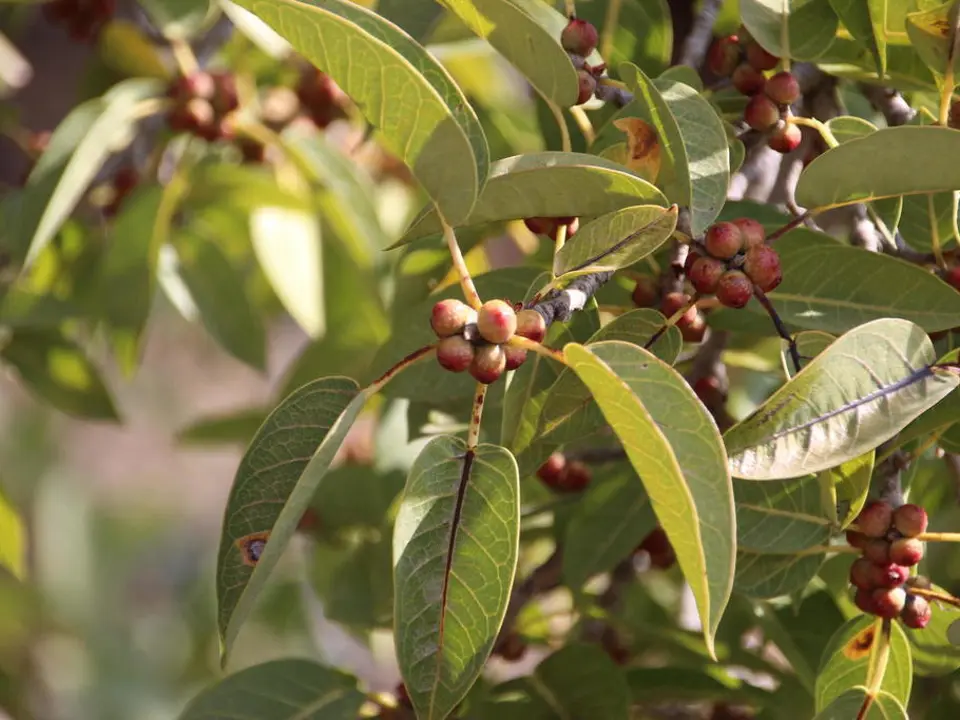
Is namaqua fig toxic to cats and dogs?
Yes. Namaqua fig (Ficus cordata) is toxic to cats and dogs, according to the ASPCA Animal Poison Control Center. Plant Smart rates its effects Severe, level 3 of 4. Signs include belly pain, drooling, skin irritation, trouble breathing and heart failure. Also called wonderboom fig.
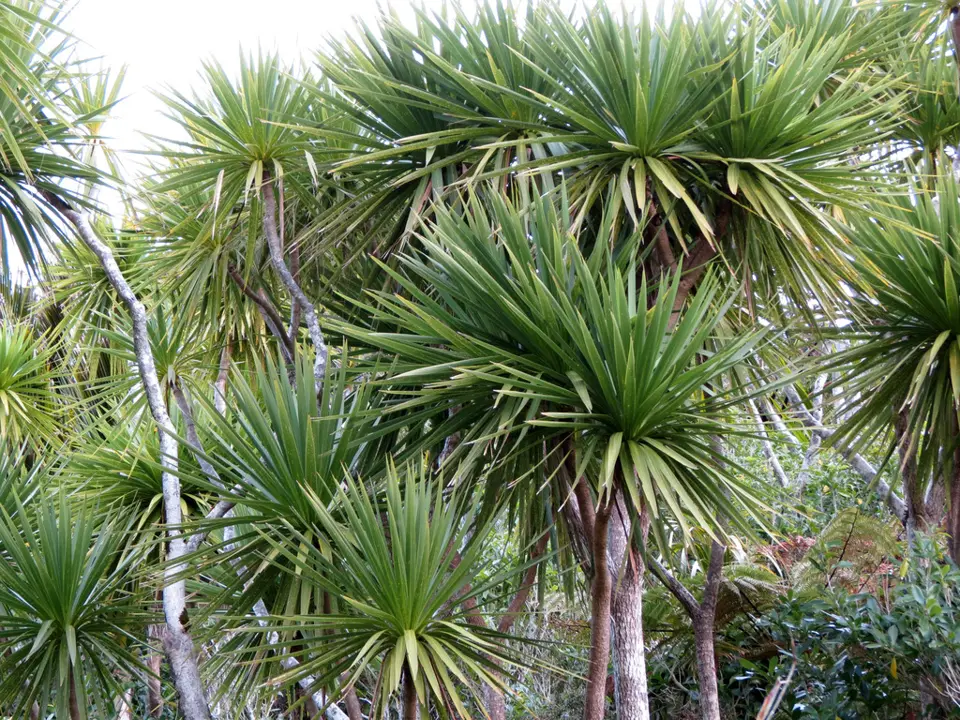
Is New Zealand cabbage tree toxic to cats and dogs?
Yes. New Zealand cabbage tree (Cordyline australis) is toxic to cats and dogs, according to the ASPCA Animal Poison Control Center. Plant Smart rates its effects Moderate, level 2 of 4. Signs include vomiting, dullness or depression, loss of appetite, drooling and dilated pupils.
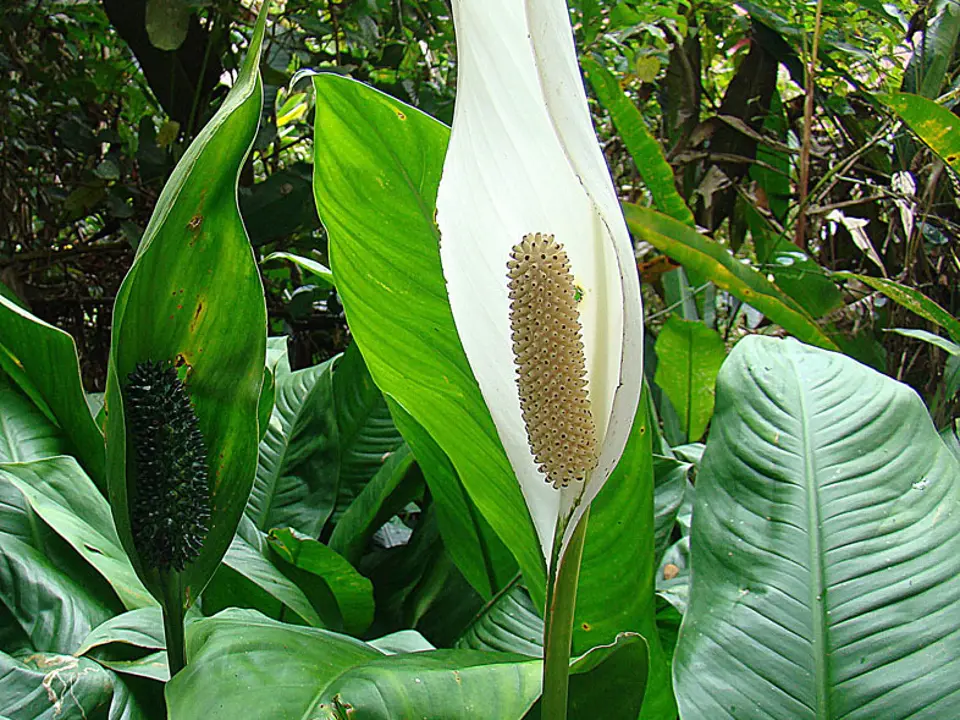
Is peace lily toxic to cats and dogs?
Yes. Peace lily (Spathiphyllum spp.) is toxic to cats and dogs, according to the ASPCA Animal Poison Control Center. Plant Smart rates its effects Mild, level 1 of 4. Signs include mouth irritation, drooling, vomiting and trouble swallowing. Read the full page on peace lily.


Are philodendrons toxic to cats and dogs?
Yes. Philodendrons (Philodendron spp.) are toxic to cats and dogs, according to the ASPCA Animal Poison Control Center. Plant Smart rates their effects Mild, level 1 of 4. Signs include mouth irritation, drooling, vomiting and trouble swallowing. Read the full page on philodendrons.


Is rubber plant toxic to cats and dogs?
Yes. Rubber plant (Ficus elastica) is toxic to cats and dogs, according to the ASPCA Animal Poison Control Center. Plant Smart rates its effects Severe, level 3 of 4. Signs include belly pain, drooling, skin irritation, trouble breathing and heart failure. Read the full page on rubber plant.
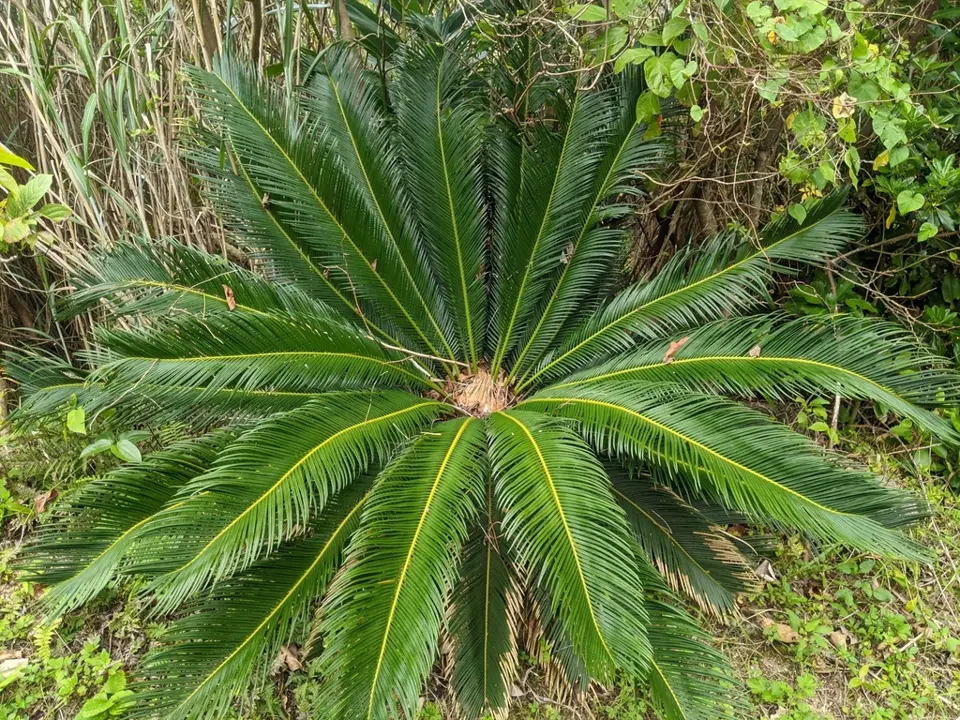
Is sago cycad toxic to cats and dogs?
Yes. Sago cycad (Cycas revoluta) is toxic to cats and dogs, according to the ASPCA Animal Poison Control Center. Plant Smart rates its effects Critical, level 4 of 4. Signs include vomiting, dark stools, jaundice (yellow gums or eyes), drinking more than usual, belly pain, bruising and liver failure. Eaten in quantity, it can be fatal. Read the full page on sago cycad.
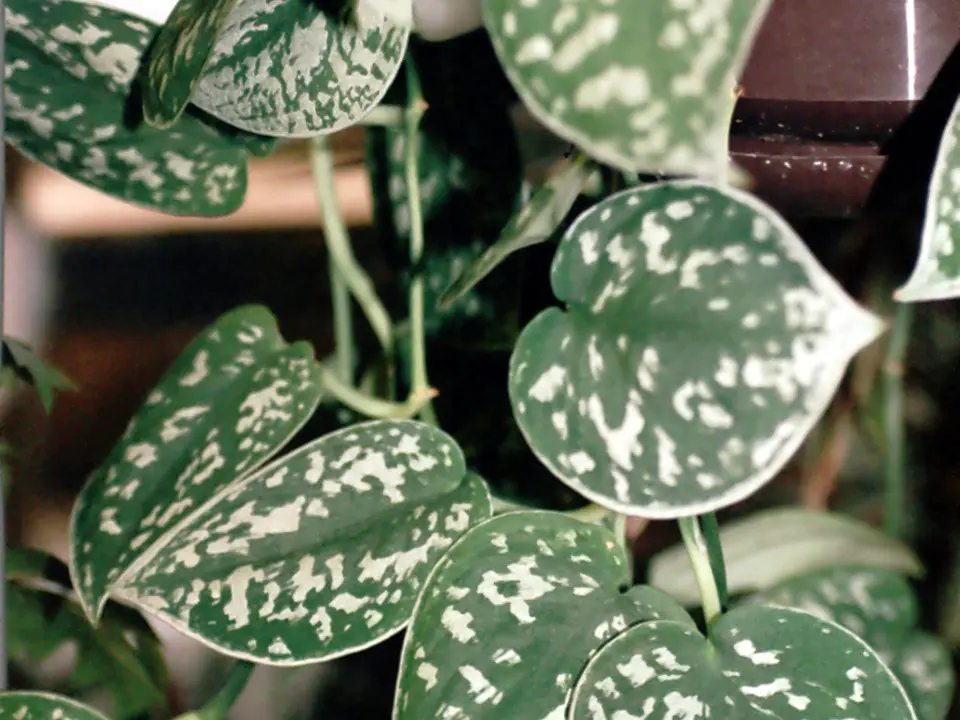

Are satin pothos toxic to cats and dogs?
Yes. Satin pothos (Scindapsus pictus) are toxic to cats and dogs, according to the ASPCA Animal Poison Control Center. Plant Smart rates their effects Mild, level 1 of 4. Signs include mouth irritation, drooling, vomiting and trouble swallowing.
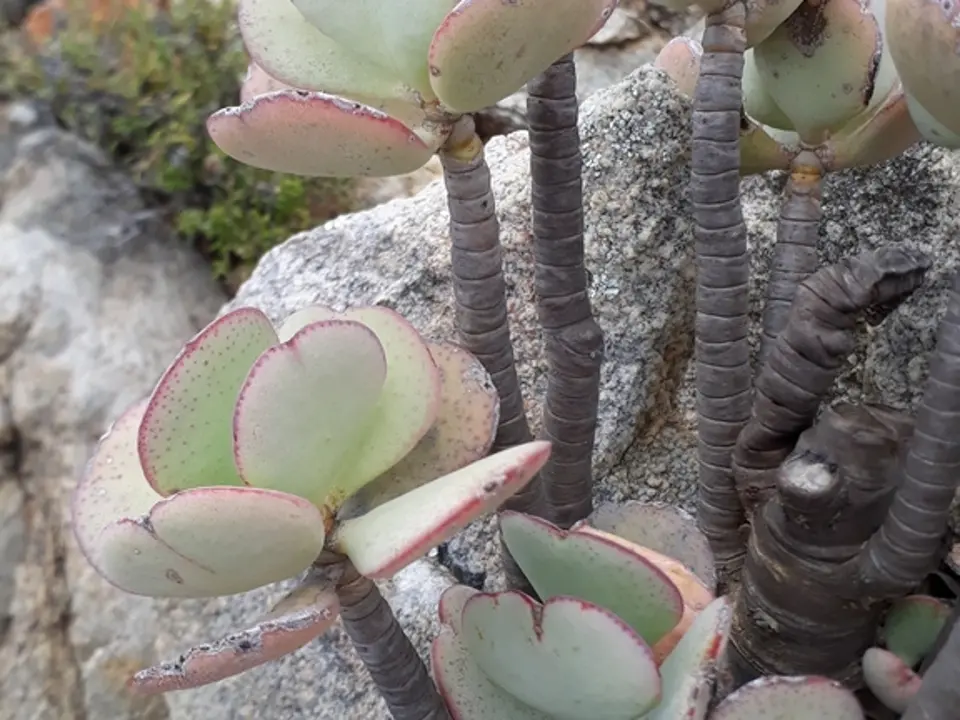
Is silver dollar plant toxic to cats and dogs?
Yes. Silver dollar plant (Crassula arborescens) is toxic to cats and dogs, according to the ASPCA Animal Poison Control Center. Plant Smart rates its effects Mild, level 1 of 4. Signs include nausea, dry heaving, vomiting and tremors. Also called bokkeveld tree crassula and bull tacky.
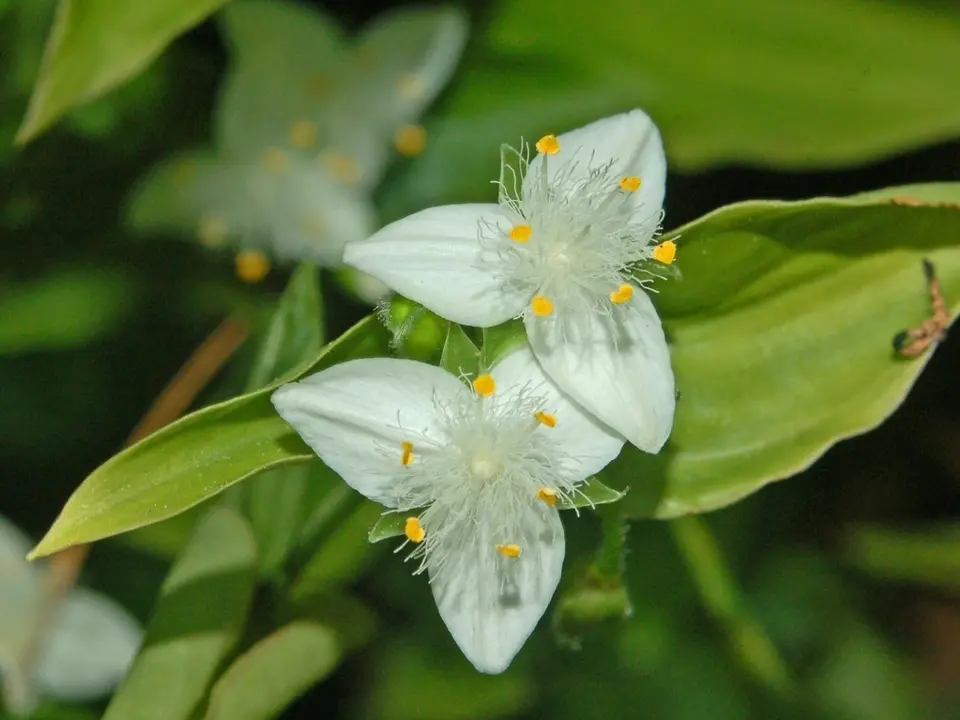
Is small-leaf spiderwort toxic to cats and dogs?
Yes. Small-leaf spiderwort (Tradescantia fluminensis) is toxic to cats and dogs, according to the ASPCA Animal Poison Control Center. Plant Smart rates its effects Mild, level 1 of 4. Signs include skin irritation.

.jpg)
Is snake plant toxic to cats and dogs?
Yes. Snake plant (Sansevieria trifasciata) is toxic to cats and dogs, according to the ASPCA Animal Poison Control Center. Plant Smart rates its effects Mild, level 1 of 4. Signs include nausea, vomiting and diarrhea. Read the full page on snake plant.
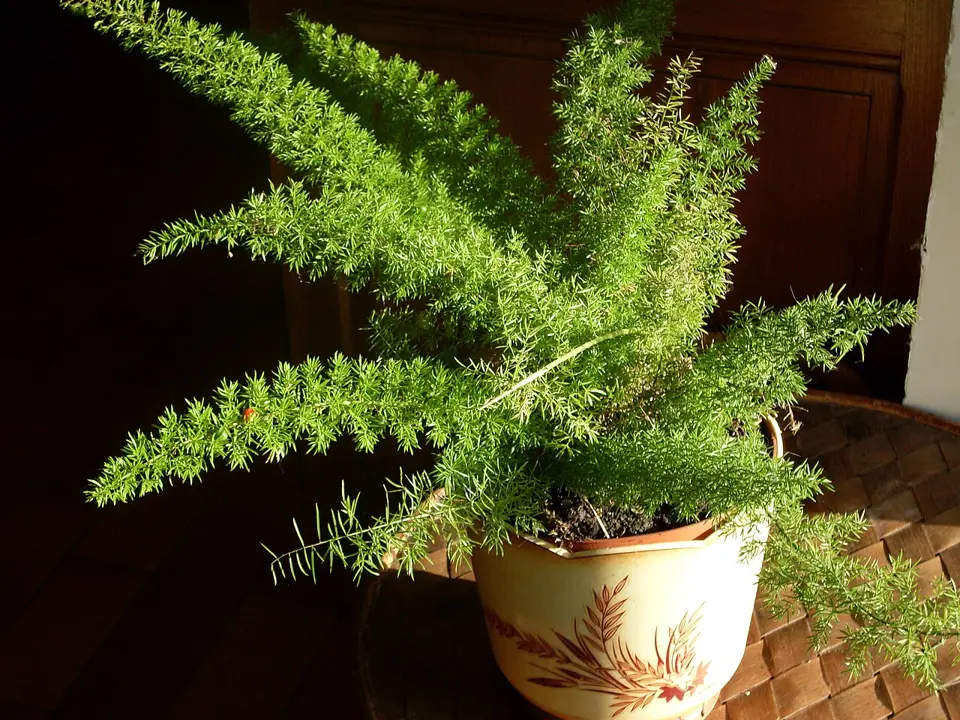

Is Sprenger's asparagus toxic to cats and dogs?
Yes. Sprenger's asparagus (Asparagus densiflorus) is toxic to cats and dogs, according to the ASPCA Animal Poison Control Center. Plant Smart rates its effects Moderate, level 2 of 4. Signs include skin irritation, vomiting, belly pain and diarrhea. Also called emerald feather.
.jpg)
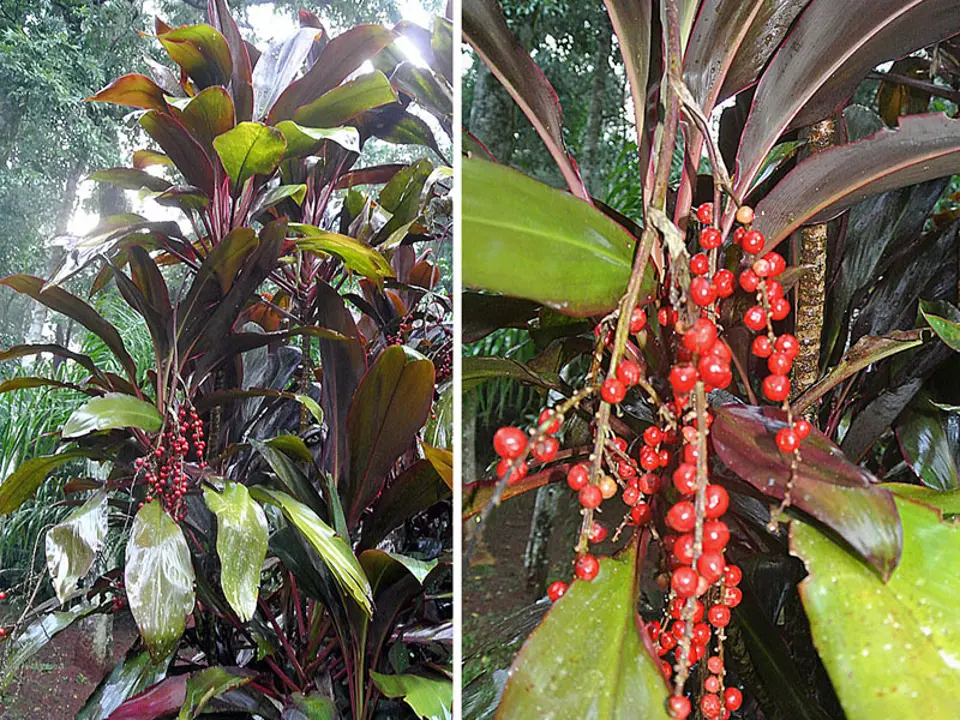
Is ti toxic to cats and dogs?
Yes. Ti (Cordyline terminalis) is toxic to cats and dogs, according to the ASPCA Animal Poison Control Center. Plant Smart rates its effects Moderate, level 2 of 4. Signs include vomiting, dullness or depression, loss of appetite, drooling and dilated pupils.
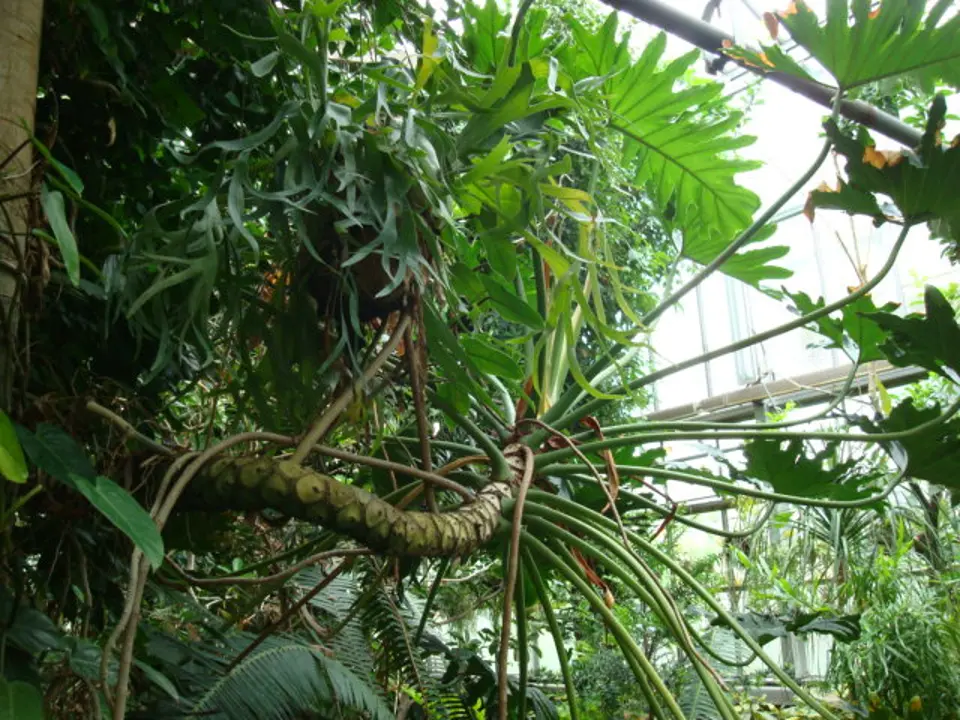

Is tree philodendron toxic to cats and dogs?
Yes. Tree philodendron (Philodendron bipinnatifidum) is toxic to cats and dogs, according to the ASPCA Animal Poison Control Center. Plant Smart rates its effects Mild, level 1 of 4. Signs include mouth irritation, drooling, vomiting and trouble swallowing.
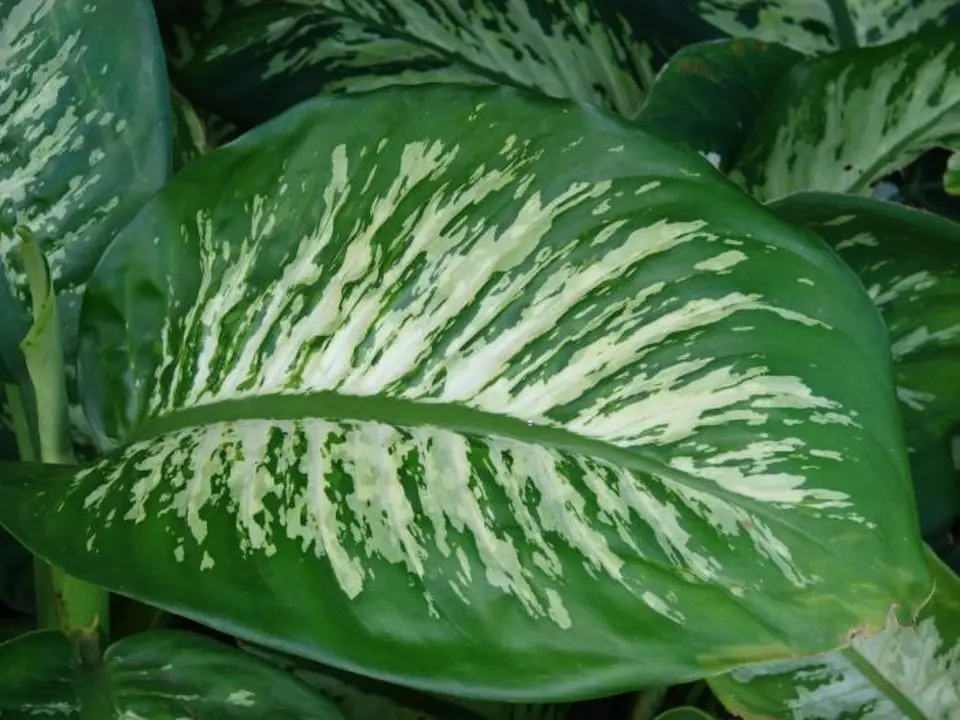
Is tuftroot toxic to cats and dogs?
Yes. Tuftroot (Dieffenbachia picta) is toxic to cats and dogs, according to the ASPCA Animal Poison Control Center. Plant Smart rates its effects Mild, level 1 of 4. Signs include mouth irritation, drooling, vomiting and trouble swallowing.

Are umbrella trees toxic to cats and dogs?
Yes. Umbrella trees (Schefflera spp.) are toxic to cats and dogs, according to the ASPCA Animal Poison Control Center. Plant Smart rates their effects Mild, level 1 of 4. Signs include vomiting, diarrhea, mouth irritation, drooling and trouble swallowing.
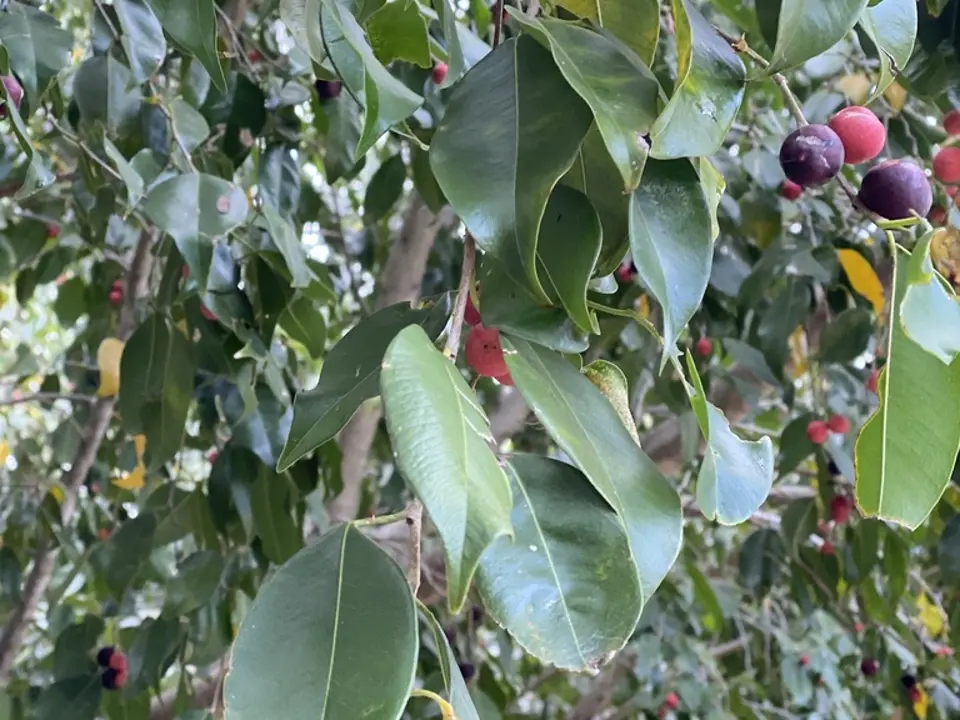
Is weeping fig toxic to cats and dogs?
Yes. Weeping fig (Ficus benjamina) is toxic to cats and dogs, according to the ASPCA Animal Poison Control Center. Plant Smart rates its effects Moderate, level 2 of 4. Signs include skin irritation, vomiting, diarrhea and belly pain.
§ 040 · Questions
Questions about houseplants toxic to cats and dogs
Which of these are the most dangerous?
Plant Smart rates Cardboard cycad, Chinese banyan, Fiddle-leaf fig and Sago cycad Critical, the highest of its four levels.
What should I do if my pet ate one?
Call your vet or a pet poison hotline right away, even before signs appear: the ASPCA Animal Poison Control Center at (888) 426-4435, or Pet Poison Helpline at (855) 764-7661. Both charge a fee. Have the plant, or a photo of it, to hand.
Where does this list come from?
From the ASPCA Animal Poison Control Center's plant list, by way of Plant Smart, which adds a four-level severity rating.
Is a plant missing from this list safe?
Not necessarily. A plant can be missing because nobody has reported a case. Call your vet if your pet eats any plant and seems unwell.