


010.1Identify
Add a plant
Snap a photo or type the name. The app pulls 4,000+ species from peer-reviewed horticulture data and starts a care plan tailored to your zone, the local weather, and the time of year.

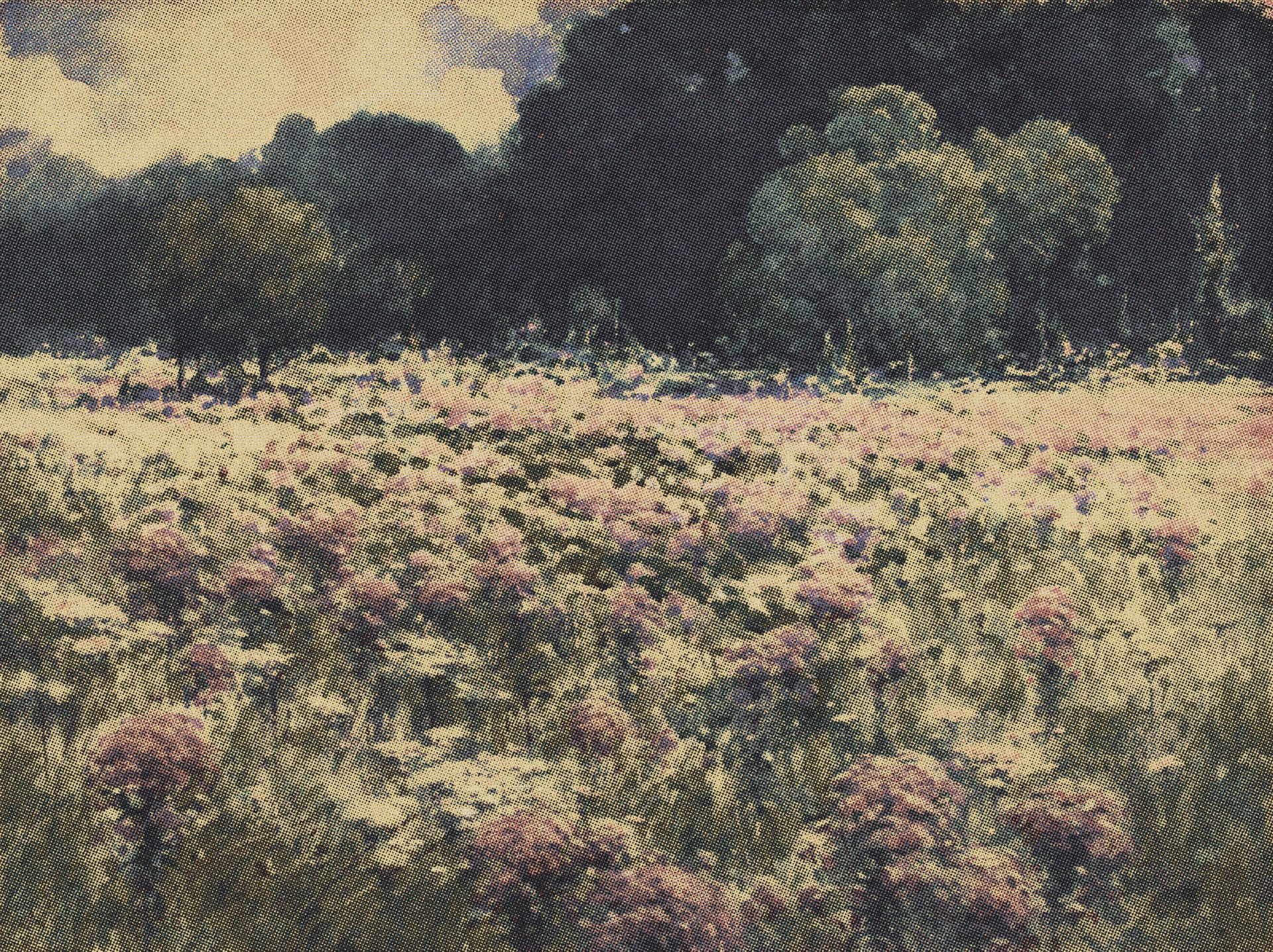
Stop guessing if your plants are actually native and search them by their common or scientific name below. Ezina checks each against USDA county records for where you are, and against the state and national invasive registers. Every answer links to the source it came from.
We’re regularly adding to this tool — if something is missing or incorrect, please let us know at [email protected].
Want to search by state instead? Click here.
Common names and scientific names work best, some cultivar names may cause issues. Separate several with commas. Try: burning bush, callery pear, autumn olive, red maple.

Choose a new image
PlantNet identification · a daily limit applies · nothing is stored
Where this comes from
Browse the state lists
Every plant a state regulates, with the rule cited, including the eight states we have no list for. Nativity is still a county-level question, so use the checker above for a specific address.
Nativity is local. A plant can be native in one county, introduced in the next, and a regulated noxious weed two states over, so a nursery tag will not answer the question for your address.
Enter the plant's common or scientific name and your county. Ezina checks it against USDA PLANTS county distribution records and tells you whether it is recorded as native, introduced, or not present in that county, with a link to the USDA source.
Ezina reports two separate findings. The legal one is your state’s invasive or noxious-weed list, cited to the specific statute or administrative code, covering 43 states; where a state publishes no list Ezina holds, the answer says so instead of reporting silence as “not listed.” The ecological one is GRIIS, the Global Register of Introduced and Invasive Species. The two disagree often, and most plants GRIIS calls invasive are regulated by no state at all.
When a plant is regulated where you are, Ezina suggests native alternatives that USDA records in your county, matched to the invasive plant's landscape role.
Every plant app stops at your windowsill. Ezina doesn’t.
Grow natives easily with Ezina
A field manual is only useful if you can find what you need. Here is the method.
Snap a photo or type the name. The app pulls 4,000+ species from peer-reviewed horticulture data and starts a care plan tailored to your zone, the local weather, and the time of year.

A schedule built from local rain, temperature, and sun—not a fixed weekly cadence. You get a single notification when a plant actually needs water. No streaks. No daily check-ins.

Our garden planner Dig helps you understand what works best for your location and makes suggestions based off your long term goals.
Snap a photo or type the name. The app pulls 4,000+ species from peer-reviewed horticulture data and starts a care plan tailored to your zone, the local weather, and the time of year.
A schedule built from local rain, temperature, and sun—not a fixed weekly cadence. You get a single notification when a plant actually needs water. No streaks. No daily check-ins.
Our garden planner Dig helps you understand what works best for your location and makes suggestions based off your long term goals.
Compiled from peer-reviewed research, USDA documentation,
and direct scientific observation across the 48 contiguous states.
Thank you for signing up!
Confirmation is heading to your inbox now. If you don’t receive it in the next 15 minutes contact us at [email protected]